
Chardonnay Uncorked: A Simple Guide to the World of Wine
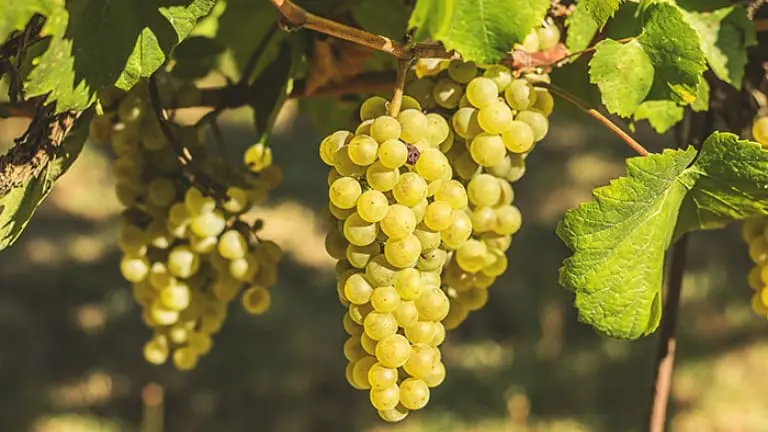
Chardonnay is everywhere, and that is precisely why it is so often misunderstood. There is no single Chardonnay flavour, no universal recipe and certainly no obligation for the wine to taste of butter and vanilla. The grape can be lean, salty and citrus-driven in Chablis, broad and nutty in Meursault, taut and floral in Puligny-Montrachet, ripe and generous in California or remarkably tense in the coolest parts of Australia.
Its genius is adaptability. Chardonnay is not as aromatically forceful as Sauvignon Blanc, Riesling or Viognier, so climate, soil and cellar decisions remain unusually visible in the finished wine. Oak, lees, malolactic fermentation, picking date and vineyard exposure can alter its personality dramatically without making it unrecognisable.
That versatility explains why Chardonnay can produce €12 everyday wine, Blanc de Blancs Champagne and some of the most expensive dry whites in existence.
The Basics
- Grape: Chardonnay
- Colour: White
- Country of origin: France
- Historic home: Burgundy
- Genetic parents: Pinot × Gouais Blanc
- Key French regions: Chablis, Côte de Beaune, Mâconnais, Champagne
- Important international regions: California, Oregon, Australia, New Zealand, South Africa, Chile, Italy
- Body: Light-medium to full
- Acidity: Medium to high
- Typical alcohol: 12–15% ABV
- Main fruit profile: Lemon, apple, pear, peach, pineapple
- Common ageing notes: Hazelnut, beeswax, toast, dried citrus
- Oak-derived aromas: Vanilla, clove, smoke, toast
- Typical serving temperature: 9–13°C depending on style
- Ageing potential: 2–5 years for simple wines; 10–20 years or considerably longer for great Burgundy and top cool-climate examples
- Typical price: Around €10–€25 for good everyday bottles; €25–€60 for serious regional wines; top Burgundy can cost hundreds or thousands of euros
Where Does Chardonnay Come From?

Chardonnay is fundamentally Burgundian. Genetic research has established that it is the offspring of Pinot and Gouais Blanc, an old crossing that also produced several other important French varieties. There is even a village called Chardonnay in the Mâconnais, although the grape’s naming history is less straightforward than the coincidence might suggest.
Burgundy remains the best place to understand why Chardonnay became so important. Move from northern Chablis through the Côte de Beaune and into the warmer Mâconnais and the grape changes continuously. It can remain citrusy and severe, become broader and more nutty, or shift towards peach and ripe orchard fruit without losing the structural identity that makes Chardonnay so adaptable.
The grape eventually travelled almost everywhere because it ripens reliably, responds well to different soils and handles a wide range of cellar techniques. That international success produced oceans of mediocre Chardonnay, but it also revealed how convincingly the variety can express very different climates.
What Does Chardonnay Taste Like?
Climate matters immediately. In cooler areas, Chardonnay tends towards lemon, green apple, pear and fresh citrus, often with a sharper, more linear palate. Moderate climates move towards yellow apple, peach and lemon curd, while warmer regions can produce pineapple, ripe peach and tropical fruit.
That is only the first layer. Chardonnay is unusually sensitive to what happens after harvest. Barrel fermentation can introduce toast, vanilla and smoke. Lees ageing broadens texture and may add bread, biscuit and nutty notes. Malolactic fermentation reduces sharper acidity and can introduce creamier, buttery aromas.
This is why two bottles labelled Chardonnay can seem almost unrelated. One may taste like lemon peel and crushed stone; another like ripe peach, hazelnut and toast. The difference is not inconsistency. It is the grape’s extraordinary flexibility.
Chablis: The Leanest Face of Chardonnay
Chablis sits well north of the Côte de Beaune and gives Chardonnay one of its most recognisable identities. The climate is cool, acidity remains pronounced and the wines often revolve around lemon, green apple, chalky sensations and a dry saline finish.
The famous Kimmeridgian soils consist of limestone and marl formed in an ancient marine environment and contain tiny fossilised oyster shells. Chablis, Premier Cru and Grand Cru vineyards are strongly associated with these formations, while Petit Chablis more frequently occupies younger Portlandian limestone.
The wines are regularly described as mineral, although that word should not be treated as a literal transfer of stone into wine. What matters in the glass is the combination of high acidity, restrained fruit, salinity and a dry stony impression.
Chablis is also the easiest way to destroy the myth that Chardonnay must be buttery. Many wines see little or no new oak, and even producers who use barrels generally avoid allowing wood to dominate.
Meursault, Puligny and Chassagne: Three Faces of the Côte de Beaune

The Côte de Beaune is where Chardonnay becomes more complex, more expensive and far harder to summarise.
Meursault is commonly associated with breadth and texture. Good examples can show yellow apple, citrus, hazelnut, almond and subtle toast, but modern Meursault is not automatically fat or buttery. The best wines have enough acidity and mineral tension to hold all that concentration together.
Puligny-Montrachet often feels more linear and precise. Lemon, white flowers, pear, chalk and restrained hazelnut are common, while the palate generally appears firmer and more architectural. Some of the greatest Chardonnay vineyards in the world lie here or touch its borders.
Chassagne-Montrachet can be broader and more powerful, often combining ripe orchard fruit with smoke, nuts and considerable structure.
The old shorthand—Meursault for texture, Puligny for tension, Chassagne for power—is useful as an introduction, but vineyard and producer ultimately matter more than the village stereotype.
Montrachet: Chardonnay at the Limit
Montrachet is where Chardonnay enters the world of icon wines. The Grand Cru lies between Puligny-Montrachet and Chassagne-Montrachet and produces tiny quantities of extraordinarily concentrated white Burgundy.
Great Montrachet is not impressive because it is heavy. Its power comes from density without loss of balance. Citrus, ripe peach, flowers, smoke, hazelnut and spice can unfold over hours, while acidity holds the wine together for decades.
Prices are now extreme. The combination of tiny production, global demand and collector pressure means that bottles from the most prestigious domaines often cost well into four figures. At that point, the market value has as much to do with rarity and reputation as with what is physically inside the glass.
The Mâconnais: Where Burgundy Still Makes Financial Sense
The southern Mâconnais is one of the most useful places to look for Chardonnay if the Côte de Beaune has become absurdly expensive.
Mâcon-Villages, Saint-Véran, Viré-Clessé and Pouilly-Fuissé generally produce riper, more open wines than Chablis, with peach, pear, yellow apple and citrus replacing some of the northern austerity.
Pouilly-Fuissé sits at the more ambitious end and now includes Premier Cru vineyards. The best bottles can show real depth and ageing potential without approaching the pricing insanity of Puligny or Meursault.
For drinkers rather than collectors, this is increasingly important territory.
Chardonnay in Champagne
Chardonnay also plays a completely different role in Champagne. A Blanc de Blancs is made exclusively from white grapes, most commonly Chardonnay, although a handful of other authorised white varieties technically exist within the appellation.
The great Chardonnay villages of the Côte des Blancs—Avize, Cramant, Oger and Le Mesnil-sur-Oger among them—produce wines driven by citrus, white flowers, chalky sensations and high acidity. With bottle age, the profile becomes creamier and develops hazelnut, almond, honey, brioche and wax.
This is Chardonnay stripped of still-wine weight and rebuilt around acidity, bubbles and long lees ageing. It also proves how meaningless it is to talk about one universal Chardonnay style.
Why Does Chardonnay Taste Buttery?

The butter usually comes from malolactic fermentation, not directly from oak.
During this process, sharper malic acid is converted into softer lactic acid. One of the compounds that can form is diacetyl, which produces the familiar buttery aroma. Winemakers can encourage, partially allow or block malolactic fermentation depending on the style they want.
Oak plays a different role. Barrels can add vanilla, clove, toast and smoke while gradually introducing oxygen and changing texture. Lees ageing contributes another dimension, making the wine broader and sometimes adding bread, biscuit or nutty notes.
When all three techniques—oak, full malolactic fermentation and extensive lees work—are pushed hard, Chardonnay can become enormously rich. Sometimes that is magnificent. Sometimes it tastes like buttered popcorn with a wine label.
Balance is everything.
Unoaked Chardonnay
Unoaked Chardonnay is not Chardonnay with something missing.
Without obvious barrel influence, the grape’s fruit and acidity become easier to read. Lemon, apple, pear and citrus peel move forward, while texture tends to remain straighter and fresher.
Chablis provides the obvious reference, but good unoaked Chardonnay is made worldwide. In warm climates, avoiding oak can be especially useful because ripe fruit already brings plenty of volume.
The best versions are clean and precise rather than neutral.
California Chardonnay
California played a huge role in turning Chardonnay into a global phenomenon, and for years it also created the style many drinkers eventually rebelled against: ripe fruit, high alcohol, generous new oak and prominent buttery malolactic character.
That picture is now badly outdated.
Napa can still produce broad Chardonnay with yellow peach, pineapple and substantial texture, but cooler areas such as Sonoma Coast and Santa Barbara County deliver far more citrus, acidity and restraint thanks to Pacific influence. Many serious producers now harvest earlier, use less new oak and preserve more acidity than they did twenty years ago.
Modern California Chardonnay can range from lavish to genuinely severe. Buying only by grape name tells you almost nothing.
Australia: One of Chardonnay’s Best Reinventions
Few countries have changed their Chardonnay style as dramatically as Australia.
Older examples could be tropical, heavily oaked and almost aggressively rich. Modern wines from Yarra Valley, Margaret River, Adelaide Hills and Tasmania are often among the most precise Chardonnays outside France.
Producers harvest earlier, use less new oak and increasingly prioritise acidity and vineyard character. Yarra Valley and Tasmania can produce particularly fine, citrus-driven wines, while Margaret River generally combines more weight with grapefruit, stone fruit and sophisticated oak.
Australia is now one of the first places I would look for serious Chardonnay when Burgundy prices become irrational.
New Zealand
New Zealand Chardonnay has always lived in the shadow of Sauvignon Blanc, which is unfortunate because the best bottles are far more interesting than the country’s international reputation suggests.
Auckland, Hawke’s Bay, Nelson and parts of Marlborough can produce excellent Chardonnay, often combining citrus and white peach with subtle oak and significant acidity.
Kumeu River remains one of the benchmarks. Its single-vineyard wines show how convincing New Zealand Chardonnay can become when ripeness is controlled and oak is treated as structure rather than flavouring.
South Africa
South Africa has become another superb hunting ground, particularly in Hemel-en-Aarde, Elgin and cooler parts of Stellenbosch.
Ocean influence and altitude can preserve freshness despite intense sunlight. The best wines show lemon, pear, white peach, smoke and a saline edge, often with oak handled more discreetly than in older international styles.
The combination of quality and price can be excellent. For anyone tired of paying Burgundy premiums, South African Chardonnay deserves serious attention.
Chardonnay in Italy
Italy grows Chardonnay almost everywhere, but the most convincing examples tend to come from regions where climate gives the grape enough tension.
Alto Adige and Trentino can produce precise mountain Chardonnay with citrus and orchard fruit. Friuli-Venezia Giulia often gives broader, more textural examples. Chardonnay is also fundamental to Franciacorta, where it plays a major role in traditional-method sparkling wine.
Tuscany, Piedmont and Sicily produce plenty as well, although warmer areas require careful picking. Once Chardonnay becomes overripe, adding oak rarely fixes the problem.
Chardonnay vs Sauvignon Blanc
Sauvignon Blanc has a stronger varietal signature: grapefruit, herbs, gooseberry, passion fruit and occasionally pyrazine-driven green notes are usually obvious.
Chardonnay is quieter aromatically, but that gives terroir and winemaking more room to speak. Oak, lees and malolactic fermentation can transform it more dramatically without destroying its identity.
Sauvignon Blanc tells you what grape you are drinking.
Great Chardonnay often tells you where it grew.
Chardonnay vs Viognier
Viognier is naturally more aromatic, with apricot, peach and honeysuckle, and it generally carries less acidity.
Chardonnay tends towards apple, citrus and subtler stone fruit, especially in cooler sites. It can also handle much longer ageing when acidity and concentration are sufficient.
Viognier leads with perfume. Chardonnay relies more on structure and transformation.
Can Chardonnay Age?
Yes, but the range is enormous.
Simple Chardonnay is usually best within two to four years, while serious regional wines may develop comfortably for five to eight. Top Chablis, Côte de Beaune, Champagne and selected New World examples can evolve for 10–20 years or considerably longer.
With age, fresh citrus and orchard fruit gradually move towards hazelnut, beeswax, dried lemon, toast and honey. The best wines gain complexity without losing freshness; weaker ones simply become broad and oxidised.
Provenance matters enormously when buying mature Chardonnay, particularly expensive white Burgundy.
Food Pairings
Match the dish to the style.
Lean Chablis works beautifully with oysters, scallops, grilled sole and shellfish. Richer barrel-aged Chardonnay suits lobster, turbot, roast chicken, mushroom risotto and pork loin. Mature or more structured Burgundy can handle dishes with butter, cream and earthy mushrooms without being overwhelmed.
For cheese, Comté, Gruyère and Brillat-Savarin are reliable choices.
Serving Chardonnay
Serve lean styles around 9–11°C and richer, barrel-aged wines closer to 11–13°C. Great Burgundy should never be served refrigerator-cold; excessive chilling erases aroma and hardens texture.
A medium-to-large white-wine glass is ideal. Most Chardonnay does not need decanting, although very young, reductive or concentrated wines can benefit from twenty or thirty minutes of air.
How Much Does Chardonnay Cost?
Chardonnay exists at almost every price point. Good everyday bottles start around €10–€15, while €15–€25 buys increasingly serious regional wines from France, Italy, Australia, South Africa and New Zealand.
Between €25 and €60, the category becomes much more interesting: better vineyards, more restrained oak, greater concentration and stronger regional character. Serious Chablis, Australian single-vineyard Chardonnay and top South African examples often sit here.
Burgundy then becomes a separate market. Current Puligny-Montrachet Premier Cru from leading domaines can easily move beyond €300–€500, while the most coveted Grand Crus enter four-figure territory.
The smartest buys are rarely the famous labels. Look at the Mâconnais, less fashionable Burgundy villages, South Africa, Australia and New Zealand if the objective is drinking rather than collecting.
Chardonnay Producers to Know
Domaine Leflaive
One of the defining names of Puligny-Montrachet. The wines combine concentration, floral detail, citrus, controlled oak and remarkable tension. Prices are now firmly in collector territory, but the domaine remains an essential reference for the appellation.
Domaine Roulot
Jean-Marc Roulot helped redefine modern Meursault by proving that the village does not need to taste fat or heavily buttery. His wines are precise, citrus-driven and textural, with restrained oak and extraordinary ageing potential.
Domaine Raveneau
One of Chablis’ cult estates. Raveneau famously uses barrels, yet the wines remain unmistakably Chablis: saline, citrus-driven, mineral and capable of long development. It is also a useful reminder that oak and terroir are not natural enemies.
Kumeu River
A benchmark for New Zealand Chardonnay. The single-vineyard wines combine citrus, white peach and subtle oak with enough acidity to challenge the lazy idea that serious Chardonnay belongs exclusively to Burgundy.
Leeuwin Estate
The Art Series Chardonnay remains one of Margaret River’s reference wines. It combines ripe fruit with grapefruit-like freshness, controlled oak and the structure to age.
Giaconda
One of Australia’s cult Chardonnay producers, based in Beechworth. The wines are concentrated and smoky but retain enough acidity to avoid heaviness.
Hamilton Russell Vineyards
A key South African reference from Hemel-en-Aarde. The style is restrained, saline and cool-climate in feel, with citrus, pear and carefully integrated oak.
The Real Problem with Chardonnay
For years, the “ABC” slogan—Anything But Chardonnay—summed up a backlash against heavily oaked, buttery whites.
The frustration was understandable. The diagnosis was wrong.
Chardonnay was never the problem. The problem was Chardonnay made to a formula: overripe fruit, aggressive new oak, complete malolactic fermentation and too little acidity.
Put a good Chablis beside a Meursault, then add a cool-climate Australian Chardonnay and a Blanc de Blancs Champagne. The differences are so dramatic that judging the grape as one single style becomes almost meaningless.
That is why Chardonnay remains compelling. It can be manipulated more than almost any other noble white grape, yet the greatest wines do not taste manipulated at all.
Final Thoughts
Chardonnay’s strength is not that it has one unforgettable aroma. It is that it can absorb place, climate and technique without becoming anonymous.
In Chablis it becomes sharp and saline. In Puligny, taut and floral. In Meursault, broader and more textural. In Champagne, acidity and chalk take over. California pushes the fruit forward, Australia has rediscovered tension, and South Africa increasingly offers some of the best value in serious Chardonnay.
The grape has suffered from its own success. It has been planted too widely, oaked too aggressively and marketed too lazily.
None of that changes what happens when vineyard, climate and cellar are in balance.
At that point, Chardonnay is still one of the greatest white grapes on earth.

