
Vernaccia Di San Gimignano Wine Guide
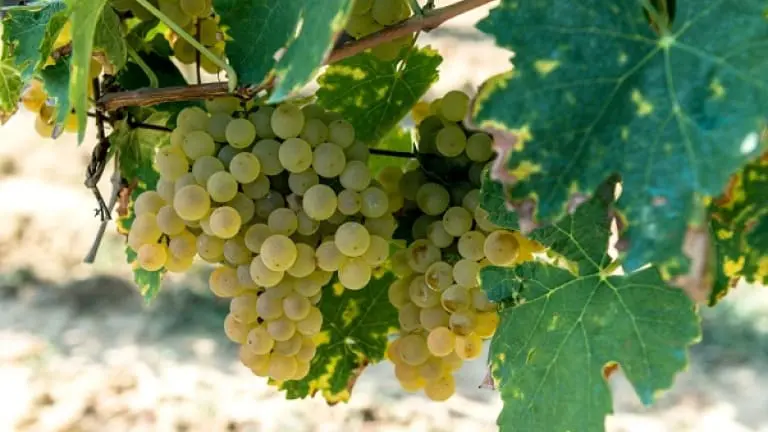
Vernaccia di San Gimignano Wine Guide: Tuscany’s Historic White with Salt, Almond and Serious Ageing Potential
SEO Title: Vernaccia di San Gimignano Guide: Taste, Riserva, Pairings and Producers
Meta Description: Vernaccia di San Gimignano turns Tuscan sandstone and marine clay into citrus, flowers, almond, salt and remarkably age-worthy white wine.
Focus Keyword: Vernaccia di San Gimignano
Tuscany built its international reputation on red wine, which makes Vernaccia di San Gimignano something of a historical rebel. While Sangiovese dominates the conversation from Chianti Classico to Montalcino, the hills surrounding San Gimignano have been producing a distinctive dry white wine for centuries.
And Vernaccia does not behave like the easy, aromatic whites often associated with central Italy.
Young bottles can be floral and citrus-driven, with apple, pear and white peach, but the defining characteristics emerge underneath the fruit: salt, herbs, almond skin and a slightly bitter finish. With age, the wine becomes considerably more interesting, developing saffron, dried flowers, honey, nuts, flint and sometimes an almost waxy depth.
That ability to mature is central to understanding the appellation. Vernaccia di San Gimignano is one of the relatively few Italian white DOCGs with a formal Riserva category, and good bottles can improve for a decade or longer.
The landscape helps explain why. San Gimignano’s vineyards grow on ancient marine deposits rich in sand and clay, often containing calcareous material. The same hills that make the medieval skyline spectacular also provide drainage, exposure and a complex collection of mesoclimates.
This is not simply “the white wine of Tuscany.”
At its best, Vernaccia di San Gimignano is one of Italy’s genuinely distinctive terroir-driven whites.
The Basics
- Wine: Vernaccia di San Gimignano DOCG
- Region: Tuscany
- Province: Siena
- Production area: Municipality of San Gimignano
- Grape: Minimum 85% Vernaccia di San Gimignano
- Other permitted grapes: Up to 15% approved non-aromatic white varieties
- Maximum Sauvignon and Riesling contribution: 10% combined
- Styles: Annata and Riserva
- DOC recognition: 1966
- DOCG recognition: 1993
- Vineyard surface: Approximately 750 hectares currently eligible for Vernaccia di San Gimignano DOCG
- Maximum vineyard yield: 9 tonnes per hectare
- Maximum wine yield: 70%
- Vineyard altitude permitted by the denomination: Up to 500 metres
- Climate: Temperate sub-Mediterranean
- Typical annual rainfall: Roughly 600–700 mm
- Body: Medium
- Acidity: Medium-high
- Typical aromas: Lemon, apple, pear, white flowers, herbs, almond, saffron
- Typical finish: Dry, savoury and slightly bitter
- Oak: Optional; more frequent in Riserva and ambitious single-vineyard wines
- Serving temperature: Around 10–12°C; 12–14°C for mature Riserva
- Ageing potential: 3–6 years for straightforward wines; 8–15 years or longer for serious Riserva
- Typical price: Around €10–€18 for good Annata; €18–€35 for serious Riserva and single-vineyard wines
Where Is Vernaccia di San Gimignano Made?

The geographical boundary is unusually precise.
Vernaccia di San Gimignano DOCG can be produced only from vineyards within the municipality of San Gimignano, in the province of Siena.
That restriction gives the denomination considerably more geographical coherence than many large Italian DOCs.
The medieval town sits in a completely hilly landscape between Florence and Siena. The wider municipality rises from around 64 metres to more than 600 metres above sea level, although vineyards registered for Vernaccia di San Gimignano must respect the altitude limits established by the production rules.
The terrain rolls constantly.
A vineyard facing east can behave very differently from one exposed southwest, while altitude changes ripening speed, temperature and ventilation. The denomination may be compact, but it is not homogeneous.
That variation is increasingly visible in the wines as producers move away from generic regional styles and pay greater attention to individual vineyards and exposures.
The Soils Were Once Under the Sea
One of Vernaccia di San Gimignano’s most important features lies beneath the vines.
Much of the territory sits on Pliocene marine deposits formed roughly 1.8 to 6.8 million years ago, when this part of Tuscany had a very different geological landscape.
The vineyards commonly contain yellow sands, locally described as tufo, together with yellow and grey clays. More compact clay can appear deeper underground, while calcareous formations occur in several areas.
Sand provides drainage.
Clay retains water.
The combination becomes particularly valuable during dry Tuscan summers because vines can send roots deeper while avoiding excessive waterlogging.
These soils are also frequently associated with one of Vernaccia’s most recognisable characteristics: a saline, savoury sensation that remains after the fruit has faded from the palate.
Calling every mineral-tasting white wine “salty” has become a wine-writing cliché.
Here the word actually earns its place.
A White Wine with Medieval Fame
Vernaccia di San Gimignano was famous long before Tuscany had DOCs, Super Tuscans or international wine critics.
Documents from 1276 already record taxation on Vernaccia leaving the municipality of San Gimignano, indicating that the wine had acquired enough commercial importance to generate municipal revenue.
By the fourteenth and fifteenth centuries, it had become a prestigious wine.
It appeared at aristocratic tables and was traded beyond San Gimignano. In 1477, growing demand was important enough for the local government to appoint official tasters charged with identifying well-made Vernaccia.
The wine also entered Italian literature.
In Dante’s Purgatorio, Canto XXIV, Pope Martin IV is punished for gluttony, with his appetite for eels from Bolsena and Vernaccia immortalised in verse.
Centuries before modern wine marketing existed, Vernaccia had already achieved the most valuable thing a wine can possess:
a name people recognised.
Vernaccia in the Renaissance
Its reputation survived into Renaissance culture.
Vernaccia was served at important Florentine celebrations, including the fifteenth-century marriage of Bernardo Rucellai and Nannina de’ Medici, sister of Lorenzo the Magnificent.
In 1565, Giorgio Vasari incorporated Vernaccia into the decoration of Florence’s Palazzo Vecchio, where the allegorical representation connected with San Gimignano includes a figure drinking the local wine.
Michelangelo Buonarroti the Younger later described Vernaccia with a wonderfully physical sequence of verbs: a wine that could kiss, lick, bite and sting.
The vocabulary may be seventeenth-century, but the idea is surprisingly accurate.
Good Vernaccia still begins gently and finishes with bite.
Then Vernaccia Almost Disappeared
Historical prestige did not guarantee continuous success.
By the nineteenth century, Vernaccia had lost much of its former importance. Mixed vineyards became widespread, and the grape was increasingly used as one component in ordinary local wines rather than being treated as a distinct fine-wine variety.
In 1815, Tuscan agronomist Ignazio Malenotti complained that pure Vernaccia vineyards had become difficult to find around San Gimignano and encouraged growers to recover the old tradition.
The true revival came much later.
After the Second World War, local producers began rebuilding the grape’s identity and pursuing formal recognition.
The result was historic.
Italy’s First DOC Wine
In 1966, Vernaccia di San Gimignano became the first Italian wine to receive Denominazione di Origine Controllata recognition under the new national appellation system.
The symbolic importance was enormous.
Italy was beginning to construct the regulatory framework that would eventually define Chianti Classico, Barolo, Brunello di Montalcino and hundreds of other denominated wines, and an ancient Tuscan white was at the front of the queue.
The local consortium was established in 1972.
In 1993, Vernaccia di San Gimignano was elevated to DOCG, placing it within Italy’s highest formal denomination category.
The modern rules were substantially revised in 2010 and have continued to evolve, with the current consolidated production specification updated again in 2024.
Is Vernaccia di San Gimignano a Grape or a Wine?
Both.
Vernaccia di San Gimignano is the name of the local grape variety and of the DOCG wine produced from it.
The distinction becomes important because the word Vernaccia appears elsewhere in Italy.
Vernaccia di Oristano in Sardinia, for example, is a completely different grape and produces a radically different wine.
There is no single “Vernaccia family” whose members all behave alike simply because they share the name.
In San Gimignano, the variety has developed a particularly strong relationship with the local soils and climate, and attempts to reproduce the same identity elsewhere have never achieved comparable importance.
This is one of those varieties whose history makes far more sense when treated as a grape tied to one very specific place.
What Is Vernaccia di San Gimignano Made From?
The DOCG requires at least 85% Vernaccia di San Gimignano.
Producers may use up to 15% other non-aromatic white varieties authorised in Tuscany.
The regulations deliberately exclude several strongly aromatic grapes because excessive perfume would obscure Vernaccia’s own character. Muscat, Traminer and several Malvasia types are among those prohibited.
Sauvignon and Riesling may be used, but together they cannot exceed 10%.
Many of the most interesting producers use 100% Vernaccia.
That is not automatically a guarantee of quality, but it allows the variety’s bitter almond, saline and herbal personality to emerge with greater clarity.
What Does Vernaccia di San Gimignano Taste Like?
Young Vernaccia is usually restrained rather than explosive.
Typical aromas include lemon, green apple, pear, white peach and white flowers, sometimes with fennel, herbs and a subtle chalky impression.
The palate is generally dry and medium-bodied.
Acidity gives freshness, but the grape’s personality is not built around razor-sharp acidity in the way Riesling can be. Instead, the most distinctive feature is often the combination of savoury flavour, mineral tension and bitter almond on the finish.
That bitterness is important.
It prevents the wine from becoming bland and gives Vernaccia a gastronomic personality that many neutral Italian whites lack.
With greater ripeness or lees ageing, flavours can broaden towards yellow apple, chamomile, saffron and honey.
With age, the wine changes again.
Why the Almond Finish Matters
Almond appears repeatedly when describing Vernaccia because it is one of the grape’s most consistent signatures.
Not sweet marzipan.
Think almond skin or freshly cracked bitter almond.
It usually emerges on the finish after citrus and orchard fruit, often alongside a saline sensation.
This slightly phenolic bitterness is precisely why Vernaccia works so well with food. It can stand up to olive oil, herbs, grilled fish and vegetables without needing huge alcohol or oak.
A Vernaccia without any savoury or bitter edge can still be pleasant.
But it usually feels less recognisable.
Annata: The Freshest Expression
Standard Vernaccia di San Gimignano is often fermented and matured primarily in stainless steel or other neutral vessels.
The objective is freshness.
Young wines tend to emphasise lemon, apple, pear, white flowers and herbs, with the classic almond note appearing towards the finish.
Good Annata should not feel watery.
Even straightforward examples usually have enough extract and savoury character to work at the table rather than simply as an aperitif.
These wines are generally at their best during the first three to five years after harvest, although strong producers frequently make bottles capable of developing longer.
Young Vernaccia is the version to drink with seafood, antipasti and everyday Tuscan cooking.
Riserva is where the grape becomes more ambitious.
Vernaccia di San Gimignano Riserva
The DOCG Riserva category is unusually significant for an Italian white wine.
The wine must undergo at least 11 months of ageing beginning on January 1 after the harvest, followed by a minimum of three months in bottle before release.
Producers are not required to use a specific maturation vessel.
That freedom matters.
Some choose stainless steel or concrete to preserve purity. Others use large oak, barriques or combinations of wood and neutral vessels. Lees ageing can also contribute texture and complexity.
As a result, “Riserva” does not describe one cellar recipe.
It signals ambition and time rather than a mandatory oak flavour.
What Does Riserva Taste Like?
Riserva usually begins with more concentration.
Fruit shifts from lemon and green apple towards yellow apple, citrus peel and ripe pear, while floral notes become more complex.
Then come the flavours that distinguish mature Vernaccia: saffron, honey, chalk, dried herbs, pepper, almond and flint.
Oak-aged examples may introduce vanilla, toast and hazelnut, but the best wines absorb these flavours rather than allowing wood to dominate.
Texture becomes broader and silkier.
The saline finish should remain.
That is the balance to look for: more body without losing the bitter, savoury tension that identifies Vernaccia.
Does Vernaccia Need Oak?
No.
Some excellent Vernaccia never sees new wood.
Others benefit substantially from it.
The deciding factor is concentration.
Light, young Vernaccia can disappear under barrique very quickly. Vanilla and toast are louder than the grape’s delicate floral and herbal aromas.
More concentrated fruit from low-yielding vineyards can absorb oak much better, particularly when barrels are older or larger.
Modern producers increasingly treat oak as one tool among several rather than proof that a wine is prestigious.
That has improved the category enormously.
The question is not whether Vernaccia was aged in wood.
It is whether you can still taste San Gimignano afterwards.
Can Vernaccia di San Gimignano Age?
This is where the wine remains underestimated.
A well-made standard Vernaccia can develop for five to seven years, while serious Riserva and single-vineyard bottlings can evolve for 10–15 years or longer.
Youth gives citrus, apple and flowers.
Bottle age brings honey, dried chamomile, saffron, nuts, wax, herbs and mineral complexity.
The bitter almond character also changes. It becomes softer and more integrated, while the wine develops additional breadth without necessarily losing freshness.
Mature Vernaccia can occasionally resemble aged white Burgundy or other serious European whites in texture, although the aromatic vocabulary remains distinctly Tuscan.
The best bottles prove that this is not a white wine that must be consumed during the summer after release.
Vernaccia di San Gimignano vs Vermentino
The comparison is useful because both can produce dry, Mediterranean Italian whites with saline and herbal characteristics.
Vermentino is generally more overtly aromatic, with citrus, peach, flowers and Mediterranean herbs. Coastal examples can feel particularly breezy and immediate.
Vernaccia di San Gimignano tends to be more restrained, firmer and more obviously bitter on the finish.
It also generally offers greater potential for extended bottle ageing.
Vermentino often charms first.
Vernaccia tends to reveal itself more slowly.
Vernaccia di San Gimignano vs Soave
Soave, particularly from hillside Classico vineyards, is one of the more useful northern Italian comparisons.
Garganega can produce almond, flowers, citrus and mineral flavours that occasionally overlap with Vernaccia.
But Soave usually has a softer, more rounded fruit profile, while Vernaccia often feels drier, saltier and more phenolic.
Both can age surprisingly well.
Both were underestimated for decades because inexpensive versions damaged their reputations.
And both become far more interesting once vineyard location and producer replace denomination alone as the buying criterion.
Vernaccia di San Gimignano vs Chardonnay
Chardonnay is more neutral as a grape but more responsive to winemaking.
Malolactic fermentation, lees stirring and oak can transform Chardonnay dramatically.
Vernaccia usually retains a stronger native flavour identity: herbs, almond, salt and bitterness remain recognisable even when wood enters the equation.
Chardonnay can be creamier and broader.
Vernaccia usually has a more angular finish.
If you like Chardonnay but want a white where savouriness matters more than butter, Vernaccia is worth exploring.
Food Pairings
Vernaccia belongs at the table.
Young bottles are excellent with grilled sea bass, seafood pasta, fried anchovies, clams and Tuscan crostini. The combination of acidity, salt and almond bitterness also works particularly well with vegetables, artichokes and dishes based on olive oil.
Riserva can handle richer food: parmigiana ravioli, spaghetti with clams, chicken tikka masala, Chicken Cacciatore, Vitello Tonnato, truffle risotto, pasta alla carbonara.
Serving Vernaccia di San Gimignano
Serve young Vernaccia at around 10–12°C.
Do not make it ice cold. At 6°C, you lose precisely the herbal, almond and mineral notes that make the wine interesting.
Riserva and mature bottles are better around 12–14°C.
A medium white-wine glass is ideal. Serious Riserva can comfortably take a larger Burgundy-style glass, particularly after several years in bottle.
Young wines rarely need decanting.
A concentrated Riserva may benefit from 20–30 minutes of air, especially if it has recently been opened after several years of bottle ageing.
How Much Does Vernaccia di San Gimignano Cost?
This remains one of the denomination’s strongest arguments.
Good basic Vernaccia can still be found around €10–€15 in Italy.
Between €15 and €20, quality rises quickly, with better vineyards, lower yields and more careful cellar work becoming apparent.
Riserva and single-vineyard bottlings generally occupy the €18–€35 range.
Prestige wines can exceed this, but Vernaccia has largely avoided the price inflation affecting famous Tuscan reds.
The sweet spot is around €15–€25.
At that level, you can buy genuinely distinctive, age-worthy white wine from a tiny historic appellation for roughly the price of an ordinary international Chardonnay.
Producers to Know
Panizzi
Panizzi has played an important role in pushing modern Vernaccia towards a more ambitious, terroir-conscious identity.
Its first Vernaccia vintage was 1989, and the estate has become particularly associated with structured, precise interpretations capable of ageing.
The range is useful because it allows comparison between fresher expressions and more complex selections without abandoning the variety’s saline core.
Montenidoli
Montenidoli is one of the names serious Vernaccia drinkers should know.
The estate has long worked with traditional methods and produces several interpretations of the grape, demonstrating how dramatically fermentation, skin contact and maturation can change its personality.
The wines tend to emphasise structure, texture and ageing ability rather than easy aromatic fruit.
Il Colombaio di Santa Chiara
Founded in 2002, Il Colombaio di Santa Chiara is a younger estate but has quickly become an important reference for contemporary Vernaccia.
The Logi family farms around 22 hectares and focuses strongly on the connection between individual vineyards and the local grape.
The wines are generally clean, focused and modern without stripping Vernaccia of its savoury character.
Cesani
Cesani is a family estate whose roots in San Gimignano date to 1949.
Today the vineyards are certified organic, with Vernaccia playing a central role alongside traditional Tuscan red varieties.
Cesani is particularly useful for drinkers looking for an accessible introduction to the denomination without sacrificing regional character.
San Quirico
The Vecchione family has worked the estate since the nineteenth century, with vineyards generally between roughly 200 and 300 metres above sea level.
The property has been organically managed for many years.
Its Vernaccia tends towards a classical profile of citrus, flowers, herbs and almond rather than overt cellar manipulation.
Pietraserena
Pietraserena farms approximately 30 hectares of vineyard around San Gimignano.
The estate has long treated Vernaccia as its central white variety and produces wines that combine traditional local character with a relatively polished modern style.
Fattoria La Torre
Fattoria La Torre combines a substantial vineyard estate with one of the denomination’s more unusual connections between wine and art.
Its Vernaccia sits alongside Chianti and other Tuscan wines, but the white remains fundamental to the property’s identity in San Gimignano.
The Problem with Drinking Vernaccia Too Young
Vernaccia is often sold as though it were simply another fresh Italian white.
That undersells it.
Yes, a young bottle can be excellent with lunch in San Gimignano, particularly when the temperature outside is pushing towards 30°C.
But opening every bottle within twelve months of harvest means missing much of what the grape can do.
Even two or three additional years can bring more herbs, almond, wax and savoury complexity.
Good Riserva deserves considerably longer.
The irony is that one of Italy’s oldest famous white wines is still routinely treated as though it has no future beyond the next summer.
The Best Vernaccia Is Not the Most Aromatic
This is worth remembering when tasting several bottles together.
Vernaccia does not need to smell like Sauvignon Blanc.
It does not need Muscat-like perfume or Viognier-style peach.
In fact, the production rules deliberately restrict aromatic varieties precisely because the denomination wants to preserve Vernaccia’s more subtle identity.
The wines that initially seem quiet can become the most interesting at the table.
Look beyond the nose.
The real quality indicators are often texture, saltiness, bitterness, length and the way the wine develops after swallowing.
That is where Vernaccia distinguishes itself.

