
Jim Beam Rye Review And Tasting Notes
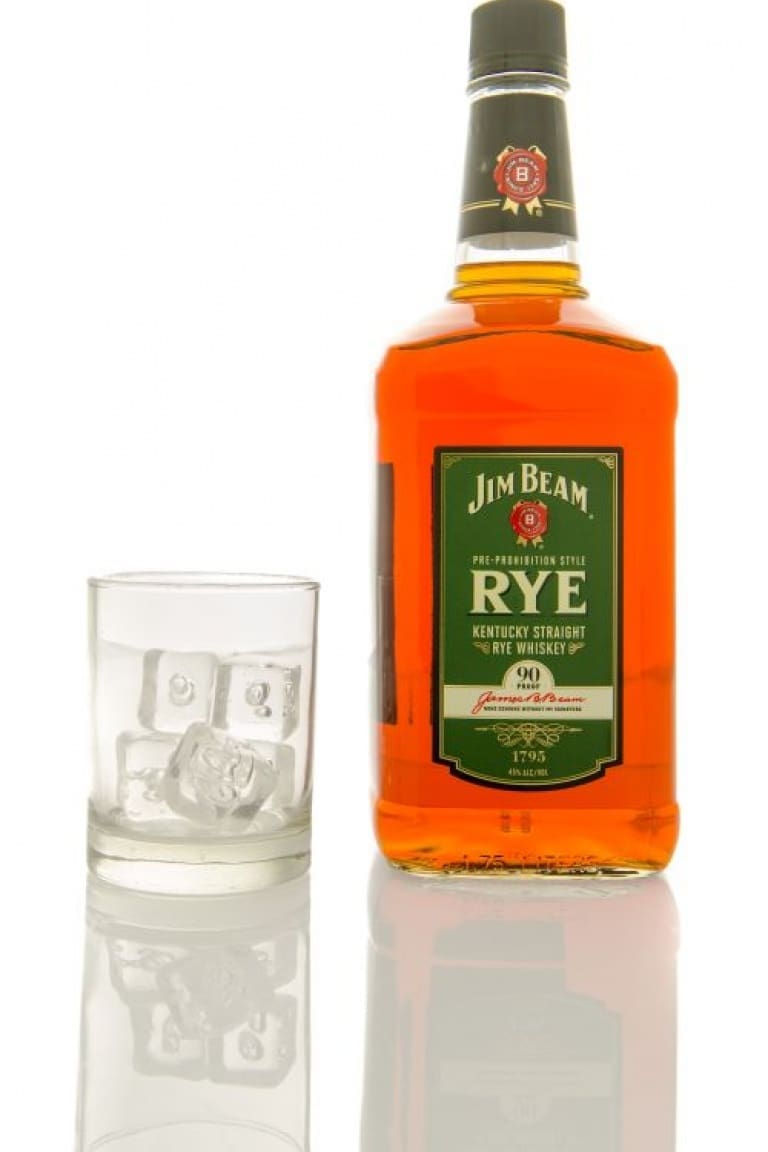
Jim Beam Rye Review: A $20 Whiskey Built for Manhattan Cocktails, Not Meditation
Jim Beam Rye is a reminder that good American whiskey does not necessarily require an ambitious price tag. Peppery, slightly herbal and softened by familiar notes of caramel and vanilla, this Kentucky straight rye offers a lively alternative to the sweeter personality of traditional bourbon.
It is not particularly deep or refined. The texture is relatively light, the oak occasionally feels a little rough, and the finish disappears sooner than enthusiasts might prefer. Yet these limitations become much less important when the whiskey meets sweet vermouth, bitters or a generous twist of orange peel.
At around €20 in Italy, Jim Beam Rye is one of the more accessible introductions to American rye whiskey. Its greatest strength is versatility, particularly behind the bar.
The Basics
- Grain: Minimum 51% rye, with other grains in the mash bill
- Producer: James B. Beam Distilling Co.
- Origin: Kentucky, United States
- Category: Kentucky Straight Rye Whiskey
- Style: Dry, spicy American whiskey
- Age: No age statement
- Maturation: New charred American oak barrels
- Alcohol: 40% ABV (European bottling)
- Bottle size: 700 ml
- Price: €19.80
Jim Beam Rye: The Spicier Side of Kentucky Whiskey
Jim Beam is inseparable from the history of Kentucky bourbon, but the distillery’s rye whiskey represents another American tradition, one that flourished long before bourbon became the country’s dominant whiskey style.
The Beam family’s distilling history dates back to 1795, when Jacob Beam began selling whiskey in Kentucky. The business survived changes in ownership, economic crises and Prohibition, eventually becoming one of the most recognisable names in American spirits.
Rye has a different historical identity from bourbon. Particularly important in Pennsylvania and Maryland, it became a staple of nineteenth-century American bars, where its pronounced spice and relatively dry character suited cocktails such as the Manhattan and Sazerac.
Jim Beam Rye follows a Kentucky interpretation of this tradition. Rather than pursuing the intensely herbal character of some high-rye recipes, it maintains a familiar Beam sweetness beneath the grain’s peppery influence.
The result is accessible to bourbon drinkers, although its personality is noticeably less rounded than Jim Beam White Label.
Production: Why Rye Changes the Character of Whiskey
American rye whiskey must contain at least 51% rye in its grain recipe. The remaining portion may include corn, malted barley or other grains, according to the distiller’s chosen formula.
Jim Beam does not publicly disclose the complete proportions of its rye mash bill. What matters in the glass is the relationship between the grain’s spicy, herbal character and the sweeter notes developed during fermentation and oak maturation.
Like bourbon, straight rye whiskey matures in new charred oak barrels. The toasted and charred wood contributes vanilla, caramelised notes and tannins, while maturation gradually softens some of the distillate’s more aggressive edges.
The brand refreshed its rye whiskey in 2015, introducing a bolder, 90-proof expression inspired by its historical recipes. The version commonly sold in Europe is bottled at 40% ABV, while the American 90-proof bottling contains 45% alcohol.
That difference matters. At 40%, the European expression is lighter and less forceful, particularly in cocktails containing substantial quantities of vermouth or other modifiers.
It retains enough rye spice to remain recognisable, but it is not a whiskey built around extraordinary concentration.
Tasting Notes: Black Pepper, Vanilla and Toasted Grain
The colour is light amber, with golden reflections.
The nose opens with toasted grain, vanilla and a touch of caramel, followed by black pepper, orange peel and a faint grassy impression. There is a modest woody smokiness, but the aromatic profile remains relatively simple.
On the palate, the opening is sweeter than expected, with caramel and vanilla quickly giving way to rye bread, cinnamon and a more assertive peppery character. A slightly herbal note brings freshness, while the oak introduces a dry, lightly tannic sensation.
The body is medium-light, without the oily density of more concentrated American whiskeys. The finish is moderately short, with lingering spice, a suggestion of aniseed and a slightly bitter woody edge.
Its weakness is the transition from palate to finish. The initial balance between sweetness and spice is appealing, but the structure loses momentum rather quickly. Adding water only makes that limitation more apparent.
Nevertheless, the whiskey has a clear identity. Its restrained sweetness and peppery character make it more interesting than a generic mixing whiskey, even if it lacks the complexity expected from a serious sipping rye.
Jim Beam Rye in Cocktails: Manhattan, Old Fashioned and Sazerac
The Manhattan is probably its most convincing destination. Sweet vermouth adds body and dark-fruit richness, while aromatic bitters reinforce the whiskey’s spices. The result is approachable without losing the essential distinction between rye and bourbon.
In an Old Fashioned, Jim Beam Rye produces a drier, more pepper-driven drink than the classic bourbon version. Keep the sugar restrained and use orange bitters or a fresh orange twist to complement its citrus and oak notes.
The Sazerac is another possibility, particularly with Peychaud’s bitters and an absinthe rinse. However, drinkers looking for the concentrated, assertive rye character traditionally associated with this cocktail may prefer a higher-proof whiskey.
For cocktails containing several strong ingredients, the 40% bottling can lose some definition. Reducing dilution and using a measured amount of sweetener helps preserve its character.
Serving Temperature and Glass
Serve at 18–20°C in a tulip-shaped whiskey glass for tasting, or over a large ice cube in a rocks glass. No decanting necessary.
Food Pairings
Its peppery grain character and caramel notes suit smoky meat, warm spices and moderately sweet desserts. Try American pulled pork, apple and cream tart, chestnut flour brownies with dark chocolate or vegan gingerbread bundt cake.
Verdict: Is Jim Beam Rye Worth €20?
At €19.80, Jim Beam Rye is a good-value mixing whiskey with enough peppery character to distinguish it from ordinary bourbon. It is less concentrated than Jack Daniel’s Tennessee Rye, around €28.50, and less assertive than Bulleit Rye, available for approximately €30.
Both alternatives offer more presence in the glass, particularly when served neat. Jim Beam’s advantage is its modest price and dependable performance in a Manhattan or Old Fashioned. For sipping, spend a little more; for cocktails, it earns its place on the shelf.

