
Dirupi Gèss 2017 Review: A Magnificent Alpine Nebbiolo from the Terraces of Grumello

There are Nebbiolos that impress with power, others with extraordinary aromatic complexity. Dirupi Gèss 2017 belongs to a more fascinating category: mountain reds that combine remarkable precision, delicate fruit and a nervous, almost electric freshness. It comes from a single vineyard in Grumello, one of the historic subzones of Valtellina, where growing grapes involves a considerable amount of climbing and very little room for mechanisation.
Produced by Pierpaolo Di Franco and Davide Fasolini, this Valtellina Superiore DOCG is a splendid expression of Chiavennasca, the local name for Nebbiolo. The 2017 vintage has substance and maturity, but never sacrifices the elegance that makes the best Alpine reds so compelling.
At around €40–50, Gèss offers the complexity and individuality of a serious single-vineyard Nebbiolo without the formidable prices associated with celebrated Barolo crus. Nine years after the harvest, it has reached a particularly attractive stage of development.
The Basics
- Producer: Dirupi
- Wine: Vigna Gèss
- Vintage: 2017
- Classification: Valtellina Superiore DOCG, Grumello
- Region: Lombardy, Italy
- Production area: Grumello, Sondrio, Valtellina
- Grapes: 100% Nebbiolo (Chiavennasca)
- Vineyard: Vigna Gèss, single-vineyard selection
- Altitude: Approximately 500 metres
- Soils: Granite-rich Alpine soils
- Viticulture: Steep terraced vineyards, predominantly manual cultivation
- Vinification: Approximately 25–30 days of skin maceration
- Ageing: 24 months in oak tonneaux, followed by 12 months in bottle
- Alcohol: 14% ABV
- Production: Approximately 3,000 bottles
- Bottle size: 750 ml
- Serving temperature: 16–17°C
Dirupi: Two Winemakers, Steep Mountains and a Rather Stubborn Dream
Dirupi was founded in 2003 by two young oenologists, Pierpaolo Di Franco and Davide Fasolini, better known as Birba and Faso. Their project began with an idea that was both ambitious and deeply practical: recover small, often neglected vineyards in Valtellina and demonstrate that their fruit could produce wines of remarkable quality.
Unlike estates established around a large contiguous property, Dirupi developed through the cultivation of numerous tiny plots scattered across the valley. Many are perched on steep slopes, supported by ancient dry-stone walls and accessible only through narrow paths.
The difficulties are obvious. Machinery is practically useless in many of these vineyards, agricultural operations require extensive manual labour, and maintaining the terraces involves a commitment that goes far beyond ordinary vineyard management.
Yet abandoning them would mean losing a significant part of Valtellina’s viticultural heritage.
The two founders gradually assembled a mosaic of parcels, cultivating old vines and selecting sites with distinctive exposures, elevations and soil characteristics. Their winery was established in a historic building in Ponte in Valtellina, dating from the sixteenth century.
The resulting range includes the approachable Olè Rosso di Valtellina, the estate’s Valtellina Superiore, the Inferno cru Guast, and several more ambitious single-vineyard wines.
Gèss is among the most interesting.
It demonstrates what Dirupi can achieve when a particularly distinctive vineyard is allowed to express its personality through careful extraction and extended maturation. The wine has the precision expected from serious Nebbiolo, but also a vitality that distinguishes it from the more imposing expressions of the grape.
Vigna Gèss: The Granite Terraces of Grumello
Grumello is one of the five recognised subzones of Valtellina Superiore, alongside Maroggia, Sassella, Inferno and Valgella.
The area extends across the slopes above Sondrio, where vineyards occupy narrow terraces supported by an extraordinary network of dry-stone walls. These south-facing slopes receive generous sunshine despite their Alpine location, while altitude and mountain air help preserve the acidity that is essential to Nebbiolo.
The landscape is spectacular, but its importance is agricultural rather than decorative.
Vigna Gèss occupies a site at approximately 500 metres above sea level, on soils dominated by granitic material. These relatively poor, well-drained soils encourage the vines to develop modest yields and help limit excessive vigour.
The combination of exposure, altitude and naturally low fertility is particularly favourable to Nebbiolo, a variety that demands a long growing season and responds strongly to differences in site.
Here the grape is known as Chiavennasca, although it belongs to the same variety responsible for the great red wines of Piedmont.
The distinction lies in the growing environment.
In the Langhe, Nebbiolo develops on hills dominated by various combinations of marl, clay, limestone and sand. In Valtellina, steep granitic slopes and a cooler Alpine climate create wines that often emphasise fragrance, acidity and a more slender structure.
That does not make them inherently lighter or less serious. Gèss 2017 has considerable concentration, but its weight is distributed differently from that of many powerful Piedmontese reds.
Its appeal lies in the relationship between ripeness and tension, with tannins that give the wine definition without overwhelming its more delicate aromatic qualities.
For a broader understanding of the region, our Valtellina wine and travel guide explores the extraordinary connection between mountain agriculture, local traditions and the wines produced on these terraces.
The 2017 Vintage: Concentration Without Losing Alpine Freshness
The 2017 vintage was characterised by warm, dry conditions across much of northern Italy, with episodes of spring frost and summer heat affecting vineyards differently according to location and altitude.
For Nebbiolo, the challenge was achieving complete phenolic maturity while avoiding excessive sugar accumulation and a corresponding loss of acidity.
Valtellina’s mountain environment offered an important advantage. Higher vineyard elevations, substantial variations between daytime and nighttime temperatures, and differences in exposure helped moderate some of the effects of the warm growing season.
Gèss reflects this combination of ripeness and restraint.
Compared with a cooler vintage, the 2017 has a more generous fruit profile and a substantial middle palate. The tannins are mature and reasonably supple, while the alcohol reaches 14%, giving the wine additional weight.
Nevertheless, it retains the freshness that distinguishes serious Alpine Nebbiolo. The structure is energetic rather than heavy, and the ripeness does not obscure the wine’s floral and savoury personality.
At nine years from the harvest, this balance has become particularly appealing. The primary fruit remains present, but the bouquet has developed more intricate earthy and spicy nuances.
Winemaking: Long Maceration and Two Years in Oak
Gèss is produced from Nebbiolo harvested in its dedicated vineyard and subjected to an extended period of skin contact, generally lasting approximately 25–30 days.
This is a significant maceration period for a grape already characterised by naturally abundant tannins.
The objective is not simply to extract more colour or produce a more muscular wine. Prolonged contact between juice and skins can develop a more complete phenolic structure, provided the grapes have reached sufficient maturity and extraction is carefully managed.
After fermentation, the wine matures for approximately 24 months in oak tonneaux, followed by another year in bottle.
The extended maturation gives the initially firm tannins time to integrate, while the oak contributes gradual oxygen exposure and additional structural development.
Gèss does not taste like a wine built around aggressive barrel influence. There is a restrained spicy dimension, but the fruit, floral character and underlying freshness remain clearly recognisable.
This is particularly important because Nebbiolo can easily lose its elegance when subjected to excessive extraction or conspicuous new oak.
Dirupi’s interpretation is substantial without becoming clumsy. The wine has the depth expected from a carefully selected cru, yet retains enough transparency to communicate its Alpine origins.
Tasting Notes
Colour: Transparent garnet red with luminous ruby reflections and delicate brick-red nuances around the rim.
Bouquet: An elegant combination of cherry, raspberry and dried rose petals, followed by liquorice, subtle tobacco and a restrained earthy note. Black pepper and a delicate smoky suggestion introduce further complexity, while a balsamic undertone gives the bouquet an attractive sense of maturity. The aromatic development is articulate and beautifully proportioned.
Palate: Medium-bodied, precise and remarkably energetic. The fruit has acquired a mature, savoury quality, supported by vibrant acidity and fine, persistent tannins. There is excellent depth without excessive weight, and the texture has a slightly austere edge that gives the wine character. Its most convincing feature is the progression across the palate: generous on entry, increasingly focused through the middle and wonderfully fresh towards the finish.
Finish: Long, dry and persistent, with delicate spice, a balsamic echo and a fine tannic grip. The lingering freshness is particularly impressive.
Our Verdict
Dirupi Gèss 2017 is an exceptional expression of Alpine Nebbiolo, combining maturity, aromatic complexity and a remarkably elegant structure.
Its greatest quality is precision. The wine has enough concentration to command attention, but never becomes an exercise in power. The fruit remains articulate, the tannins have developed a pleasing refinement, and the acidity provides an uninterrupted sense of movement.
Nine years of evolution have given Gèss a more sophisticated personality. The floral character has acquired subtle tertiary nuances, while the palate retains an attractive combination of freshness and firmness.
There is a certain austerity to the finish, and the wine does not possess the generous, enveloping texture that some drinkers expect from mature Nebbiolo. Its relatively slender structure may also seem modest to those accustomed to concentrated, heavily extracted reds.
But these are questions of style rather than significant shortcomings.
A comparison with Barolo helps clarify the distinction. While both wines derive their identity from Nebbiolo, Gèss places greater emphasis on delicacy, aromatic definition and Alpine freshness than on monumental structure.
It is also a compelling demonstration of how the same grape can express different landscapes. The Langhe may be Nebbiolo’s most celebrated homeland, but Valtellina has an equally distinctive interpretation, shaped by altitude, granite and centuries of heroic mountain viticulture.
The 2017 is drinking beautifully now. There is enough acidity and tannic integrity for another four to six years of development, although the present balance between maturity and freshness makes further waiting unnecessary.
Price
Around €45–50.
Food Pairings
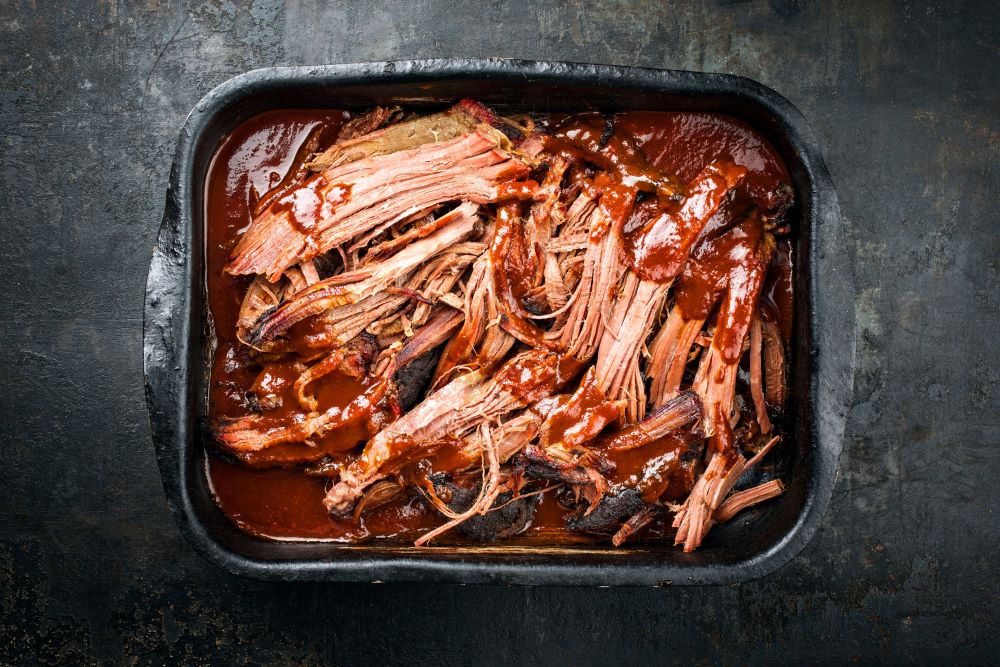
Paella, vitello tonnato, chicken curry, pulled pork, empanadas, hamburgers.

