
Singani: Bolivia’s High-Altitude Grape Spirit and the Secrets of the Andes
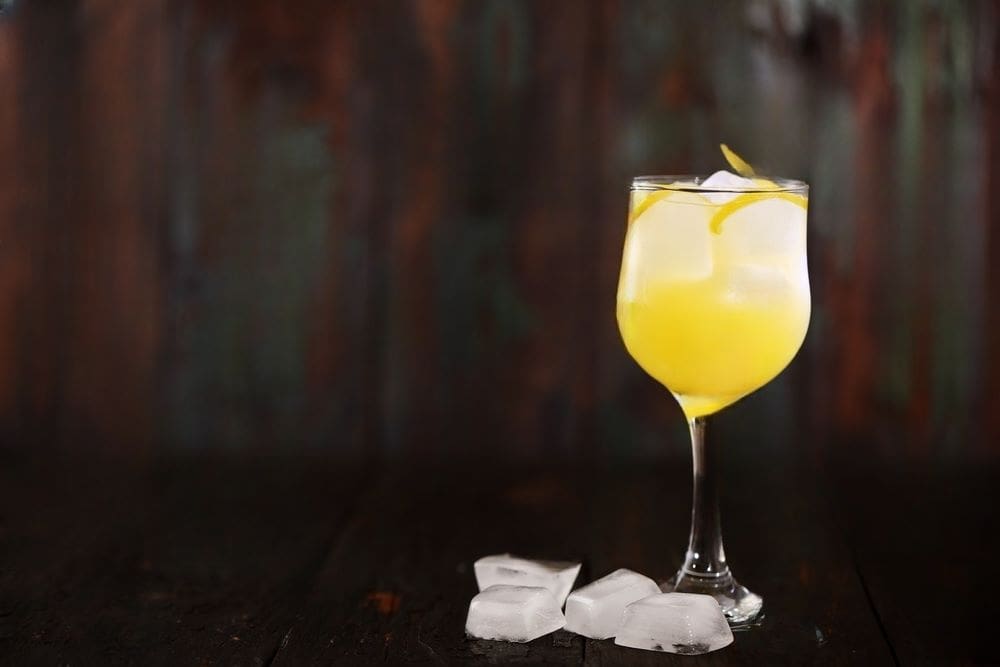
At 1,800 metres above sea level, growing grapes is a very different proposition from cultivating vineyards along the Mediterranean coast. Intense sunlight, cool nights and dramatic mountain landscapes shape Bolivia’s wine-producing valleys, where a grape more commonly associated with aromatic Mediterranean wines has become the foundation of the country’s most characteristic spirit.
Singani is Bolivia’s traditional grape distillate, celebrated particularly in its premium high-altitude form made exclusively from Muscat of Alexandria. Unlike Cognac or Armagnac, it is generally bottled without oak ageing, preserving an unusually expressive combination of white flowers, grape skin, citrus, tropical fruit and delicate spice.
Its history stretches back to the colonial period, when vineyards were established in the valleys supplying the wealthy mining city of Potosí. Over time, grape distillation developed into a distinctive regional tradition, eventually becoming an important symbol of Bolivian identity.
Yet Singani remains surprisingly unfamiliar outside South America. The international spirits market has embraced pisco, artisanal mezcal and increasingly obscure varieties of rum, while Bolivia’s high-altitude grape spirit is still frequently described as a curiosity.
That obscurity has little to do with its quality or versatility. A good Singani combines the aromatic intensity of Muscat grapes with the clarity of a young eau-de-vie, offering a completely different expression of grape distillation from the oak-aged brandies of Europe.
The Basics
- Country: Bolivia
- Category: Grape spirit / aguardiente de vino
- Denomination of Origin: Established by Law No. 1334 in 1992
- Principal production regions: Tarija, Chuquisaca, Potosí and La Paz
- Flagship category: Singani de Altura
- Grape for Singani de Altura: 100% Muscat of Alexandria
- Minimum vineyard altitude for Singani de Altura: 1,600 metres
- Principal production areas: Central Valley of Tarija and the Cinti Valley
- Raw material: Fermented grape wine
- Distillation: Single or double distillation, depending on producer and category
- Typical strength: Around 40% ABV
- Colour: Generally clear and colourless
- Traditional style: Unaged, aromatic and fruit-driven
- Key aromas: Orange blossom, jasmine, fresh grapes, citrus peel, peach and white pepper
- Important producers: Casa Real, Kuhlmann, San Pedro and Vacaflores
- Signature cocktail: Chuflay
What Is Singani?
Singani is a Bolivian spirit obtained through the distillation of wine made from grapes grown in designated production areas.
Its best-known and most distinctive form is Singani de Altura, produced from Muscat of Alexandria grapes cultivated at a minimum altitude of 1,600 metres.
The relationship between grape variety and altitude is fundamental. Muscat of Alexandria is naturally rich in aromatic compounds, while Bolivia’s high-altitude growing conditions contribute to a distinctive combination of ripeness, freshness and intense fruit character.
In the glass, Singani generally appears completely transparent. Its aroma, however, can be remarkably expressive, combining orange blossom, fresh grapes, peach, citrus and delicate herbal sensations.
Although it belongs to the broad family of grape brandies, it is usually closer in style to an unaged wine eau-de-vie than to Cognac.
Wood maturation is not the defining feature. The objective of the classic style is to preserve the aromatic character of the original grapes through fermentation and distillation.
One important legal distinction deserves attention: not every historical category of Singani is identical to Singani de Altura. Bolivian regulations have also recognised other selection categories with different raw-material requirements. The familiar description of Singani as exclusively Muscat of Alexandria grown above 1,600 metres applies most precisely to the premium high-altitude expression.
Where Singani Comes From
The heart of Singani production lies in southern Bolivia, particularly the Central Valley of Tarija and the Cinti Valley in Chuquisaca.
The protected geographical area is broader, however, extending into designated valleys of Potosí and La Paz.
These are highland landscapes where vineyards occupy relatively narrow agricultural zones between mountain slopes, riverbeds and dry valleys.
The elevation creates unusual conditions for viticulture. Strong solar radiation helps grapes ripen, while cooler nighttime temperatures can slow certain metabolic processes and help maintain acidity.
The effect should not be exaggerated into a universal rule: altitude alone does not guarantee exceptional grapes, and vineyard orientation, irrigation, soil and harvest timing remain important.
Nevertheless, the combination of tropical latitude and substantial elevation allows producers to cultivate aromatic grapes in environments where lowland temperatures would be far less favourable.
The geographical identity of Singani is consequently inseparable from the Andes.
Tarija: The Modern Centre of Singani Production
Tarija is the principal commercial centre of Bolivia’s wine and Singani industries.
The city lies in the south of the country, near the Argentine border, surrounded by valleys where vineyards have become an established agricultural and tourist attraction.
The Central Valley sits at elevations commonly around 1,700–2,000 metres, although individual vineyard sites vary.
Modern wineries and distilleries operate alongside smaller agricultural producers, and the area contains some of Bolivia’s best-known commercial brands.
Tarija’s importance grew substantially during the twentieth century as industrial production expanded and companies invested in modern fermentation and distillation equipment.
Today, the region combines vineyards producing still wines with those supplying the grape base for Singani.
This coexistence is important: Singani is not made from unwanted winemaking leftovers. In its premium form, it begins with grapes cultivated and fermented specifically to produce an aromatic distilled spirit.
The Cinti Valley: Singani’s Historic Heartland
The Cinti Valley, particularly the districts around Camargo and Villa Abecia, occupies a special position in Bolivia’s distilling history.
Its vineyards developed during the colonial period, partly in connection with the enormous economic influence of Potosí.
Unlike the larger-scale vineyards of modern Tarija, Cinti retains important examples of traditional viticulture, including old vines and distinctive systems in which grapevines are trained through or supported by living trees.
The landscape is dramatic, with red rock formations, narrow valleys and agricultural plots surrounded by steep mountain slopes.
Cinti also preserves a strong tradition of small-scale distillation.
Several producers continue working with methods that maintain a closer relationship with the older history of Bolivian grape spirits.
For anyone interested in the origins of Singani, Cinti is as important as Tarija, even though the latter dominates modern commercial production.
Why Altitude Matters
The minimum altitude of 1,600 metres is not simply a romantic reference to the Andes. It is a defining condition of Singani de Altura.
At high elevations, vineyards experience stronger ultraviolet radiation and often substantial differences between daytime and nighttime temperatures.
These factors influence grape physiology, including berry development, ripening and the formation or preservation of aromatic compounds.
The cooler nights can help maintain freshness as sugar accumulates during the day.
For an aromatic variety such as Muscat of Alexandria, the result can be particularly expressive fruit.
However, altitude should not be presented as a magical mechanism that automatically concentrates every desirable aroma. Vineyard management, water availability, grape health and harvest decisions are equally important.
Its real significance lies in allowing Muscat of Alexandria to ripen under a combination of solar intensity and thermal variation that differs markedly from lower-altitude regions.
Those grapes provide the aromatic material from which Singani is distilled.
Muscat of Alexandria: The Grape Behind Singani de Altura
Muscat of Alexandria, known in Spanish as Moscatel de Alejandría, is among the oldest cultivated aromatic grape varieties.
It belongs to the broader Muscat family, which includes several distinct varieties sharing pronounced floral and grapey aromas.
The grape has a long history around the Mediterranean and was carried to the Americas during the colonial expansion of European viticulture.
Muscat of Alexandria is particularly rich in monoterpenes, aromatic compounds responsible for many of its characteristic scents.
These include linalool, geraniol and nerol, associated with floral, citrus and rose-like sensations.
In wine, the variety can produce remarkably fragrant dry or sweet styles. In Singani, distillation transforms that same aromatic material into a concentrated, colourless spirit.
The connection between grape and finished product can remain unusually clear, particularly when distillation is carefully controlled.
That is one reason Singani can appear almost perfumed on the nose while remaining dry on the palate.
How Singani Began: Colonial Vineyards and the Mines of Potosí
The origins of Singani lie in the development of vineyards during the Spanish colonial period.
European settlers and religious communities introduced grape cultivation to the southern Andean valleys during the sixteenth century.
Wine was important both for religious use and everyday consumption, particularly in settlements connected with colonial administration and mining.
The discovery and exploitation of the enormous silver deposits at Cerro Rico in Potosí created one of the richest and most influential cities in the world during the colonial era.
Supplying that population required extensive networks of agriculture, transport and commerce.
Vineyards in nearby valleys became important sources of wine and grape-derived products.
Distillation offered several advantages. Spirits were more stable than wine during difficult journeys, occupied less transport volume relative to their alcohol content and could command substantial commercial value.
Over time, the production of grape aguardiente became established in the region.
The exact origin of the word Singani remains debated. One traditional explanation connects it with a locality or estate called Sinkani, but the historical evidence does not justify presenting this derivation as certain.
What is clear is that grape distillation became part of Bolivian agricultural and commercial life centuries before the modern denomination was established.
From Traditional Distilleries to Modern Production
For much of its history, Singani was made in small distilleries using relatively simple equipment.
Fermentation took place in locally available containers, while distillation employed metal apparatus adapted to the conditions and resources of the region.
Some traditional installations used falcas, distilling equipment whose construction differed from the modern copper pot still.
During the twentieth century, production gradually became more industrialised.
Larger companies invested in controlled fermentation, modern stills, improved storage and standardised bottling.
This transformation increased production volumes and improved consistency, helping Singani become a widely recognised national product.
At the same time, traditional distillation survived in smaller establishments, particularly around Cinti.
The modern category therefore includes both large, technologically sophisticated producers and small distilleries working with methods rooted in local history.
The 1992 Denomination of Origin
Bolivia legally protected Singani through Law No. 1334 of 4 May 1992.
The legislation recognises Singani as an exclusively Bolivian product and reserves the name for spirits produced within specified geographical areas.
These include the Central Valley of Tarija, parts of Chuquisaca, designated valleys of Potosí and selected areas of La Paz.
The law defines Singani through the distillation of natural wines made from fresh grapes, produced and bottled within the authorised regions.
Subsequent regulations developed more detailed categories and technical requirements.
The best-known of these is Singani de Altura, whose identity is tied to Muscat of Alexandria and vineyards situated at least 1,600 metres above sea level.
The denomination represents more than a geographical marketing claim. It protects a regional production tradition against the use of its name for unrelated grape spirits made elsewhere.
Singani de Altura and the Other Traditional Categories
Bolivian legislation has distinguished different types of Singani, rather than treating the entire category as one uniform product.
Singani de Altura
This is the most distinctive and internationally recognised expression.
It is produced exclusively from wines made with Muscat of Alexandria grapes grown at a minimum altitude of 1,600 metres.
The spirit may undergo single or double distillation, depending on the producer and production method.
Its defining quality is the preservation of the grape’s aromatic character, particularly its floral and citrus notes.
Singani de Primera Selección
The historical first-selection category has allowed the use of wines produced from one or more white grape varieties grown within the authorised production areas.
It therefore has a broader botanical definition than Singani de Altura.
The resulting character depends on the varieties and techniques employed.
Singani de Segunda Selección
The historical second-selection category has included spirits derived from the fermentation and distillation of grape material involving unpressed pomace.
Its production and sensory identity differ from the premium wine-distilled expression associated with Singani de Altura.
These categories are important because they demonstrate that a description of Singani as exclusively Muscat of Alexandria, with no qualification, overlooks distinctions within Bolivia’s regulatory history.
For a serious introduction to the spirit, Singani de Altura is the category to seek out.
How Singani Is Made
The production of Singani de Altura begins in the vineyard and follows a sequence of harvesting, pressing, fermentation, distillation and resting.
Unlike grappa, the defining premium style is based on fermented grape wine rather than spent pomace.
1. Harvesting Muscat of Alexandria
Grapes are harvested when their sugar concentration, acidity and aromatic development are suitable for distillation.
Harvest commonly takes place during the southern hemisphere’s late summer, often around February and March.
The timing varies by vineyard and season.
Because the objective is to produce a distilled spirit rather than a conventional drinking wine, producers may select harvest parameters that favour aromatic preservation and an appropriate fermentation profile.
Healthy fruit matters enormously. Distillation can concentrate desirable volatile compounds, but it can also expose defects originating from damaged grapes or poorly managed fermentation.
2. Pressing and Preparing the Must
The harvested grapes are crushed or pressed to extract the juice.
Traditional producers may use relatively simple equipment, while larger distilleries employ modern mechanical presses.
The objective is to obtain must containing the sugars and aromatic compounds needed for fermentation.
The degree of contact with grape skins can influence aromatic extraction, particularly because many Muscat-related compounds are associated with the skins.
However, extended maceration is not an automatic requirement for Singani. Producers choose different approaches according to their equipment and desired style.
3. Fermentation
Yeasts convert grape sugars into alcohol, producing the base wine that will later be distilled.
Temperature control is especially important for aromatic grapes.
Excessive fermentation temperatures can encourage the loss of delicate volatile compounds and increase the formation of undesirable by-products.
Some commercial producers ferment at relatively cool temperatures to preserve floral and fruit aromas.
The resulting wine is not necessarily intended to taste like a finished dry Muscat wine. Its purpose is to provide an aromatic and technically sound base for distillation.
A well-managed fermentation creates the foundation for an expressive Singani.
4. Distillation
The fermented wine is distilled to concentrate alcohol and preserve selected aromatic compounds.
Both single and double distillation have a place in the production tradition.
Modern producers may use copper pot stills, sometimes drawing on techniques associated with European wine brandies.
Copper helps reduce certain undesirable sulphur compounds, while the design and operation of the still influence the concentration of volatile aromas.
The distiller must carefully separate the early, central and late fractions of the distillation.
The central fraction, generally known as the heart, is selected for its balance of alcohol and desirable aromatic compounds.
Distilling too aggressively or collecting an excessively broad range of fractions can produce a spirit with harshness or unwanted aromas.
Conversely, excessive rectification can strip away the floral identity of the Muscat grape.
The best Singani retains substantial aromatic character without becoming heavy or coarse.
5. Resting and Reduction
The freshly distilled spirit often emerges at a much higher strength than its eventual bottling alcohol.
It is allowed to rest before being reduced with suitable water to the desired strength.
Many premium bottlings are presented at around 40% ABV.
Resting helps the distillate settle and integrate after production.
Most Singani de Altura is bottled without prolonged wood maturation, allowing the natural grape aroma to remain dominant.
The result is a clear spirit whose principal character comes from the vineyard and distillation rather than from oak.
Why Singani Smells So Floral
Singani’s extraordinary aromatic intensity comes primarily from Muscat of Alexandria.
The grape contains significant concentrations of terpene compounds that can survive fermentation and contribute to the finished distillate.
Linalool contributes floral and citrus-like impressions, geraniol is associated with rose-like aromas, and nerol can reinforce floral and fresh citrus sensations.
Other volatile compounds formed during fermentation and distillation add fruit, spice and textural complexity.
These molecules do not create precisely the same sensory result in every bottle.
Grape ripeness, fermentation conditions, distillation equipment and the selection of fractions all influence the finished profile.
In the best examples, the aroma is vivid but integrated, suggesting orange blossom, rose petals, fresh grapes, peach and citrus peel rather than artificial perfume.
What Does Singani Taste Like?
A classic Singani de Altura is generally clear, dry, intensely aromatic and relatively light in colour-derived complexity, since it is normally unaged.
The nose can be remarkably expressive, with white flowers, orange blossom, ripe grapes, peach and delicate citrus.
Some examples also show jasmine, tropical fruit, herbs or a gentle musky sensation characteristic of Muscat varieties.
On the palate, the spirit is typically dry despite the pronounced impression of sweet fruit.
This distinction is essential.
Muscat aromas can create a perception of sweetness even when the liquid contains little or no residual sugar.
Texture varies between producers. Some bottlings are crisp and relatively lean, while others display a broader, rounder mouthfeel.
The finish should remain clean, floral and persistent, with controlled alcoholic warmth.
Poor examples can appear excessively perfumed, hot or thin, especially when aggressive distillation obscures the underlying grape character.
Singani vs Pisco
Pisco is the most obvious comparison because both spirits are produced from fermented grapes and commonly bottled without oak ageing.
The similarities are substantial, but the production traditions are different.
Peruvian pisco can be made from several authorised grape varieties, including Quebranta, Italia, Torontel and several Moscatel varieties.
Chilean pisco has its own geographical regulations and permitted grape varieties, with production centred on the northern regions of Atacama and Coquimbo.
Singani de Altura is distinguished by its exclusive use of Muscat of Alexandria and its minimum vineyard altitude of 1,600 metres.
That combination gives the premium Bolivian spirit a particularly coherent aromatic identity.
A Muscat-based pisco may come closest in flavour, but similarities in grape aromatics should not obscure differences in climate, fermentation and distillation.
In a direct tasting, Singani often emphasises floral delicacy and fresh grape character, while pisco offers a broader stylistic spectrum depending on the grape and production method.
Singani vs Grappa
Grappa and Singani both come from grapes, but the raw material used for their characteristic production differs fundamentally.
Traditional Italian grappa is distilled from grape pomace: skins, seeds and other solid material remaining after winemaking.
Singani de Altura is distilled from wine made with Muscat of Alexandria grapes.
This gives the two spirits different foundations.
Grappa can display pronounced marc, herbal and sometimes earthy notes, while Singani generally offers a cleaner, more immediately floral profile.
An aromatic grappa made from Moscato may share rose, citrus and fresh grape aromas with Singani.
Nevertheless, the difference between distilling wine and distilling pomace remains substantial.
Singani vs Cognac and Armagnac
Cognac and Armagnac are French wine brandies traditionally associated with specific grape varieties, distillation systems and maturation in oak.
Cognac is generally produced from relatively acidic wines, particularly Ugni Blanc, and undergoes double distillation in copper pot stills.
Armagnac commonly uses continuous distillation and has its own regional grape and ageing traditions.
Both categories rely heavily on the influence of wood to develop their familiar aromas of vanilla, spice, dried fruit and toasted oak.
Singani follows a different philosophy.
Its premium identity rests on preserving the fragrance of Muscat grapes rather than transforming the spirit through extended barrel ageing.
The result is closer to an aromatic eau-de-vie than to a mature French brandy.
The Most Important Singani Producers
Bolivia has a broader range of producers than the limited international export market might suggest.
The following names represent different aspects of the country’s distilling tradition.
Casa Real
Casa Real is among Bolivia’s most recognisable Singani producers.
The Granier family’s involvement in the industry dates to 1925, and the modern distillery operates in Santa Ana, near Tarija, at approximately 1,850 metres above sea level.
The company’s flagship Gran Singani Etiqueta Negra is an important reference for the commercial Singani de Altura style.
Casa Real’s production combines high-altitude Muscat grapes with established distillation methods designed to preserve the fruit’s aromatic intensity.
The company also produces other expressions, including Etiqueta Roja and Etiqueta Azul.
Its significance extends beyond domestic sales because its distillate forms the basis of Singani 63, one of the best-known internationally distributed bottlings.
Singani 63
Singani 63 is closely associated with American film director Steven Soderbergh, who became interested in the spirit after encountering it during work in Bolivia.
The brand is produced in collaboration with Casa Real and is made from Muscat of Alexandria grown in Bolivia’s high-altitude vineyards.
Bottled at 40% ABV, it displays the floral, fruity and citrus-led character that has made Singani increasingly attractive to bartenders.
Its development has helped introduce the category to the United States, where many consumers previously had little familiarity with Bolivian grape spirits.
Singani 63 is not a separate type of distillate. It is a branded expression of the traditional Bolivian product, adapted to an international market.
Kuhlmann and Los Parrales
Kuhlmann, associated with the Los Parrales brand, is another historic name in Bolivia’s spirits industry.
The company traces its origins to Franz Kuhlmann, whose arrival in Bolivia during the early twentieth century contributed to the development of more organised production.
Los Parrales became one of the country’s established Singani labels.
Its importance lies in the transition from traditional regional distillation to more industrial and commercially distributed production.
San Pedro
San Pedro, in the Cinti region, is connected with one of Bolivia’s oldest surviving viticultural traditions.
The area’s historic vineyards and distilleries preserve an important part of the colonial-era agricultural heritage that helped create Singani.
Small-production expressions associated with this region are especially interesting because they offer an alternative to the larger commercial operations of Tarija.
Vacaflores
Vacaflores, also associated with the Cinti Valley, represents the continuity of traditional regional distillation.
The producer has been linked with historic copper distillation equipment, including an early twentieth-century still.
Its importance is particularly relevant to enthusiasts interested in the technical history of Bolivian grape spirits.
Together, these producers illustrate how Singani combines modern commercial distillation with older, smaller-scale traditions.
How Much Does Singani Cost?
Singani remains difficult to find in many European markets.
Domestic Bolivian prices are generally lower than those encountered through specialist international importers, where shipping, taxes and limited distribution can substantially increase costs.
In the United States, Singani 63 commonly occupies a premium but accessible spirits category, with retail prices around $35–45 per bottle, depending on the market.
European availability is considerably more irregular, making it difficult to establish a reliable general price.
For buyers outside Bolivia, the main challenge is often finding a genuine Singani de Altura rather than choosing between numerous competing bottles.
When available, a clearly identified high-altitude expression from an established producer is a better starting point than an unfamiliar product offering little information about its grape variety or production method.
How to Drink Singani
Singani can be enjoyed neat, lightly chilled or in cocktails.
For a serious tasting, serve it at approximately 14–18°C in a small tulip-shaped glass.
That temperature allows the floral aromas to emerge without excessively emphasising the alcohol.
Chilling the spirit too aggressively can suppress the delicate Muscat character.
Allow a small pour to rest briefly before tasting. Orange blossom, grape and citrus notes may become more distinct as the first alcoholic impression fades.
Singani generally does not require decanting or extended aeration.
A few drops of water can be useful when exploring a particularly powerful expression, but dilution should remain restrained.
Chuflay: Bolivia’s National Singani Cocktail
The Chuflay is perhaps the most famous way to drink Singani in Bolivia.
It combines Singani with ginger ale, ice and fresh lemon or lime.
The drink became associated with railway culture during the late nineteenth and early twentieth centuries.
According to a longstanding account, foreign railway workers accustomed to mixing gin with ginger ale began substituting locally available Singani.
The name Chuflay is traditionally linked to the English railway expression short fly, although the precise linguistic history is difficult to establish.
Whatever its origin, the cocktail became a fixture of Bolivian celebrations and social gatherings.
Classic Chuflay Recipe
Ingredients
- 60 ml Singani
- 120–150 ml chilled ginger ale
- 10 ml fresh lemon or lime juice, optional
- Ice
- Lemon or lime wheel
Method
Fill a tall glass with ice, pour in the Singani and add the ginger ale. Squeeze in a little citrus if desired and stir briefly.
The drink should remain refreshing rather than excessively sweet.
Ginger ale complements Singani particularly well because its gentle spice balances the grape’s floral intensity.
Yungueñito: Singani and Orange
The Yungueñito is another traditional Bolivian cocktail, particularly associated with La Paz and the Yungas region.
Its defining ingredients are Singani and orange juice, sometimes supplemented with sugar or syrup.
The combination emphasises the spirit’s citrus and floral notes.
Compared with Chuflay, it is fruitier and often sweeter, depending on the proportions.
A simple version uses 60 ml of Singani and approximately 120 ml of fresh orange juice, shaken or stirred with ice.
The key is using sufficiently fresh citrus to prevent the drink from becoming heavy.
Sucumbé and Té con Té
Singani also appears in traditional warm drinks.
Sucumbé combines Singani with milk and warming spices, commonly cinnamon and cloves. Some preparations also incorporate egg or sweetening ingredients.
It belongs to a completely different drinking tradition from the refreshing Chuflay and is particularly associated with colder Andean environments.
Té con Té combines Singani with hot tea, often accompanied by spices and sometimes citrus.
These drinks demonstrate how extensively Singani is integrated into Bolivian domestic culture.
It is not restricted to cocktails or formal tasting occasions.
Food Pairings
Singani’s floral character pairs particularly well with dishes that combine savoury intensity, aromatic herbs and a controlled amount of acidity.
Try Bolivian anticuchos with potato and peanut sauce, grilled river trout with fresh herbs and lemon, or salteñas filled with spiced beef and vegetables.
How to Choose a Good Singani
The first distinction to consider is the category.
Look for Singani de Altura when seeking the most characteristic expression of Bolivia’s high-altitude Muscat tradition.
A good bottle should identify its producer clearly and preferably provide information about the grape variety, origin and distillation process.
The nose should be expressive but clean, with floral and fruit aromas that suggest fresh grapes rather than artificial flavouring.
The palate should be dry and balanced, with alcohol contributing structure rather than dominating the finish.
Unaged expressions are the most useful for understanding the spirit’s identity.
For a first purchase, Casa Real Etiqueta Negra or Singani 63 provides a recognisable reference, while traditional Cinti producers are worth exploring for a deeper understanding of regional production.
Does Singani Improve with Age?
Most Singani is designed to be consumed without extended bottle ageing.
Unlike wine, the spirit does not develop substantial beneficial complexity simply through years of storage.
The aromatic compounds associated with Muscat may gradually change after opening, particularly when the bottle contains a large amount of air.
Store Singani upright, tightly sealed and away from heat and direct sunlight.

