
Dirupi Grumello Riserva 2015 Review: Eleven Years of Alpine Nebbiolo, and Still Plenty of Fight

There is something irresistible about a mature Valtellina Nebbiolo that refuses to surrender its energy. Dirupi Grumello Riserva 2015 is one of those wines: fragrant, firmly structured and beautifully mature, with an Alpine personality that feels considerably more sophisticated than its modest geographical reputation might suggest.
Produced from old Chiavennasca vines in the Dossi Salati vineyards above Sondrio, this Riserva combines the generous ripeness of the 2015 vintage with the acidity and tannic precision that make mountain Nebbiolo so distinctive. Eleven years after the harvest, the wine has developed an intriguing savoury complexity without losing its structural backbone.
At €59.50, it is a serious purchase, but the combination of old vines, painstaking mountain viticulture and extended maturation makes a convincing argument for the price. This is not a lightweight mountain red pretending to be Burgundy. It is a concentrated, sometimes demanding Nebbiolo with enough personality to stand comfortably alongside more celebrated Italian wines.
The Basics
- Producer: Dirupi
- Wine: Grumello Riserva, Dossi Salati
- Vintage: 2015
- Classification: Valtellina Superiore DOCG, Grumello Riserva
- Region: Lombardy, Italy
- Production area: Dossi Salati, Montagna in Valtellina
- Grape: 100% Nebbiolo (Chiavennasca)
- Vineyard altitude: Approximately 530–570 metres
- Exposure: South
- Soils: Sandy, silty and clay-rich deposits of glacial origin
- Vines: Old plantings, with some vines approaching 100 years
- Fermentation: Stainless steel, with extended skin maceration
- Ageing: 24 months in large French oak barrels, followed by bottle maturation
- Alcohol: 14% ABV on European retail specifications
- Bottle size: 750 ml
- Serving temperature: 16–17°C
- Ageing potential: More than 15 years in favourable vintages
Dirupi: Two Friends Who Decided the Mountains Were Worth the Trouble
When Pierpaolo Di Franco and Davide Fasolini founded Dirupi in 2003, they did not inherit a grand estate or a collection of prestigious vineyards. They were two young oenologists from Valtellina who believed that some of the region’s neglected terraces deserved considerably more attention.
Their project developed through the recovery and cultivation of small vineyard parcels scattered across the steep slopes above the Adda Valley. The work was demanding from the beginning. These are vineyards where tractors are largely useless, dry-stone walls require constant maintenance and even carrying harvested grapes can become a formidable physical exercise.
But the inconvenience is precisely what makes this landscape extraordinary.
The south-facing terraces allow Nebbiolo to ripen at elevations that would otherwise be unsuitable for such a demanding variety. Mountain air moderates the growing season, while the poor, well-drained soils help restrain vine vigour.
Dirupi gradually developed a range of wines that explores different expressions of Valtellina, from the more immediate Olè Rosso di Valtellina to the single-vineyard Gèss and Guast, alongside the ambitious Sforzato Vino Sbagliato.
The Riserva occupies a particularly important position within this portfolio.
It comes from Dossi Salati, a vineyard area that combines altitude, considerable sunshine and old vines capable of producing grapes with impressive concentration. Rather than disguising these qualities behind new oak or excessive extraction, Dirupi relies on extended maceration and maturation in relatively large wooden vessels.
The estate’s approach is particularly appealing because it does not confuse elegance with weakness. Its wines can be concentrated, tannic and demanding, but they retain the freshness and distinctive aromatic character of Alpine Nebbiolo.
Dossi Salati: The Higher, Wilder Side of Grumello
Grumello is one of the five recognised subzones of Valtellina Superiore DOCG, alongside Sassella, Inferno, Valgella and Maroggia.
The appellation occupies the terraced slopes around Sondrio, where Nebbiolo has adapted to a demanding combination of altitude, steep terrain and relatively poor soils.
Dossi Salati represents one of the higher vineyard sectors of Grumello, extending towards 600 metres above sea level. Its slopes enjoy generous southern exposure, allowing the grapes to accumulate sufficient ripeness despite the Alpine climate.
The soils contain a mixture of sand, silt and clay, associated with the geological history of the valley and its glacial deposits. They drain relatively efficiently and encourage the vines to develop extensive root systems.
The old vines used for Dirupi’s Riserva add another important dimension. Some are approaching a century of age, providing relatively modest yields and fruit with substantial natural concentration.
The 2015 vintage demonstrates why these conditions matter.
The wine has more depth and maturity than a delicate, youthful Valtellina Nebbiolo, yet it retains the acidic backbone and structural definition that prevent its generous fruit from becoming heavy.
There is a useful distinction between this Riserva and Dirupi’s single-vineyard Gèss. Although both belong to the Grumello denomination, they originate from different vineyard sites and receive different approaches to maturation.
Gèss is generally associated with a more delicate, fragrant expression, while the Dossi Salati Riserva places greater emphasis on structure, depth and long-term development.
Understanding that distinction is important. Valtellina is not a homogeneous collection of mountain Nebbiolos, and its most interesting producers are increasingly demonstrating the individuality of specific vineyards.
For more context on the region’s landscapes and viticultural traditions, our Valtellina travel and wine guide explores the extraordinary relationship between these Alpine terraces and local wine production.
Chiavennasca: Nebbiolo with a Mountain Accent
The grape responsible for Dirupi Grumello Riserva is Chiavennasca, the traditional Valtellina name for Nebbiolo.
Although genetically the same variety cultivated in Piedmont, its expression changes considerably under the influence of the Alpine environment.
Nebbiolo is a demanding grape. It requires a long growing season to achieve complete phenolic maturity, yet its naturally high tannins and acidity can produce austere wines when ripening conditions are unfavourable.
In Valtellina, the predominantly south-facing terraces compensate for altitude by providing generous sunshine. The valley’s mountain climate encourages gradual development, helping the grapes retain freshness as their tannins mature.
The resulting wines frequently have a more transparent colour and a more slender structure than powerful examples from the Langhe. Their aromatic character can also be particularly refined, with floral and savoury nuances developing beautifully over time.
That does not mean all Valtellina Nebbiolo is delicate.
The Dossi Salati Riserva is a convincing demonstration of the variety’s capacity to produce a wine with considerable depth and tannic authority without abandoning its distinctive Alpine identity.
Compared with a structured Barolo, this Grumello generally offers a less imposing body, but it can display equally compelling complexity once sufficient bottle age has softened its initial firmness.
The comparison is particularly interesting in the 2015 vintage, when favourable ripening conditions gave the wine more generosity than one might expect from such high-altitude vineyards.
The 2015 Vintage: Ripeness, Concentration and a Welcome Dose of Freshness
Across much of northern Italy, 2015 was characterised by a warm growing season, with substantial summer heat and generally favourable conditions for grape maturation.
In Valtellina, these conditions helped Nebbiolo achieve good physiological ripeness, although altitude, exposure and individual vineyard management remained critical.
The warmer season favoured fruit concentration and tannin maturity, producing reds that were often more approachable than those from cooler, more austere vintages.
For Dirupi’s Riserva, the advantage was particularly significant.
Nebbiolo grown at 530–570 metres requires sufficient warmth to mature its abundant phenolic compounds, and 2015 provided the conditions for a substantial wine without sacrificing its Alpine freshness.
The result has considerable depth, but its most interesting feature is the relationship between ripe fruit and firm acidity.
Eleven years of bottle development have brought these qualities closer together. The tannins retain their characteristic grip, while the fruit has acquired more complex, mature nuances.
The wine is now in an appealing drinking phase, although its structure indicates that it has not exhausted its potential for further evolution.
How Dirupi Grumello Riserva Is Made
The Riserva begins with a careful selection of Nebbiolo grapes from the Dossi Salati vineyards.
After destemming and gentle crushing, fermentation takes place in stainless steel, followed by extended maceration on the skins. The producer’s technical descriptions indicate a prolonged extraction regime, traditionally reaching several weeks.
Such extended contact is particularly significant for Nebbiolo, whose natural tannic abundance requires careful management. The objective is to develop a complete and persistent structure without producing an aggressively astringent wine.
After fermentation, the Riserva spends approximately 24 months in large French oak vessels. These relatively substantial barrels allow gradual oxygen exchange while limiting the aromatic influence of new wood.
The choice is appropriate for the variety.
Nebbiolo has sufficient natural complexity to make conspicuous oak unnecessary, and the wine’s identity is better served by allowing its floral, earthy and savoury qualities to develop without interference.
Further bottle maturation completes the process.
The result is a traditional yet carefully controlled expression of Alpine Nebbiolo, built around mature fruit, firm tannins and a long, gradual evolution.
The wood contributes refinement and structural integration, but it never becomes the central feature of the wine.
Tasting Notes
Colour: Transparent garnet red with luminous ruby reflections and a delicate brick-red rim.
Bouquet: Mature cherry, dried rose and raspberry introduce an elegant, complex nose, followed by tobacco, liquorice and a restrained suggestion of forest floor. Delicate balsamic nuances, black pepper and dried herbs give the wine additional depth. The aromatic development is refined, with the fruit still clearly perceptible beneath the more mature components.
Palate: Medium-full, firm and beautifully structured, with ripe red fruit supported by vibrant acidity and persistent, finely textured tannins. The wine has greater depth than many lighter Alpine Nebbiolos, yet its texture remains remarkably precise. A savoury, slightly earthy character develops through the middle palate, introducing an attractive tension between maturity and freshness.
Finish: Long, dry and persistent, with delicate spice, tobacco and a lingering tannic grip. The freshness gives the wine an impressive sense of energy.
Our Verdict
Dirupi Grumello Riserva 2015 is an excellent mature Nebbiolo, combining concentration, structure and the distinctive elegance of Valtellina’s high-altitude vineyards.
Its greatest strength is the balance between power and freshness. The wine has substance, but it never becomes heavy or excessively extracted. The tannins remain firm, yet they have acquired a more refined texture, while the acidity gives the palate a pleasing sense of precision.
Eleven years of development have also improved its aromatic complexity. The original fruit has gradually evolved towards more savoury and earthy nuances, without disappearing beneath them.
The 2015 has the concentration expected from a warm vintage and the freshness necessary to sustain its maturity. The result is a particularly engaging expression of Grumello, with enough individuality to justify its position among Dirupi’s more ambitious bottles.
Its personality can be compared with the mature mountain Nebbiolo of ArPePe Sassella Stella Retica 2012. Both wines demonstrate the remarkable elegance of Chiavennasca, although Dirupi’s Riserva has a more substantial structure and a firmer tannic profile.
Serve at 16–17°C in a large Burgundy glass. A short, gentle decant will help separate any sediment, but prolonged aeration is unnecessary.
Price
€59.50.
Food Pairings
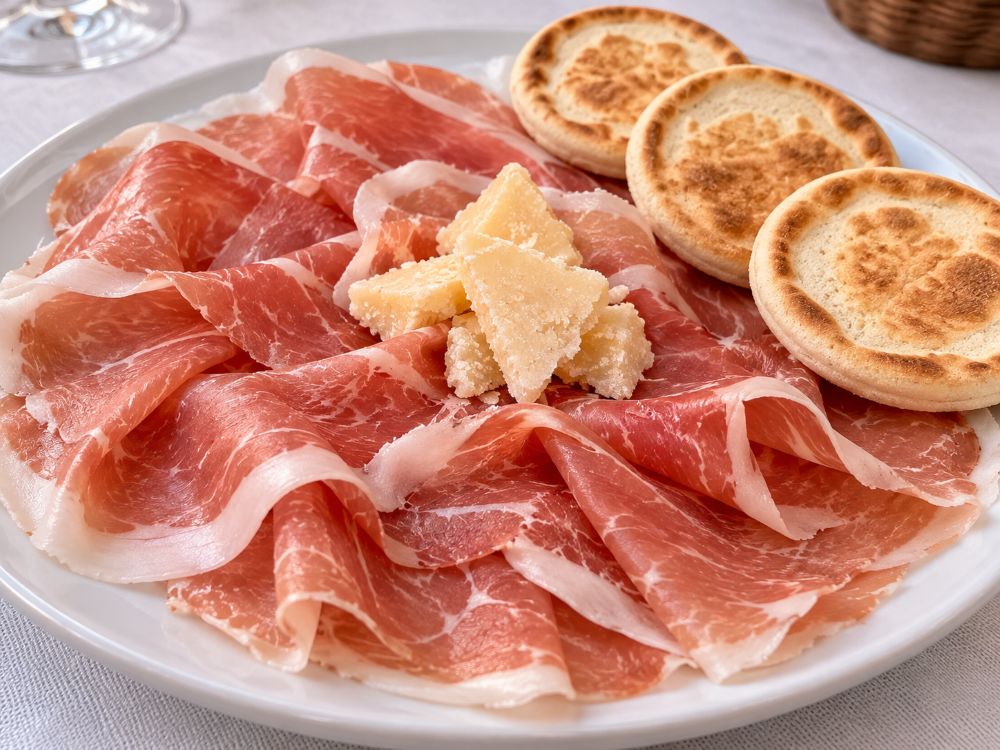
Paella, vitello tonnato, chicken curry, pulled pork, empanadas, hamburgers.

