
Vinho Verde Wine Guide: Atlantic Freshness, Alvarinho, Loureiro and Portugal’s Most Misunderstood Wine Region
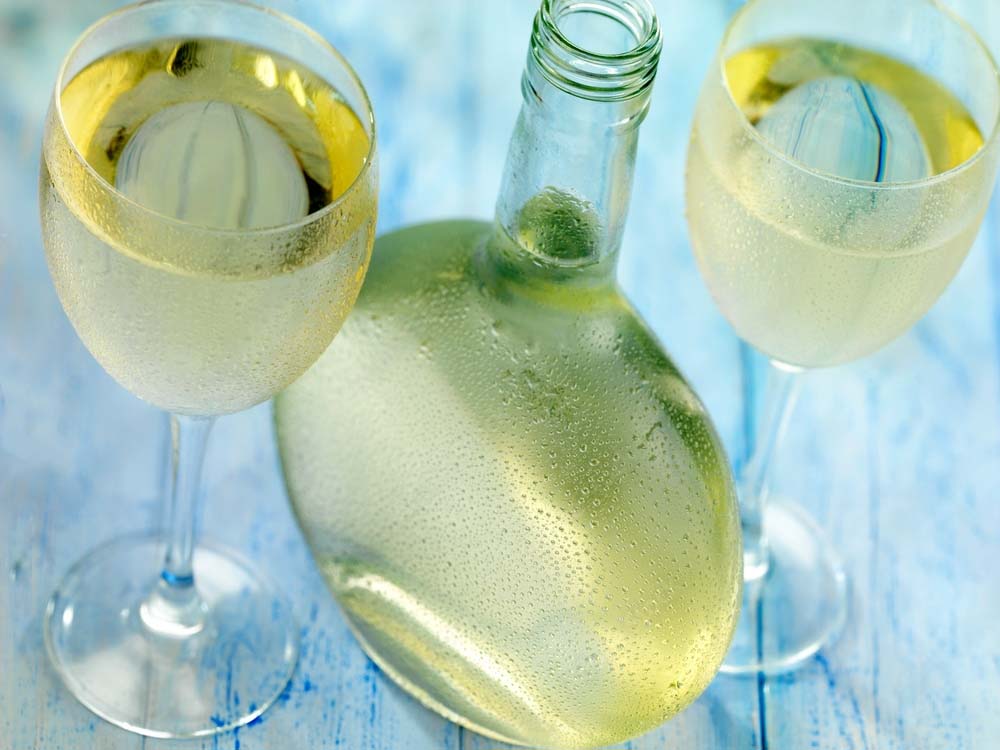
Vinho Verde is one of the most misunderstood names in European wine. For decades, international drinkers associated it almost exclusively with inexpensive, slightly sparkling white wine served very cold and drunk within months of release. That style still exists, but it represents only a fraction of what the region can produce.
The denomination stretches across northwestern Portugal, from the Spanish border down towards the Douro, covering roughly 16,000 hectares of vineyard and nine distinct subregions. It includes still and sparkling wines, white, red and rosé, and a remarkable collection of native grape varieties including Alvarinho, Loureiro, Avesso, Arinto, Azal and Trajadura. Some wines are barely above 9% alcohol and built entirely around freshness; others reach 13% or more, spend time on lees or in wood and can evolve for a decade.
The word “Verde” does not mean that the wine is literally green, nor does it simply mean that the grapes are picked unripe. The name is historically tied to the lush, intensely green landscape of the Minho and to the youthful character traditionally associated with many of its wines. Modern Vinho Verde, however, is increasingly about terroir, grape variety and subregion rather than just youth.
The best bottles can deliver lime, lemon, green apple, white flowers, peach, herbs, saline tension and granite-like minerality, with a freshness that comes naturally from one of Portugal’s wettest and most Atlantic-influenced wine regions.
The Basics
- Region: Vinho Verde
- Country: Portugal
- Location: Northwestern Portugal
- Demarcated since: 1908
- Certification commission established: 1926
- EU PDO registration: 1991
- Current vineyard area: Approximately 16,000 hectares
- Number of subregions: 9
- Main white grapes: Alvarinho, Loureiro, Avesso, Arinto, Azal, Trajadura
- Important red grapes: Vinhão, Espadeiro, Borraçal, Amaral
- Wine colours: White, red and rosé
- Still wine: Yes
- Sparkling wine: Yes
- Typical soils: Predominantly granite, with local variations
- Climate: Strong Atlantic influence, high rainfall and moderate temperatures
- Typical white body: Light to medium; richer in serious Alvarinho and Avesso
- Typical acidity: High
- Typical alcohol: Roughly 9–13.5% ABV depending on grape and style
- Typical aromas: Lime, lemon, green apple, pear, peach, flowers and herbs
- Typical price: Around €5–€10 for simple blends; €10–€20 for serious varietal wines; top Alvarinho and single-vineyard bottlings can exceed €25–€40
- Serving temperature: 8–10°C for simple whites; 10–12°C for serious still wines
- Ageing potential: 1–3 years for basic wines; 5–10 years or more for top Alvarinho, Loureiro and Avesso
Where Is Vinho Verde?
The Vinho Verde region occupies a large part of Portugal’s northwest, between the Atlantic Ocean and the mountains that separate the Minho from the hotter interior. It reaches north to the Minho River and the Spanish border, while its southern sectors approach the Douro Valley.
This is one of Portugal’s most humid wine regions. Atlantic weather systems bring frequent rain, particularly outside summer, while temperatures remain moderate compared with the hot interior of Alentejo or the Douro. Rivers such as the Minho, Lima, Cávado, Ave and Sousa cut through the territory and help create a complex network of valleys, slopes and local mesoclimates.
That geography explains why Vinho Verde cannot be reduced to one style. Vineyards near the coast experience strong maritime influence, high humidity and relatively narrow temperature swings, while inland subregions become warmer, drier and more continental.
The region’s nine subregions exist precisely because those climatic differences materially change which grapes perform best.
A Wine Region Demarcated in 1908
Vinho Verde is one of Portugal’s oldest formally demarcated wine regions.
The territory was officially demarcated on 18 September 1908, although grape growing here is vastly older. Viticulture in northwestern Iberia stretches back more than two thousand years, and wine was already leaving the region for export markets during the fourteenth century.
The surprising part of the early story is colour.
Today Vinho Verde is internationally identified with white wine, but historically red wines played a much larger role in the region’s reputation. Dense, acidic reds made from grapes such as Vinhão were consumed locally and formed an important part of rural food culture.
White Vinho Verde only became dominant much later, especially during the second half of the twentieth century, when vineyard research, better trellising systems and modern cellar technology allowed growers to improve fruit quality and control fermentation more precisely.
The international image of Vinho Verde is therefore relatively recent.
What Does “Vinho Verde” Mean?
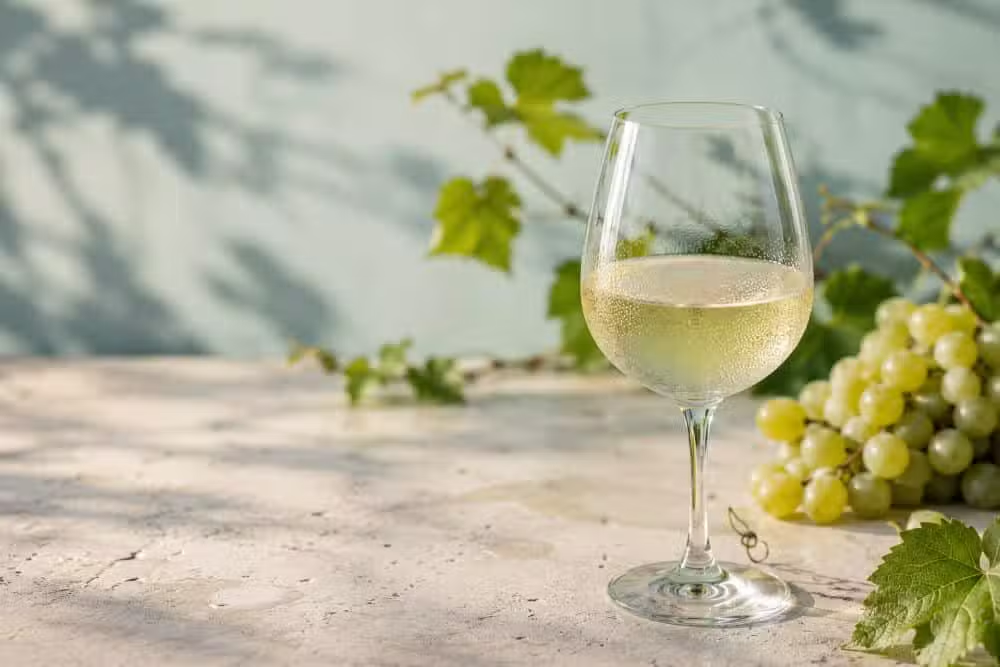
The literal translation is “green wine”, but interpreting the name as wine made from green or unripe grapes is misleading.
Historically, the expression is associated both with the extraordinarily green landscape of northwestern Portugal and with the youthful, fresh character in which the wines were traditionally consumed.
The region is lush because of its Atlantic climate. Rainfall is high, vegetation is abundant and vines historically grew through a landscape of maize fields, trees and mixed agriculture.
The wines also tended to be consumed young, before long ageing or oxidative development.
Modern Vinho Verde can still be fresh and youthful, but serious Alvarinho, Loureiro and Avesso have demonstrated that the denomination can produce wines with considerable ageing potential.
The name remained the same.
The ambitions changed.
The Region Once Looked Completely Different
Traditional viticulture in the Minho did not resemble today’s neat rows of low-trained vines.
For centuries, farmers commonly trained vines high above the ground on trees, poles and pergola-like systems known locally in various forms such as enforcado and ramada. This allowed maize, vegetables and other crops to grow underneath while grapes occupied the vertical space above.
The system made economic sense in densely farmed rural communities where every metre of land mattered. It also improved airflow in an exceptionally humid region, reducing some disease pressure around grape clusters.
But there were disadvantages. High vines were difficult to prune and harvest, yields could be excessive and fruit ripening was often uneven.
Research during the twentieth century gradually encouraged lower, more manageable vineyard systems, transforming both grape quality and the appearance of the region.
Why Vinho Verde Is So Acidic
Acidity is one of the most consistent structural features of the region.
The Atlantic climate moderates summer heat, and several important local varieties naturally retain high levels of acidity even when fully ripe. Grapes such as Arinto and Azal can remain particularly sharp, while Loureiro combines freshness with aromatic intensity.
Historically, very high yields also contributed to relatively low sugar and high acidity. Modern viticulture has reduced yields and improved ripeness, so serious Vinho Verde no longer needs to taste aggressively green or thin.
The best producers use natural acidity as an advantage rather than something to hide.
It keeps alcohol moderate, makes the wines exceptionally useful with seafood and allows stronger examples to develop in bottle.
Freshness here is not manufactured through early picking alone.
It belongs to the place.
The Famous Slight Fizz
Many inexpensive bottles of Vinho Verde carry a light prickle of carbon dioxide.
Historically, some of this carbonation developed naturally because wines retained carbon dioxide from fermentation or underwent minor secondary activity after bottling. Modern commercial examples generally achieve the effect much more deliberately and consistently.
The slight fizz became part of Vinho Verde’s international identity because it reinforces freshness and makes simple wines particularly easy to drink.
But carbonation is not mandatory.
Many of the region’s best wines are completely still, especially serious varietal Alvarinho, Loureiro and Avesso. There is also a separate tradition of fully sparkling Vinho Verde produced with more substantial pressure.
If you judge the denomination entirely by lightly fizzy €6 bottles, you are seeing only its most commercial expression.
Nine Subregions, Not One Uniform Terroir
The DOC recognises nine subregions: Monção e Melgaço, Lima, Cávado, Ave, Basto, Sousa, Amarante, Baião and Paiva.
Each has its own climate and set of grape varieties authorised for the subregional indication.
The western areas receive stronger Atlantic influence and tend to favour aromatic, high-acid grapes such as Loureiro and Arinto. Inland zones are warmer and can ripen Avesso, Azal and Alvarinho with greater body.
The subregional name on a label therefore provides genuinely useful information. It is not merely a decorative geographical detail.
Understanding Vinho Verde becomes much easier once you stop treating the DOC as one enormous vat of lightly sparkling white wine.
Monção e Melgaço: The Great Alvarinho Territory
At the northern edge of the region, along the Minho River and close to Galicia, Monção e Melgaço is the most prestigious subregion for Alvarinho.
The surrounding hills help protect vineyards from some direct Atlantic influence, producing a slightly warmer and drier mesoclimate than the coastal areas farther south. This allows Alvarinho to achieve greater ripeness while retaining the grape’s natural acidity.
The wines can show lime, peach, apricot, orange blossom and mineral notes, often with 12.5–13.5% alcohol and considerably more body than basic Vinho Verde.
Serious examples can age for a decade or longer, developing honey, wax, dried citrus and deeper savoury complexity.
This is the place that most decisively destroyed the stereotype that Vinho Verde must be light, cheap and consumed immediately.
Alvarinho Is the Same Grape as Albariño
Portuguese Alvarinho and Spanish Albariño are the same grape variety.
Across the Minho River in Galicia, Albariño forms the backbone of Rías Baixas. The political border changes the spelling but not the genetics.
The wines, however, can differ.
Monção e Melgaço Alvarinho frequently combines ripe stone fruit with floral aromas, citrus and a dense, almost waxy texture, while coastal Rías Baixas examples often emphasise salinity, citrus and maritime freshness.
Those differences come from site, climate, vineyard management and winemaking rather than grape identity.
The cross-border comparison is one of the most interesting in Iberian white wine.
One grape, one river, two appellation cultures.
Loureiro: The Perfumed Side of Vinho Verde
Loureiro is one of the great native white varieties of northwestern Portugal and deserves far more international attention than it receives.
The name relates to laurel, and good Loureiro can be intensely aromatic, showing white flowers, citrus, bay leaf, orange blossom and fresh herbs. Acidity remains bright, giving the wines a lifted, almost weightless character when yields are controlled.
The variety is particularly important in the Lima Valley, where Atlantic influence remains strong and the grape retains freshness naturally.
For years Loureiro was commonly blended into inexpensive regional whites, but single-varietal wines now demonstrate much greater complexity.
The best examples can age surprisingly well, gradually moving from flowers and citrus toward honey, wax and dried herbs.
Lima: Loureiro’s Natural Home
The Lima subregion follows the valley of the Lima River and remains one of the coolest, most Atlantic-influenced parts of Vinho Verde.
Loureiro performs exceptionally well here.
The grape ripens while preserving acidity and produces wines with lemon, white flowers, herbs and a subtle mineral edge, often at relatively modest alcohol.
Arinto and Trajadura are also permitted, while red varieties such as Vinhão remain part of the local tradition.
Lima is a particularly useful region for drinkers who want Vinho Verde to be aromatic and delicate rather than rich.
If Monção e Melgaço demonstrates the power of the denomination, Lima demonstrates its perfume.
Avesso: The Warmer, Broader Alternative
Avesso behaves almost like the opposite of Loureiro.
It performs best in warmer inland areas protected from strong Atlantic influence, especially Baião and neighbouring zones such as Amarante, Paiva and Sousa.
The wines have more body and lower apparent acidity than many classic Vinho Verde whites. Typical flavours include peach, orange, pineapple and ripe orchard fruit, occasionally accompanied by almond notes.
Avesso can also age well because good examples combine ripeness with enough underlying acidity to remain balanced.
The variety is increasingly important for demonstrating the denomination’s stylistic range.
A serious Avesso from Baião can feel surprisingly broad and structured compared with the light commercial image of Vinho Verde.
Baião: Where Vinho Verde Meets the Douro
Baião lies on the southeastern edge of the region, close to the Douro Valley.
The Atlantic influence weakens here, temperatures rise and the landscape becomes more continental. These conditions are particularly well suited to Avesso, which benefits from greater warmth.
The resulting whites are often fuller and more mature in fruit profile than coastal Vinho Verde, showing peach, orange and sometimes tropical notes without losing regional freshness.
This area provides one of the clearest demonstrations of how misleading the phrase “Vinho Verde style” can be.
A Baião Avesso and a Lima Loureiro can come from the same DOC and taste almost like wines from different countries.
Arinto: Acidity as a Structural Tool
Arinto is grown throughout much of Portugal and is known within Vinho Verde by the traditional synonym Pedernã.
Its great strength is acidity.
The grape can retain freshness under relatively warm conditions and commonly shows lemon, grapefruit, green apple and orange blossom. It is therefore extremely useful in blends, where it adds structure and length.
Single-varietal examples can also be impressive.
Arinto is especially interesting for ageing because its acidity provides a strong backbone beneath otherwise restrained fruit.
In a warming climate, varieties capable of holding acidity naturally become increasingly valuable.
Azal: The Sharp Edge
Azal is another late-ripening local variety particularly suited to more inland subregions.
It produces intensely fresh wines dominated by lime, lemon peel, grapefruit and green apple, often with particularly high acidity.
Poor examples can feel severe.
Good examples turn that severity into precision.
Azal therefore works well both in blends and as a varietal wine when vineyards achieve full ripeness.
It is not a grape designed for softness.
Its role is tension.
Trajadura: The Softener
Trajadura is widely used in blends and often plays the opposite role to Azal or Arinto.
The grape tends to produce relatively soft wines with pear, apple and ripe fruit, lower acidity and a rounder mouthfeel.
This makes it useful for balancing sharper varieties.
Blending Loureiro, Arinto and Trajadura can therefore create a wine where perfume, acidity and body each come from different grapes.
That multi-variety logic was historically central to Vinho Verde and remains relevant even as varietal bottlings become more fashionable.
The blend is not necessarily the lesser option.
It can be the region’s most traditional expression.
Red Vinho Verde Still Exists
The international export market is overwhelmingly white, but red Vinho Verde remains an important part of regional history.
The most distinctive grape is Vinhão, known elsewhere in Portugal as Sousão. It produces deeply coloured wine with high acidity, dark berry fruit and substantial tannic grip.
Traditional red Vinho Verde can be extraordinarily vivid: purple-black in colour, sharp, rustic and often served from bowls rather than conventional wine glasses in local rural contexts.
Espadeiro, Borraçal and Amaral also contribute to red and rosé production.
These wines are rarely exported in large quantities because their acidity and rustic structure can challenge consumers accustomed to soft modern reds.
For understanding the region historically, however, they are essential.
Vinhão: Almost Black in the Glass
Vinhão is one of Portugal’s most visually dramatic grapes.
Both skins and, in some cases, deeply pigmented juice contribute intense colour, creating wines that can appear almost opaque purple.
The flavour profile tends towards blackberry, black cherry, earth and herbs, but acidity is the defining structural characteristic.
Traditional Vinhão can feel almost shockingly sharp beside warm-climate Portuguese reds from Alentejo or the Douro.
With food, that acidity makes more sense. Fatty pork, sausages and rich Minho dishes provide exactly the weight required to tame the wine’s structure.
This is not a red designed for anonymous international smoothness.
Rosé Vinho Verde
Rosé has become an increasingly visible commercial category, commonly produced from grapes such as Espadeiro, Vinhão and other authorised red varieties.
The best versions combine strawberry, raspberry and red cherry with the high acidity expected from the region.
Light carbonation can appear, especially in inexpensive export-oriented examples.
Rosé Vinho Verde occupies much of the same drinking territory as the simple whites: low alcohol, freshness and immediate accessibility.
It may not represent the intellectual summit of the DOC, but it is entirely consistent with its culture of refreshing wine.
Sparkling Vinho Verde
The Vinho Verde denomination also covers fully sparkling wine.
This category is distinct from the gentle carbonation found in many basic whites. Sparkling Vinho Verde can be produced with significant pressure and more formal sparkling-wine methods.
High regional acidity makes the concept logical.
Alvarinho, Arinto and Loureiro can all provide excellent bases for sparkling wine because they retain freshness and aromatic precision.
The category remains overshadowed by still wines, but it has strong technical potential.
A region naturally capable of producing high-acid grapes does not need to imitate Champagne to make convincing sparkling wine.
Why Basic Vinho Verde Can Be So Low in Alcohol
Some of the most commercial Vinho Verde whites sit around 9–10% ABV, considerably below most modern still wines.
Historically, cool conditions, high yields and relatively early harvests produced grapes with limited sugar. Modern wineries can also deliberately preserve a lighter style because the international market values Vinho Verde for refreshment.
Low alcohol works because acidity and carbonation provide structure that would otherwise come from body.
But this should not be treated as a universal rule.
Top Alvarinho can comfortably exceed 13% ABV, while serious Avesso and other still wines can also reach normal table-wine strength.
Vinho Verde is a geographical denomination, not an alcohol category.
The Granite Question
Granite dominates much of northwestern Portugal and plays an important role in Vinho Verde viticulture.
Weathered granite soils tend to drain well and are often relatively acidic and low in fertility, naturally limiting some vine vigour. They are widespread in Monção e Melgaço, Lima and other important sectors.
The relationship between granite and a supposed “mineral taste” should not be simplified into the idea that rocks dissolve directly into wine flavour.
What matters is how soil affects drainage, root development, water availability and vine behaviour.
The resulting wines can feel tight, saline or stony, but those sensations arise from a complex interaction of grape chemistry, acidity, fermentation and site.
Terroir is more interesting than mineral mythology.
Why Rain Is Both a Blessing and a Problem
Northwestern Portugal receives far more rain than most famous Iberian wine regions.
Water stress is therefore less chronic than in the Douro or Alentejo, but humidity creates major disease pressure. Downy mildew, powdery mildew and botrytis can become serious problems, particularly when dense canopies reduce airflow.
Historically, high vine-training systems partly helped keep grapes away from damp ground and improve ventilation.
Modern viticulture relies on canopy management, careful spraying programmes and site selection to manage the same basic challenge.
Rain also explains the intensity of the landscape.
Vinho Verde is green because the climate genuinely supports abundant vegetation.
The beauty and the viticultural difficulty come from the same source.
Monção e Melgaço Alvarinho vs Rías Baixas Albariño
The comparison is inevitable because the same grape grows on opposite sides of the Minho River.
Monção e Melgaço generally experiences somewhat more continental conditions because surrounding hills provide partial protection from direct Atlantic influence. The wines can therefore achieve greater ripeness and body, with peach, apricot, citrus and floral aromas.
Rías Baixas, particularly coastal sectors, often produces a more overtly maritime profile with citrus, green fruit and saline freshness.
There are major exceptions on both sides.
Producer, subzone and winemaking matter enormously.
What makes the comparison interesting is not deciding which country “does Alvarinho better”, but seeing how a political border intersects with a continuous viticultural landscape.
Vinho Verde vs Albariño
Using these terms as opposites is technically incorrect.
Vinho Verde is a denomination of origin.
Alvarinho is a grape variety.
A Vinho Verde can be made entirely from Alvarinho, while an Albariño from Spain generally comes from Rías Baixas or another Spanish appellation.
This distinction matters because asking whether “Vinho Verde or Albariño is better” is like asking whether Burgundy or Chardonnay is better.
One is a place.
The other is a grape.
The confusion persists because inexpensive blended Vinho Verde and premium Alvarinho occupy very different market positions.
Traditional Blend vs Varietal Vinho Verde
Historically, mixed vineyards and blends were normal.
Modern consumers increasingly prefer the clarity of seeing Alvarinho, Loureiro or Avesso on a label, and producers have responded with more varietal bottlings.
There are clear advantages. Varietal wines reveal how strongly each grape behaves and make subregional identity easier to understand.
But blends can be equally serious.
Loureiro supplies perfume, Arinto acidity and Trajadura body. Alvarinho can add concentration. Avesso can give breadth.
A thoughtful blend can therefore express regional balance more completely than a varietal wine chosen simply because one grape has greater marketing prestige.
Can Vinho Verde Age?
The answer depends entirely on the wine.
Basic lightly sparkling blends are generally best within one to three years, while fruit and carbonation remain fresh.
Serious Loureiro can develop for five to eight years, gaining honey, wax and dried floral notes.
Good Avesso can also evolve well because its combination of ripeness and acidity supports bottle development.
Top Alvarinho from Monção e Melgaço can age for ten years or considerably longer, especially when produced from low-yielding vineyards and given lees or bottle ageing before release.
Mature Alvarinho can develop honey, beeswax, dried citrus and subtle nutty complexity while retaining remarkable freshness.
The belief that all Vinho Verde must be drunk immediately is decades out of date.
Lees Ageing and the New Vinho Verde
Modern producers increasingly use extended lees ageing to build texture without sacrificing freshness.
Wine remains in contact with spent yeast cells after fermentation, and periodic stirring can release compounds that increase body and reduce the sensation of sharp acidity.
This technique is particularly effective with Alvarinho and Loureiro.
The resulting wines can show more creaminess, bread-like complexity and depth while remaining far removed from heavily oaked Chardonnay.
Lees ageing has helped create a new premium category of Vinho Verde where texture matters almost as much as aromatic freshness.
It also improves the wine’s ability to develop in bottle.
Does Vinho Verde See Oak?
Yes, though oak is not central to the traditional image.
Serious producers increasingly ferment or age small portions of Alvarinho, Avesso and other structured varieties in barrels or larger wooden vessels.
The best examples use wood to add texture and oxygen exchange rather than obvious vanilla flavour.
Heavy new oak generally makes little sense because the region’s identity depends on acidity, perfume and freshness.
But restrained oak can work beautifully with ripe Alvarinho, particularly when the wine is intended for ageing.
Again, Vinho Verde has moved far beyond a single commercial style.
Soalheiro
Soalheiro is one of the most important modern names in Monção e Melgaço and helped establish premium Alvarinho as a serious category.
The estate released its first Alvarinho in 1982, at a time when varietal bottlings were far less common than today.
Its range now explores altitude, lees ageing, sparkling wine and different vineyard expressions while maintaining Alvarinho at the centre.
The classic Soalheiro style combines ripe citrus and stone fruit with floral character and precise acidity.
For understanding how sophisticated Vinho Verde can become without losing regional identity, Soalheiro is an essential reference.
Quinta de Soalheiro and Altitude
One of the most interesting developments around Soalheiro has been the exploration of higher-altitude vineyards.
Higher sites ripen more slowly and preserve acidity, producing a leaner profile than warmer valley-floor vineyards. This allows the same grape to express itself through citrus and mineral tension rather than only peach and ripeness.
These vineyards are becoming increasingly important as summers warm.
The contrast also reinforces a wider lesson: Monção e Melgaço itself is not one homogeneous terroir.
Altitude can matter almost as much as subregional identity.
Anselmo Mendes
Anselmo Mendes has been one of the key figures in transforming the reputation of Vinho Verde from simple young wine to serious terroir-driven white.
His work with Alvarinho includes different soils, fermentation vessels and ageing regimes, demonstrating how much range exists within the grape.
Wines such as Contacto emphasise skin contact and texture, while more ambitious bottlings explore wood and extended maturation.
Mendes has also worked extensively with Loureiro and other local varieties.
His significance lies not simply in making expensive Vinho Verde, but in questioning the assumption that these grapes should always be vinified as quickly, simply and neutrally as possible.
Quinta do Ameal
Quinta do Ameal is one of the strongest references for Loureiro.
Located in the Lima Valley, the estate focuses heavily on the variety and demonstrates that Loureiro can produce structured, age-worthy dry white wine rather than merely aromatic blending material.
The wines typically combine lemon, flowers and herbs with precise acidity, becoming more savoury and complex in bottle.
Ameal helped establish Loureiro as something worth discussing independently from Alvarinho.
That matters because Vinho Verde’s future should not revolve around one prestigious grape alone.
Aphros
Aphros, associated with producer Vasco Croft, became particularly influential through biodynamic farming and a more artisanal approach to Vinho Verde.
Loureiro is central to many of the estate’s whites, while the project also works with red varieties and alternative fermentation techniques.
The wines often show more texture and savoury character than the polished commercial norm.
Aphros belongs to the movement that repositioned Vinho Verde as an area capable of producing wines for specialist wine lists rather than only supermarket shelves.
Quinta da Raza
Quinta da Raza in the Basto subregion works with several local varieties and offers a useful way to explore the more inland identity of Vinho Verde.
Azal is particularly relevant here, alongside Arinto and Trajadura.
The wines generally retain the acidity associated with the denomination but show a somewhat different fruit profile from coastal Loureiro or northern Alvarinho.
Basto is rarely the first subregion international drinkers learn, which makes producers like Quinta da Raza valuable for understanding how broad the DOC really is.
Quinta de Covela
Quinta de Covela, close to the Douro and associated with the warmer southeastern edge of the wider Vinho Verde territory, has become strongly identified with Avesso.
The grape’s greater body and ripe peach-orchard profile suit this warmer environment.
Covela’s wines demonstrate how far the denomination can move from the stereotypical light, spritzy model.
A serious Avesso can be broad, dry and gastronomic while still retaining enough acidity to remain recognisably northern Portuguese.
How Much Does Vinho Verde Cost?
The entry level remains remarkably inexpensive.
Basic blends can sell for €4–€8 in Portugal and around €6–€12 in international markets. These wines are generally light, simple and designed for immediate drinking.
Between €10 and €18, the category changes dramatically. Varietal Loureiro, Avesso and stronger blends begin to show genuine regional character.
Premium Alvarinho from Monção e Melgaço generally starts around €12–€20, while single-vineyard, old-vine, barrel-aged and limited-production wines can reach €25–€40 or more.
The strongest value often sits around €10–€20.
Few European white-wine regions offer this much native-variety personality at that level.
Food Pairings
Basic Vinho Verde is almost purpose-built for grilled sardines, fried fish, shellfish, clams and simple seafood rice, because acidity and low alcohol work naturally with salt and fat.
Loureiro is excellent with oysters, ceviche, grilled prawns and herb-driven dishes.
Alvarinho can handle richer food such as octopus, roast fish, bacalhau and even roast poultry, particularly when the wine has lees or bottle age.
Avesso works well with richer fish, pork and creamy dishes because of its broader body.
Traditional red Vinhão belongs with hearty Minho food, especially pork, sausages and fatty meat, where its extreme acidity becomes an advantage.
Serving Vinho Verde
Simple, lightly sparkling whites should be served around 8–10°C.
Do not freeze them. Excessively cold temperatures make already delicate wines taste almost flavourless.
Serious Loureiro, Avesso and Alvarinho deserve 10–12°C, especially when lees ageing, bottle age or oak has added texture.
A normal white-wine glass is preferable to a tiny aperitif glass for premium examples.
Mature Alvarinho can comfortably use a slightly larger glass because air reveals its wax, citrus and mineral complexity.
The better the wine, the less useful the old habit of serving Vinho Verde ice cold becomes.
What Makes Great Vinho Verde?
Freshness is necessary, but freshness alone is not enough.
A serious wine should also show clear grape identity, texture and length. Loureiro needs more than flowers; it needs enough structure to keep those aromas from becoming superficial. Alvarinho should balance ripe fruit with acidity rather than simply accumulating alcohol. Avesso needs enough freshness to control its naturally broader body.
The finish is particularly revealing.
Simple Vinho Verde disappears quickly.
Great Vinho Verde leaves citrus peel, herbs, salt and mineral tension behind after the fruit has gone.
That persistence is where the region separates refreshment from real wine.

