
Hop into Easter with these 12 French Champagnes for a Sparkling Celebration

Embrace the delightful trinity of Chardonnay, Pinot Noir, and Pinot Meunier grapes in the enchanting realm of Champagne.
Their seamless blend reflects the unity of the Father, Son, and Holy Spirit, gracing your Easter toast with a touch of elegance and a taste that lingers on the palate.
Immerse yourself in the joy of the occasion with a glass of Champagne, the ultimate symbol of life’s celebrations.
The Champagne Region
Champagne is a unique type of sparkling wine produced exclusively in the Champagne region of France. The region’s unique terroir, consisting of chalky soil and a cool climate, contributes to the distinct taste and effervescence of its wines. The méthode champenoise, or traditional Champagne production method, involves a secondary fermentation process in the bottle, which gives the wine its signature bubbles.
Choosing the Right Champagne
Champagne Varieties
When selecting a Champagne for your Easter toast, it’s essential to consider the different varieties available.
Chardonnay, Pinot Noir, and Pinot Meunier are the three primary grapes used to make Champagne. Or at least these are the three mainstream vines, the ones known to the public, but remember that there is a small microcosm and that many small producers make incredible Champagnes even with decayed vines such as pinot blanc, pinot gris, petit meslier, and arbane.
Non-vintage Champagnes are typically made from a blend of these grapes, while vintage Champagnes come from a single year’s harvest. You may also choose between brut, extra brut, or demi-sec styles, depending on your preference for sweetness.
Price Range
Champagne prices can vary widely, from affordable options under $50 to luxury bottles priced in the hundreds or even thousands of dollars. Consider your budget and the occasion when selecting the perfect Champagne for your Easter toast.
Veuve Clicquot Yellow Label Brut

This iconic Champagne is known for its signature yellow label and well-rounded taste. A blend of Chardonnay, Pinot Noir, and Pinot Meunier grapes, the Veuve Clicquot Yellow Label Brut offers a crisp, fruity flavor with a hint of brioche, making it perfect for your Easter celebration.
Moët & Chandon Impérial Brut
A classic choice for any occasion, Moët & Chandon Impérial Brut is a harmonious blend of the three main Champagne grape varieties. With notes of green apple, citrus fruits, and a subtle minerality, this Champagne is both elegant and refreshing.
Laurent-Perrier Cuvée Rosé
For those who prefer a rosé Champagne, the Laurent-Perrier Cuvée Rosé is a standout option. Made primarily from Pinot Noir grapes, this rosé offers a beautiful salmon hue and flavors of red berries and fresh citrus. Its delicate bubbles and silky texture make it a delightful choice for your Easter toast.
Dom Pérignon Vintage
A luxury Champagne, Dom Pérignon Vintage is renowned for its exquisite taste and limited production. Each vintage is unique, offering a harmonious balance of Chardonnay and Pinot Noir grapes. Expect complex flavors of toasted almonds, honey, and subtle spice that will elevate your Easter celebration.
Bollinger Special Cuvée
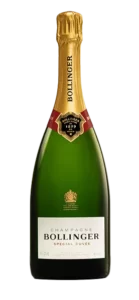
Bollinger Special Cuvée is a non-vintage Champagne known for its full-bodied and complex flavors. A blend of Pinot Noir, Chardonnay, and Pinot Meunier grapes, this Champagne offers notes of baked apple, brioche, and roasted nuts, making it an excellent choice for pairing with Easter dinner.
Taittinger Brut La Française
A refined and elegant Champagne, Taittinger Brut La Française is a blend of Chardonnay, Pinot Noir, and Pinot Meunier grapes. With its delicate bubbles and flavors of fresh fruit, toasted bread, and a hint of honey, this Champagne is a delightful option for your Easter toast.
Ruinart Blanc de Blancs
For fans of Chardonnay, Ruinart Blanc de Blancs is a must-try. Made exclusively from Chardonnay grapes, this Champagne offers bright citrus and floral notes, balanced by a creamy texture and a hint of minerality. It’s a refreshing choice that pairs well with a variety of Easter dishes.
Krug Grande Cuvée
Krug Grande Cuvée is a prestigious non-vintage Champagne known for its exceptional depth and complexity. A blend of over 120 wines from multiple years, this Champagne offers flavors of toasted brioche, roasted nuts, and ripe fruit, along with a long and satisfying finish.
Piper-Heidsieck Cuvée Brut
Piper-Heidsieck Cuvée Brut is a well-balanced and versatile Champagne, perfect for any celebration. A blend of Chardonnay, Pinot Noir, and Pinot Meunier grapes, this Champagne offers flavors of pear, apple, and citrus, along with a hint of toasted almonds and brioche.
Perrier-Jouët Grand Brut
Perrier-Jouët Grand Brut is an elegant and floral Champagne, perfect for toasting the arrival of spring. A blend of Chardonnay, Pinot Noir, and Pinot Meunier grapes, this Champagne offers delicate flavors of white flowers, citrus, and a hint of honey.
Louis Roederer Cristal
As one of the most prestigious Champagnes in the world, Louis Roederer Cristal is a true luxury. Made from Chardonnay and Pinot Noir grapes, Cristal is known for its exceptional purity and finesse. Expect flavors of ripe fruit, citrus, and toasted brioche, with a silky, delicate texture that is perfect for a special Easter toast.
Charles Heidsieck Brut Réserve
Charles Heidsieck Brut Réserve is a well-rounded and complex Champagne that offers excellent value. A blend of Chardonnay, Pinot Noir, and Pinot Meunier grapes, this Champagne delivers flavors of apple, pear, and a hint of brioche, with a creamy texture and fine bubbles.
Things to know
- How should I store my Champagne before serving?
Preserve your champagne’s impeccable quality by adhering to optimal storage conditions. Shield it from damaging sunlight and temperature inconsistencies in a wine fridge or cellar, maintaining a steadfast 50-55°F (10-13°C) for peak performance.. Before serving, chill your Champagne in the refrigerator for a few hours.
- What’s the best way to serve Champagne?
Serve Champagne in a flute or tulip-shaped glass to preserve the bubbles and concentrate the aromas. Pour the Champagne slowly down the side of the glass to minimize the loss of carbonation.
- How long does an opened bottle of Champagne last?
An opened bottle of Champagne can last for 3-5 days if stored properly. Use a Champagne stopper to seal the bottle and keep it in the refrigerator. Note that the bubbles and taste may diminish over time.
- What are some good food pairings for Champagne?
Champagne is the best wine in the world when it comes to food pairings. From fish to sushi, through white meat to red meat.
Because, yes, you can and must combine the most powerful Pinot Noir-based rosé Champagnes with meat, bone steaks, and ribs glazed with barbecue sauce. There are virtually no limits. Some classic pairings include oysters, caviar, smoked salmon, sushi, and mild cheeses. For Easter, consider pairing your Champagne with dishes like roast lamb, glazed ham, or a light and refreshing spring salad.
- Is it okay to mix Champagne with other ingredients for cocktails?
You are not breaking the law if you use Champagne to make aperitif cocktails for the Easter toast—far from it!
Obviously, you shouldn’t use a $100 vintage wine; a simple and fresh product will suffice.
The cocktails to try are the great classics: the Mimosa (Champagne and orange juice), the Bellini (Champagne and peach purée), and the French 75 (Champagne, gin, lemon juice, and simple syrup).

