
Understanding Pastis: From Absinthe’s Substitute to French Culinary Staple
Pastis is a French anise-based apéritif (liqueur) that has its roots in the south of France, especially in the Marseille region. It was born in the 1930s as a legal substitute for absinthe, which was banned in France for its supposed harmful effects. The first commercial Pastis was created by Paul Ricard in 1932, which became the iconic brand of this distillate. Ricard mixed green anise and licorice, creating a liqueur that still embodies the Mediterranean culture and lifestyle.
Production and Organoleptic Characteristics
Pastis is produced by flavoring neutral alcohol with star anise, licorice and other aromatic herbs such as fennel and coriander. The ingredients are macerated in alcohol, and sometimes distilled a second time. The result is a liqueur with an alcohol content between 40% and 45%, with a complex aromatic profile, dominated by the sweet and spicy notes of anise, balanced by the freshness of fennel and licorice. The flavor is appropriately earthy, much drier than sambuca.
How to Serve It
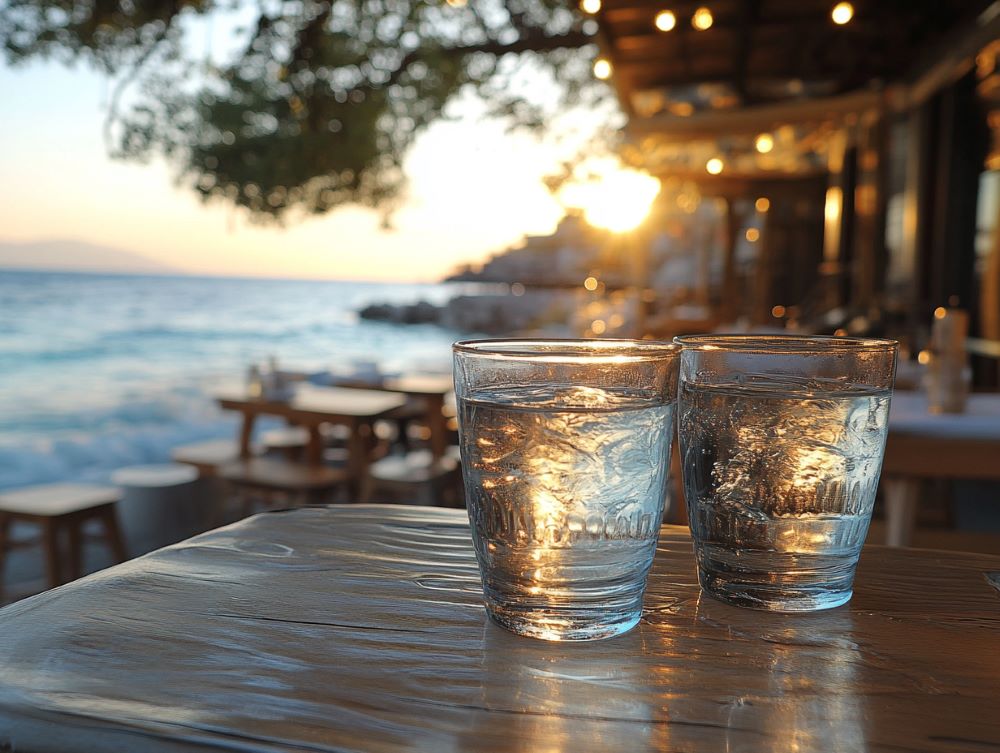
Pastis is traditionally served diluted with water. When cold water is added, the liqueur turns into a cloudy drink, thanks to the so-called “louche” effect, caused by the essential oils of anise. The most common ratio is 1 part Pastis and 5 parts water, but it can vary depending on personal taste.
Cocktails with Pastis
Pastis is not an easy ingredient to use, it has a tyrannical taste and an overpowering aromatic charge, so it is rare to see it mixed around. However, some drinks can be found.
Le Perroquet: Pastis, mint syrup and cold water.
La Tomate: Pastis, grenadine syrup and water.
Pastis Sour: Pastis, lemon juice and sugar syrup.

