
Unveiling Passito di Pantelleria: Sicily’s Amber Nectar of the Mediterranean
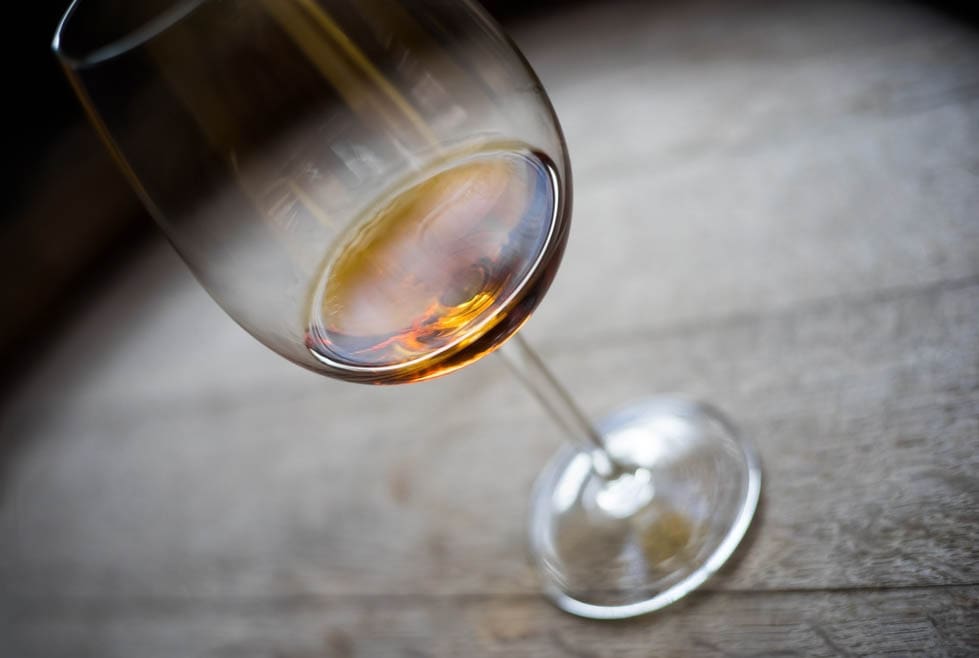
Passito di Pantelleria Wine Guide: Zibibbo, Sun-Dried Grapes and Sicily’s Great Mediterranean Sweet Wine
SEO Title: Passito di Pantelleria Guide: Zibibbo, Flavours, Pairings and Best Producers
Meta Description: Sun-dried Zibibbo, volcanic soils and relentless wind create a Passito of apricot, citrus, herbs, salt and extraordinary concentration.
Focus Keyword: Passito di Pantelleria
Passito di Pantelleria is sweet wine without the soft edges. Yes, there is concentration—sometimes enormous concentration—and the glass can smell of dried apricot, candied orange, dates, honey and saffron before it reaches your lips. But the wines that matter have another side: bitter citrus, Mediterranean herbs, acidity, saltiness and enough phenolic grip to stop all that sugar from becoming exhausting.
That tension is what separates great Passito di Pantelleria from generic dessert wine. It is produced on a small volcanic island between Sicily and Tunisia from Zibibbo, the local name for Muscat of Alexandria, cultivated under conditions that border on agricultural hostility: scarce rain, relentless wind, intense sun, steep terraces and vineyards so low to the ground that they sometimes seem pressed into the black volcanic earth.
The grapes are partly or entirely dried in the sun before fermentation, concentrating sugar, flavour and acidity. Yields collapse, labour multiplies and the finished wine becomes expensive almost by definition. The best examples justify it. Few sweet wines taste so unmistakably Mediterranean.
The Basics
- Wine: Passito di Pantelleria DOC
- Country: Italy
- Region: Sicily
- Island: Pantelleria
- Grape: 100% Zibibbo – Muscat of Alexandria
- Style: Naturally sweet wine from sun-dried grapes
- Vine training: Traditionally alberello pantesco
- Soils: Volcanic
- Maximum grape yield: 10 tonnes per hectare
- Maximum fresh grape-to-wine yield: 40%
- Minimum natural grape alcohol: 12% potential alcohol
- Minimum total alcohol at release: 20% vol., with at least 14% actual alcohol
- Minimum total acidity: 4 g/l
- Earliest release: 1 July following the harvest
- Typical bottle sizes: 375 ml and 500 ml; 750 ml also exists
- Serving temperature: 12–14°C
- Decanting: Not normally necessary
- Ageing potential: 10–20 years for serious wines; outstanding bottles can go considerably longer
- Typical price: Around €20–€40 for 375–500 ml; prestigious or mature bottlings can rise well beyond €50
Where Is Pantelleria?
Pantelleria sits in the Strait of Sicily, around 100 kilometres southwest of Sicily and considerably closer to Tunisia than to the Italian mainland. Geographically, culturally and sensorially, it feels like a border island: African heat, Sicilian tradition, Arab linguistic traces and a black volcanic landscape shaped by wind.
The island emerged from volcanic activity, and its vineyards grow on soils derived from lava, ash and other volcanic material. Rainfall is scarce—around 400 millimetres annually on average—and summer can pass for months with virtually no rain. Wind is even more defining, blowing across Pantelleria for most of the year.
That combination creates a brutal environment for viticulture. It also explains why the vineyard landscape looks unlike almost anywhere else in Italy. Stone terraces climb the slopes, dry-stone walls break the wind, and Zibibbo vines crouch close to the soil rather than reaching upwards on trellises.
Pantelleria does not produce concentrated grapes because someone decided that low yields were fashionable. Concentration begins with survival.
The Alberello Pantesco
The traditional alberello pantesco is one of the great pieces of Mediterranean agricultural engineering.
Instead of training the vine vertically, growers plant it inside a shallow basin and keep the branches close to the ground. The depression helps conserve scarce moisture, while the low profile protects shoots and bunches from the island’s persistent winds.
Every vine is shaped individually by hand. Mechanisation is extremely limited, particularly on terraced vineyards, so pruning, vineyard work and harvesting require enormous manual effort.
In 2014, UNESCO added the traditional agricultural practice of cultivating Pantelleria’s head-trained bush vines to the Representative List of the Intangible Cultural Heritage of Humanity. The recognition concerns the agricultural practice itself, not simply the wine.
That distinction matters. Alberello pantesco is not decorative folklore built for wine tourism; it is the technical answer generations of growers developed to make viticulture possible on this island.
Zibibbo: The Only Grape That Matters Here
Passito di Pantelleria must be produced entirely from Zibibbo, the Sicilian name for Muscat of Alexandria.
It is one of the most aromatic grapes in the Mediterranean. Even before fermentation, ripe berries can smell intensely of flowers, grapes, peach and citrus. That exuberance survives drying remarkably well, but the aromatic profile shifts as water evaporates from the berry.
Fresh Zibibbo leans towards orange blossom, jasmine, fresh grape, peach and citrus. Dried Zibibbo moves into apricot, candied orange, raisin, date, fig and honey, while the skins contribute a useful herbal and bitter edge.
This ability to preserve fragrance through dehydration is essential. Plenty of grapes can accumulate sugar when dried. Far fewer retain this much personality.
How Passito di Pantelleria Is Made
The essential process is deceptively simple: grapes are harvested and exposed to the sun so that part of their water evaporates. In practice, making serious Passito requires an enormous amount of selection and patience.
The current production rules require Passito di Pantelleria to come from grapes dried wholly or partly in the sun, either while still on the vine or after harvest. Drying, vinification and bottling must all take place on Pantelleria.
One traditional method divides the harvest. A portion of the Zibibbo is laid out to dry under the island sun, while another portion is fermented as fresh must. The dried berries can then be added progressively to the fermenting wine, bringing concentrated sugar, aromas and extract while fermentation continues around them.
Different producers adjust harvest timing, drying duration, fermentation and ageing to their own style. Some chase almost voluptuous apricot and honey; others deliberately preserve more bitterness, herbal character and oxidative complexity.
The discipline is restrictive where it matters. Maximum fresh grape-to-wine yield is only 40%, or 4,000 litres per hectare at the permitted maximum vineyard yield. That gives some idea of how much raw fruit disappears in the process.
Sun Drying Changes Everything
Drying grapes does not simply make wine sweeter.
As berries lose water, every non-volatile component becomes more concentrated: sugar, acids, minerals, flavour precursors and phenolic material from the skins. Meanwhile, the fruit itself changes chemically, shifting from fresh peach and grape towards dried apricot, date, fig and candied citrus.
The concentration also makes fermentation harder. Yeasts are working in must with exceptionally high sugar levels, and fermentation naturally stops while substantial sugar remains.
This is why great Passito can simultaneously feel dense and surprisingly firm. Sugar supplies weight, but concentrated acids, bitter compounds from the skins and aromatic herbs keep the wine from behaving like syrup.
When those elements are missing, Passito becomes tiring very quickly.
What Does Passito di Pantelleria Taste Like?
A young, serious Passito usually begins with dried apricot, candied orange peel, date and raisin, followed by honey, saffron, fig and Mediterranean herbs. Depending on vineyard and production method, you may also find bergamot, rosemary, sage, dried flowers and a subtle iodine or saline sensation.
Texture varies enormously. Some wines are almost viscous, while others feel surprisingly agile despite very high sugar levels. The determining factor is not simply residual sugar but how that sweetness interacts with acidity, alcohol, bitterness and extract.
The finish is crucial. Great Passito should not end with sugar alone. Look for orange zest, dried herbs, almond skin and salt, sensations that clean up the palate and make another sip attractive.
With bottle age, the profile becomes darker and more complex. Apricot turns into date and dried fig; flowers become tobacco, saffron, tea, caramel and nuts. Mature bottles can move surprisingly close to the aromatic territory of old Madeira or oxidative Mediterranean wines while preserving the unmistakable Muscat perfume underneath.
Passito di Pantelleria vs Moscato di Pantelleria
The grape is the same, but the production method changes the wine dramatically.
Moscato di Pantelleria comes from fresh Zibibbo grapes and therefore puts fragrance first: fresh grape, orange blossom, peach and citrus dominate. The wine is lighter, more immediate and generally less concentrated.
Passito di Pantelleria requires sun-dried grapes. Drying pushes the profile towards apricot, fig, date, candied orange and honey while increasing body and concentration.
Moscato is the lighter expression of Zibibbo.
Passito is the island compressed into a glass.
Passito di Pantelleria Is Not a Fortified Wine
This is worth making clear because the richness often causes confusion.
Traditional Passito di Pantelleria DOC is not fortified. Its alcohol comes from fermentation, and sweetness remains because the must contains such enormous sugar concentration that fermentation stops before all of it can be converted into alcohol.
The DOC also contains a separate Pantelleria Passito Liquoroso category, where fortification is permitted and required under its own rules. That is a different wine.
If the label simply says Passito di Pantelleria, you are drinking naturally sweet wine from sun-dried grapes, not a Muscat-based equivalent of Port.
How Sweet Is Passito di Pantelleria?
There is no single residual-sugar level that defines the category stylistically, and individual producers vary substantially.
The richer examples can easily climb well above 150 g/l, while some celebrated wines approach or exceed the territory of 200 g/l in certain vintages. On paper that sounds almost absurdly sweet.
In the glass, the number tells only part of the story.
A wine with 190 g/l of residual sugar but strong acidity, bitter orange peel, herbs and dry extract can feel more balanced than a simpler wine with significantly less sugar. This is why judging Passito only by sweetness is useless.
Balance is the real metric.
Ben Ryé: The Modern Benchmark
Donnafugata Ben Ryé is the bottle that introduced an enormous number of international drinkers to Passito di Pantelleria.
Its style is generous and unmistakable: apricot, candied orange, honey, herbs and considerable sweetness, but with enough acidity and bitterness to keep the wine moving. The dried grapes are progressively added to fermenting fresh must, extracting an extraordinary quantity of aroma and sugar.
Current vintages generally sit around 14.5% ABV, and the standard 375 ml bottle currently sells in Italy for roughly €34–€36.
Ben Ryé is not the only great Passito, nor necessarily the most traditional, but it remains an extremely useful benchmark because the quality is consistent, distribution is relatively broad and the wine captures the luxuriant side of Pantelleria without losing freshness.
Marco De Bartoli and Bukkuram
If Donnafugata represents the internationally polished face of Passito, Marco De Bartoli takes the conversation deeper into Pantelleria.
The estate’s vineyards in Contrada Bukkuram include old alberello vines grown on volcanic terraces. Bukkuram Padre della Vigna is one of the island’s reference sweet wines, produced with tiny yields and a more contemplative profile of dried apricot, fig, herbs, caramel, tea and oxidative spice.
The De Bartoli approach is particularly useful because the winery treats Zibibbo as a serious wine grape in several forms, not simply raw material for dessert wine. Dry, skin-contact and Passito bottlings reveal completely different sides of the same variety.
Bukkuram is richer, rarer and generally more expensive than straightforward Passito, but it demonstrates how far the category can travel once ageing and concentration enter the picture.
Salvatore Murana
Salvatore Murana is another name that belongs in any serious discussion of Pantelleria.
Murana works with several individual vineyard areas and has produced Passito capable of exceptionally long ageing. Bottlings such as Martingana, Khamma and Turbè offer a less standardised look at the island, particularly when older vintages appear.
Mature Murana can move well beyond simple apricot and honey into dried fig, tobacco, coffee, spice and dark caramel while retaining Zibibbo’s aromatic fingerprint.
Older bottles can be expensive, but they are particularly valuable for understanding that Passito di Pantelleria is not automatically a wine to drink immediately after release.
Other Producers to Look For
Coste Ghirlanda deserves attention for a more artisanal interpretation of Pantelleria and a strong focus on vineyard character. Cantina Basile, Ferrandes and smaller island estates can also offer compelling wines, often in tiny quantities.
The number of producers matters less here than it does in a large denomination. Pantelleria is physically small, vineyard work is punishing and many growers operate on a scale closer to farming than industrial wine production.
For the adventurous buyer, small bottles from lesser-known estates are often where the category becomes most interesting.
Can Passito di Pantelleria Age?
Absolutely.
Good bottles can develop comfortably for 10–20 years, while great wines from strong producers and well-stored vintages can last significantly longer.
Young Passito is usually dominated by dried apricot, orange, flowers and honey. As it matures, those aromas shift towards date, dried fig, saffron, tobacco, caramel, tea, coffee and nuts. Colour moves from bright gold towards amber and eventually deeper mahogany tones.
The danger is not sweetness but oxidation. Poorly stored bottles lose aromatic precision and become heavy. Provenance matters increasingly once you start buying old vintages.
A well-cellared mature Passito, however, can be far more interesting than a young one.
Serving Passito di Pantelleria
Serve it around 12–14°C, not refrigerator-cold.
Excessive chilling suppresses Zibibbo’s orange, saffron and herbal aromas and makes the wine feel simpler. A little warmth also helps reveal the contrast between sweetness and bitterness.
Use a small tulip-shaped wine glass rather than a tiny liqueur glass. There is no reason to hide the bouquet.
Decanting is generally unnecessary. Mature bottles may benefit from gentle aeration in the glass, but aggressive decanting can strip delicate tertiary aromas.
A standard serving of 50–70 ml is plenty. This is concentrated wine, not something that needs to be poured like Pinot Grigio.
Food Pairings

Keep them simple and salty enough to handle the sugar.
Try Gorgonzola piccante, Roquefort, chocolate cupcakes, cheesecakes, ciambella, Tiramisù or chocolate salami.
But serious Passito di Pantelleria does not need dessert. One of the best pairings is simply the wine on its own at the end of dinner.
How Long Does an Open Bottle Last?
The combination of sugar, alcohol and concentration makes Passito relatively stable after opening.
Keep the bottle tightly closed in the refrigerator and expect it to remain in excellent condition for roughly three to four weeks, often longer. Allow it to return towards 12–14°C before serving.
How Much Does Passito di Pantelleria Cost?
Bottle size matters enormously, so comparing prices without checking volume is almost meaningless.
Entry-level or small-production Passito generally begins around €18–€25 for 375–500 ml, while more serious bottles tend to sit between €25 and €45.
Donnafugata Ben Ryé 2023 currently sells around €34 for 375 ml, equivalent to roughly €90 per litre. Mature or prestige wines from Marco De Bartoli and Salvatore Murana can move significantly higher, particularly when older vintages are involved.
A good 375 ml bottle at €25–€35 is not expensive when you consider the economics: manual viticulture, tiny yields, sun drying and a maximum conversion of only 40 litres of Passito from every 100 kilograms of fresh grapes.
This is one category where half bottles are not a marketing trick. They reflect how concentrated and costly the wine is to produce.
When Should You Drink It?
For maximum Zibibbo perfume, drink Passito within roughly three to seven years of harvest.
For greater complexity, wait.
Between ten and fifteen years, the best wines begin to exchange fresh floral and apricot aromas for date, tobacco, saffron and nuts. Beyond that, producer, vintage and storage become increasingly important.
There is no universal sweet spot. Ben Ryé can be spectacular while still young; older Murana or Bukkuram can be far more cerebral.
The useful question is not whether Passito should be young or mature.
It is which version of Pantelleria you want in the glass.

