
Ca’ del Baio Barbaresco Vallegrande 2015 Review: Old-School Nebbiolo with Serious Tannins and Plenty of Character

Not every Barbaresco needs expensive French oak, extravagant concentration or a celebrated critic’s blessing to make an impression. Ca’ del Baio Vallegrande 2015 belongs to the traditional school of Piedmontese winemaking, where Nebbiolo develops its personality through patient maturation in large barrels rather than elaborate cellar techniques.
Produced by the Grasso family in Treiso, this single-vineyard Barbaresco combines the generous ripeness of the 2015 vintage with firm tannins, considerable aromatic depth and a distinctly savoury character. Eleven years after the harvest, it has moved beyond its youthful intensity, although there is still enough structure to remind you that traditional Nebbiolo rarely gives everything away without a little resistance.
Vallegrande is also an interesting reminder that some of the Langhe’s most satisfying wines come from producers whose reputations have grown through decades of consistent vineyard work rather than international celebrity. It is a serious Barbaresco with a particularly appealing sense of place.
The Basics
- Producer: Ca’ del Baio – Grasso family
- Wine: Barbaresco Vallegrande
- Vintage: 2015
- Classification: Barbaresco DOCG
- Vineyard: Vallegrande MGA
- Region: Piedmont, Italy
- Production area: Treiso, Langhe
- Grape: 100% Nebbiolo
- Vineyard exposure: West
- Soils: Calcareous marl with sandy components
- Vineyard plantings: From the 1960s onwards
- Harvest: Early October
- Fermentation: Temperature-controlled stainless steel, with 7–15 days of skin contact
- Ageing: 24 months in large Slavonian oak casks, followed by 6 months in bottle
- Alcohol: 15% ABV
- Bottle size: 750 ml
- Serving temperature: 16–18°C
Ca’ del Baio: Four Generations of Nebbiolo Without the Grandstanding
Ca’ del Baio is one of those Piedmontese estates whose history is inseparable from the vineyards surrounding the family home.
The Grasso family’s roots in Treiso date to the late nineteenth century, when Giuseppe Grasso moved from Calosso and established the agricultural property that would eventually become the modern winery. His son Luigi continued developing the estate, planting vineyards and consolidating the family’s connection with the territory.
The decisive expansion came with Ernesto Grasso and his wife Fiorentina, whose family owned vineyards in some of Barbaresco’s most important areas, including Asili and Pora.
Ernesto understood the importance of individual vineyard identity long before single-cru Barbaresco became a major commercial phenomenon. In 1965, he began vinifying Vallegrande separately, treating the fruit from this hillside as something deserving its own identity.
That decision anticipated a development that would profoundly change the reputation of the Langhe: recognising individual vineyards as meaningful expressions of different growing conditions rather than blending everything into a single estate wine.
The family’s approach continued through Giulio and Luciana Grasso, with their daughters Paola, Valentina and Federica becoming increasingly involved in vineyard management, winemaking and the commercial development of the estate.
Today, Ca’ del Baio is particularly associated with its Barbaresco vineyards, including Vallegrande, Asili and Pora.
The estate does not follow one rigid winemaking formula. Different vineyards receive maturation regimes appropriate to their character, with some wines using smaller barrels and others remaining firmly attached to traditional large-cask ageing.
Vallegrande belongs to the latter category.
It is the family’s historic Barbaresco, a wine that places the character of Nebbiolo and its vineyard ahead of conspicuous oak influence.
That is an appealing philosophy, particularly in a region where increasing prestige has brought increasingly ambitious prices.
Vallegrande: The Family Vineyard That Became a Cru
Vallegrande lies in the municipality of Treiso, one of the principal villages of the Barbaresco denomination.
The vineyard surrounds the Ca’ del Baio property and occupies a west-facing hillside, where afternoon sunshine helps Nebbiolo complete its long ripening cycle.
Its soils are predominantly calcareous marl with a significant sandy component, part of the complex sedimentary geology that characterises this section of the Langhe.
These conditions are particularly interesting for Nebbiolo.
The grape requires an extended growing season, and the relationship between sunlight, soil moisture and autumn temperatures has a considerable influence on the development of its tannins.
Vallegrande generally produces wines with firm structure, considerable aromatic depth and a pronounced savoury dimension. There is a certain austerity to their personality, although this becomes increasingly attractive as the tannins soften with age.
The vineyard’s history is equally important.
Ernesto Grasso first bottled Vallegrande separately in 1965, decades before the official recognition of the Barbaresco geographical mentions in 1997.
The family subsequently developed additional vineyard selections, but Vallegrande retained its position as the estate’s most traditional interpretation.
Today, the site also produces a more ambitious Riserva Viti Vecchie, first made from the 2018 vintage.
The 2015 bottle reviewed here is the regular Vallegrande, not that later Riserva.
Its attraction comes from the relationship between traditional large-cask maturation and the particular structure of this vineyard. It has enough concentration to age seriously, but never attempts to imitate the more heavily extracted styles that became fashionable during the 1990s.
Nebbiolo and the Personality of Treiso
Few red varieties combine such relatively transparent colour with such formidable tannic potential as Nebbiolo.
The grape is responsible for both Barbaresco and Barolo, yet the wines can differ considerably in weight, aromatic development and structure.
Those differences are influenced by vineyard location, geological conditions, exposure, elevation and winemaking rather than by appellation names alone.
Treiso occupies the southern part of the Barbaresco production zone, with vineyards extending across a series of hills and valleys whose exposures and soils are far from uniform.
Some sites produce relatively fragrant, approachable Nebbiolo, while others deliver firmer tannins and wines that benefit from extended bottle ageing.
Vallegrande belongs to the more structured side of that spectrum.
Its west-facing exposure encourages ripening during the afternoon, while the calcareous and sandy soils contribute to the growing conditions that shape the wine’s balance.
In a generous vintage such as 2015, this relationship becomes particularly important.
The grapes reached considerable maturity, producing a wine with substantial fruit and 15% alcohol. Yet the tannins remained pronounced, giving the wine enough structural authority to develop over the following decade.
That combination explains much of Vallegrande’s appeal.
It is not a delicate, featherweight Barbaresco, but neither is it an oversized red constructed around extraction and new oak.
The wine belongs to a tradition in which Nebbiolo’s natural structure is respected rather than disguised.
The 2015 Vintage: A Warm Year with Plenty of Substance
The 2015 growing season in Piedmont was characterised by generally warm conditions, particularly during the summer.
After a relatively favourable spring, high temperatures accelerated grape development and encouraged substantial sugar accumulation. Rainfall and temperature differences varied between individual vineyards, making site selection and harvest timing particularly important.
For Nebbiolo, the challenge was preserving sufficient acidity while allowing its naturally abundant tannins to reach maturity.
The resulting vintage produced many generous, accessible wines, although some examples also displayed elevated alcohol and a relatively broad texture.
Ca’ del Baio Vallegrande 2015 reflects that generous character.
Its 15% alcohol gives the wine considerable warmth and substance, while the fruit concentration supports a substantial tannic framework.
Yet it would be misleading to describe this as an especially soft or immediately charming Barbaresco.
Even in a ripe vintage, Vallegrande retains a firm, slightly austere personality. The tannins are an essential part of its architecture, and the wine needs time for its components to become fully integrated.
Eleven years after the harvest, that relationship has become more harmonious. The original fruit concentration has acquired greater savoury complexity, while the structure remains sufficiently persistent to provide definition.
The 2015 is therefore especially interesting because it combines the generosity of a warm vintage with the more demanding character of its vineyard.
Winemaking: Two Years in Slavonian Oak, No Unnecessary Decoration
Ca’ del Baio follows a traditional approach for Vallegrande.
The Nebbiolo grapes are destemmed and fermented in temperature-controlled stainless steel tanks, remaining in contact with their skins for approximately 7–15 days.
This extraction period allows the producer to develop the wine’s colour, aromatic components and tannic structure without relying on exceptionally long macerations.
The wine subsequently matures for 24 months in large Slavonian oak casks.
This is one of the most important decisions in its production.
Unlike small new French barriques, large Slavonian oak vessels generally contribute a more restrained woody influence, allowing the wine to develop gradually without introducing conspicuous toasted sweetness.
The extended maturation helps soften the initial aggression of Nebbiolo’s tannins while preserving the distinctive aromatic character of the grape.
After two years in wood, Vallegrande spends another six months in bottle before release.
There is nothing revolutionary about this process, and that is precisely the point.
The producer relies on healthy fruit, controlled fermentation and patient ageing rather than elaborate cellar interventions.
In the 2015, the result is a Barbaresco whose structure remains prominent, but whose mature fruit and savoury development are not obscured by excessive oak.
Tasting Notes
Colour: Garnet red with transparent ruby reflections and a delicate brick-coloured rim.
Bouquet: Ripe cherry and dried raspberry introduce a mature, expressive nose, followed by rose petals, tobacco and liquorice. Notes of orange peel, undergrowth and a restrained balsamic suggestion add complexity. The aromatic profile is generous but retains a pleasant earthy austerity.
Palate: Full-bodied for Barbaresco, with substantial fruit, lively acidity and firm, persistent tannins. The texture has become more rounded with age, although there is still a distinctly dry grip through the middle palate. The alcohol contributes noticeable warmth, balanced by a savoury backbone and an attractive sense of freshness. The wine has considerable depth, but its structure is more commanding than silky.
Finish: Long, dry and persistent, with liquorice, mature fruit and a lingering tannic grip. A little alcoholic warmth accompanies the final savoury impression.
Our Verdict
Ca’ del Baio Barbaresco Vallegrande 2015 is a very good traditional Nebbiolo, distinguished by its mature aromatic personality, structural depth and the absence of intrusive oak.
Its strongest feature is the relationship between ripe fruit and firm tannins. The generous 2015 vintage gives the wine considerable substance, while the large-cask maturation preserves a recognisable Barbaresco identity.
At eleven years from the harvest, the wine has developed attractive secondary and tertiary nuances. The fruit remains expressive, but tobacco, dried flowers and earthy complexity now contribute more substantially to its character.
The tannins have softened, although they remain persistent enough to give the finish a slightly severe edge.
There are limitations, and the most obvious is the alcohol.
At 15%, Vallegrande is not particularly delicate. The warmth becomes noticeable towards the finish, occasionally competing with the wine’s otherwise attractive acidity and savoury precision.
The middle palate also has a degree of firmness that prevents the wine from achieving the effortless elegance of the finest Barbaresco crus.
But this is a question of refinement rather than fundamental balance.
Vallegrande has depth, personality and genuine ageing credentials. Its structure is coherent with the vineyard, and its mature character gives it considerably more interest than a straightforward young Nebbiolo.
A comparison with Ca’ del Baio’s Asili is particularly revealing. Asili generally pursues a finer, more fragrant expression of Nebbiolo, while Vallegrande emphasises tannic authority, earthy complexity and a more forceful structure.
Neither interpretation is automatically superior, although Asili often possesses an additional degree of finesse.
Vallegrande, on the other hand, makes a strong argument for traditional Barbaresco without demanding the financial commitment associated with the region’s most prestigious labels.
At eleven years from the vintage, the 2015 is ready to drink. Its acidity and tannins should sustain several additional years of evolution, although the balance between mature fruit and structural firmness is already attractive.
Serve at 17°C in a generous Nebbiolo glass. A short, gentle decant is sufficient to separate any sediment, while extended aeration risks diminishing some of the more delicate mature aromas.
For a broader understanding of the region’s vineyards, traditions and distinctive wines, our Langhe guide provides a useful introduction to the territory that shaped this remarkable grape.
Ca’ del Baio Vallegrande 2015 is a serious, mature Barbaresco with considerable personality. Its warmth and persistent tannins prevent it from reaching exceptional refinement, but the combination of depth, traditional winemaking and convincing ageing potential makes it a rewarding bottle. One for Nebbiolo lovers who appreciate character more than cosmetic polish.
Price
€38.
Food Pairings
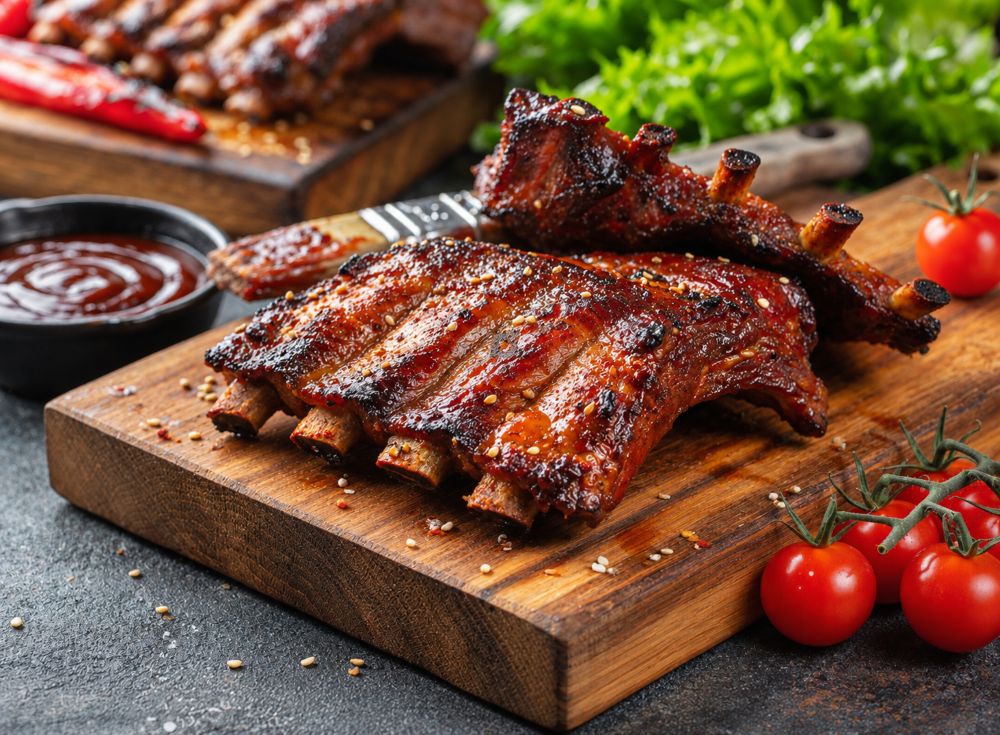
Paella, vitello tonnato, chicken curry, pulled pork, empanadas, hamburgers.

