
Retsina: From Tavern Infamy to Modern Marvel
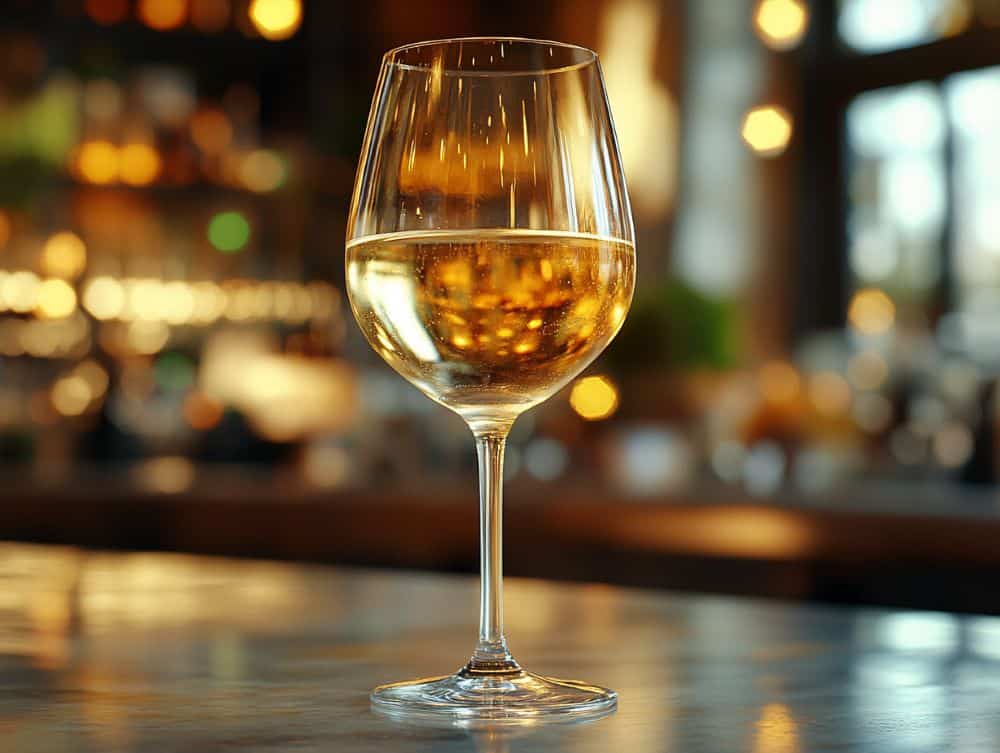
Retsina has a thousand-year history and, for many centuries, it was the symbolic wine of Greece, but in a negative sense. In fact, this industrial concoction in the past decades was of very low quality, light years away from being minimally drinkable. It was nice; it was a typical tavern drink that would get us drunk for a few drachmas, but there was nothing pleasant about it.
But the history is very old, we said. And in fact, the use of pine resin to preserve wine dates back to the dawn of time, when the Greeks sealed wine amphorae with resin to protect it from oxidation.
Today, the revival movement is exploding, changing everything on the table. Producers like Kechris and Gaia Estate have brought this tradition back into fashion, with particular attention to quality and the balance between grapes and resin, restoring dignity to this much-maligned drink.
With which vines is it produced?
Modern Retsina is produced mainly from indigenous Greek grapes such as Savatiano, Roditis, and Assyrtiko. The combination of these varieties with Aleppo pine resin gives it its characteristic aromatic profile. Savatiano is the most widespread and traditional grape, while Assyrtiko is used to provide structure and acidity.
Tasting notes
A sip of Retsina is a dive into the Mediterranean scrub: the nose is immediately struck by intense pine aromas, followed by notes of lemon peel, wild herbs, and green apples. On the palate, the wine is fresh with a light, almost saline flavor, and a persistent and balsamic finish. The acidity, especially in the Assyrtiko-based versions, balances the aromatic power of the resin.
Pairings
Retsina is the perfect wine to accompany traditional Greek cuisine. It pairs wonderfully with dishes rich in strong flavors such as grilled fish, olives, tzatziki, and souvlaki. Its fresh and aromatic taste is also ideal with spicy or garlic-based dishes, balancing the intense flavors.
How is it produced?
The production of Retsina requires special care in the management of the resin, which is added during fermentation and then removed before bottling. The wine is served cool, around 8-10°C, to best enhance its resinous and citrus notes.
Terroir and Service
The main production areas are around Athens and the Attica region, where the dry and sunny climate contributes to rich and aromatic grapes. However, interesting interpretations of Retsina can also be found in the northern regions and on the islands, with subtle variations in aromas and flavors.
Price
The cheapest bottles of Retsina are generally found starting from 5-7 euros, but premium versions, such as the famous “Tear of the Pine” by Kechris, can reach up to 20-25 euros. The high-end labels are distinguished by a more refined use of resin and greater complexity on the palate.

