
Côtes du Rhône-Villages: The Perfect Balance of Structure and Elegance
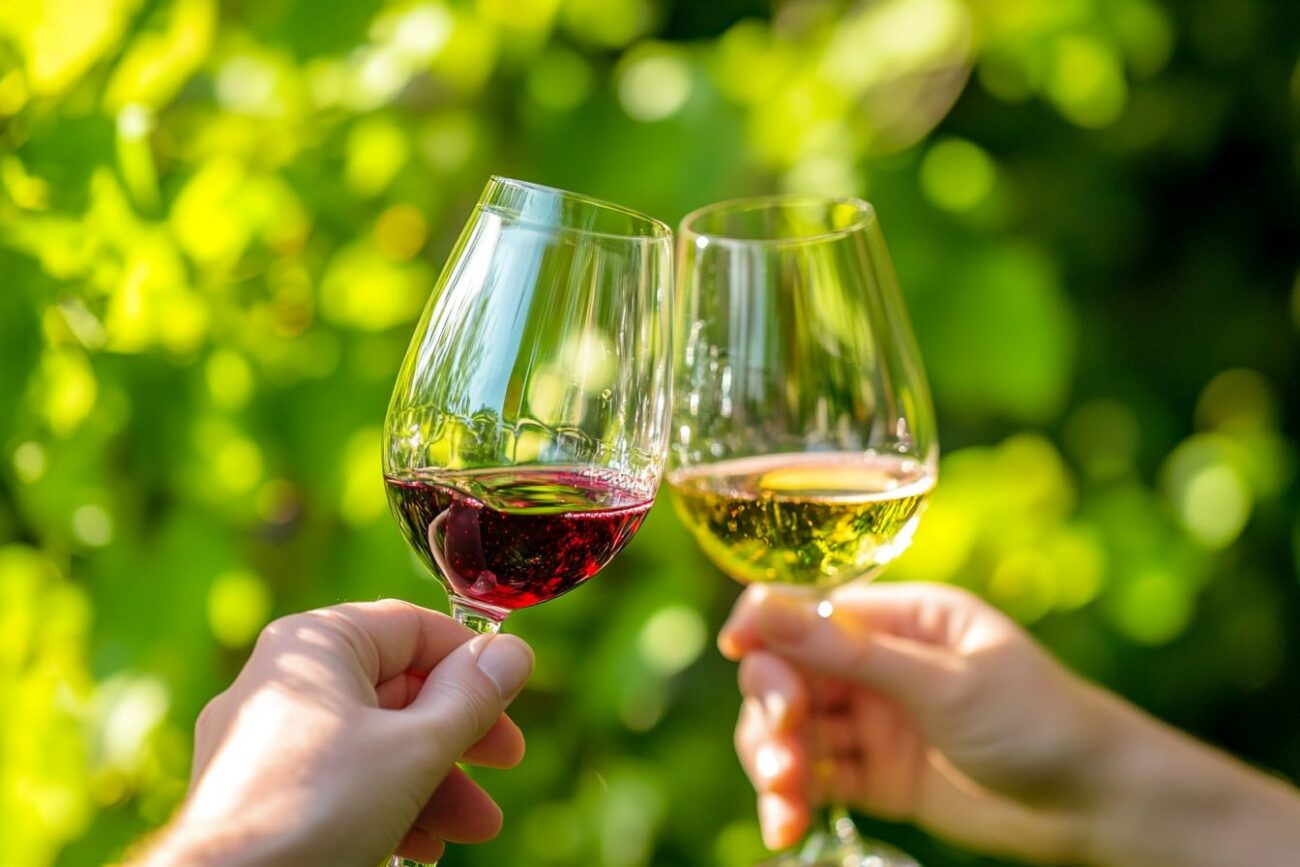
Côtes du Rhône Villages occupies one of the most useful positions in the French wine hierarchy. It sits above basic Côtes du Rhône but below the independent Crus such as Gigondas, Vacqueyras and Châteauneuf-du-Pape, offering tighter production rules, more restricted vineyard areas and, at its best, considerably more personality without the price inflation attached to the Rhône’s famous names.
That simple description, however, hides an appellation of considerable complexity.
There is Côtes du Rhône Villages without a geographical name, covering selected vineyards across the southern Rhône, and there are currently 21 geographical denominations allowed to append their names to the appellation. A bottle marked Côtes du Rhône Villages Séguret, Plan de Dieu or Visan is therefore making a more precise statement about origin than one simply labelled Côtes du Rhône Villages.
Grenache remains the central red grape, usually joined by Syrah and Mourvèdre, but soil, altitude and exposure can push the wines in very different directions. Some are warm, broad and packed with blackberry and garrigue; others become surprisingly fresh, floral and mineral.
For drinkers who find basic Côtes du Rhône too simple and top Rhône Crus increasingly expensive, this is one of France’s most rewarding hunting grounds.
The Basics
- Appellation: Côtes du Rhône Villages AOC/AOP
- Region: Rhône Valley, France
- Subregion: Southern Rhône
- AOC recognition: 1967
- Area: 95 communes
- Departments: Ardèche, Drôme, Gard and Vaucluse
- Vineyard surface in 2025: Approximately 8,019 hectares
- 2025 production: Approximately 238,000 hectolitres
- Red wine: Around 96% of production
- White wine: Around 3%
- Rosé: Around 1%
- Authorised grape varieties: 24
- Main red grapes: Grenache, Syrah, Mourvèdre
- Important secondary reds: Carignan, Cinsault, Counoise, Vaccarèse, Muscardin, Terret Noir
- Main white grapes: Grenache Blanc, Clairette, Roussanne, Marsanne, Viognier, Bourboulenc
- Climate: Mediterranean, strongly influenced by the Mistral
- Typical red body: Medium-full to full
- Typical alcohol: Around 13.5–15% ABV
- Ageing potential: Usually 4–10 years; top named-village wines can develop longer
- Serving temperature: 16–18°C for reds
- Typical price: Around €9–€15 for straightforward Villages; €12–€25 for good named-village wines; ambitious cuvées can rise beyond €30
What Does “Villages” Actually Mean?
The Rhône hierarchy can appear complicated, but the basic idea is straightforward.
At the broadest level sits Côtes du Rhône, covering a large production area and offering everything from inexpensive everyday reds to genuinely excellent wines.
Above it sits Côtes du Rhône Villages. Vineyards must fall within a more restricted geographical area and comply with stricter production conditions.
Then comes Côtes du Rhône Villages with a geographical name, where a specific recognised terroir can be printed after “Villages” on the label.
Above these are the independent Crus, appellations considered distinctive enough to stand entirely on their own. Gigondas, Vacqueyras, Rasteau, Cairanne and, since 2024, Laudun have all moved beyond the Villages category.
This hierarchy is not a perfect guarantee of quality. An exceptional Côtes du Rhône can outperform an indifferent Villages wine.
But as a general guide to geographical precision, it works.
How Côtes du Rhône Villages Developed
The Rhône’s modern appellation structure emerged gradually rather than appearing fully formed.
Côtes du Rhône itself received AOC recognition in 1937. Producers subsequently began pushing for a system that could distinguish particularly promising areas within the enormous regional denomination.
The first geographical distinctions appeared during the 1960s, and Côtes du Rhône Villages became an independent appellation in 1967.
The basic philosophy was simple: not every vineyard in the southern Rhône should be treated identically.
Selected communes with suitable soils, exposures and established reputations could operate under stricter rules. Particularly distinctive areas could then progress towards geographical-name status and, occasionally, eventually become independent Crus.
The system is therefore dynamic rather than frozen.
Cairanne graduated to Cru status in 2016.
Laudun followed in 2024.
That possibility of promotion gives the Villages category an unusual role: it is both an appellation and, in some cases, a testing ground for the Rhône’s future Crus.
The 21 Named Villages
Today, 21 geographical names can appear after Côtes du Rhône Villages:
Chusclan, Gadagne, Massif d’Uchaux, Nyons, Plan de Dieu, Puyméras, Roaix, Rochegude, Rousset-les-Vignes, Sablet, Saint-Andéol, Saint-Gervais, Saint-Maurice, Saint-Pantaléon-les-Vignes, Sainte-Cécile, Séguret, Signargues, Suze-la-Rousse, Vaison-la-Romaine, Valréas and Visan.
They are not stylistically interchangeable.
Plan de Dieu produces something very different from Séguret. Visan does not taste like Signargues. Altitude, limestone, clay, sand, galets roulés and exposure to the Mistral all change the balance of Grenache, Syrah and Mourvèdre.
That diversity is the main reason to move beyond the generic Villages label.
Grenache Is the Foundation
Grenache Noir remains the structural centre of red Côtes du Rhône Villages.
Current blending rules require red wines to contain at least two principal varieties, with Grenache compulsory, and Grenache, Syrah and Mourvèdre together must account for at least 66% of the final blend.
Grenache provides warmth, body and much of the fruit: strawberry, raspberry, cherry, plum and sometimes dried fig, accompanied by pepper, liquorice and Mediterranean herbs as ripeness increases.
It is particularly well suited to the dry southern Rhône climate because it tolerates heat and drought remarkably well.
Its weakness is acidity.
This is where Syrah and Mourvèdre become essential.
What Syrah Adds
Syrah changes both colour and structure.
It brings blackberry, violet, black pepper and firmer tannins, while generally supplying more freshness than Grenache. In cooler or higher vineyards, its role can become particularly important.
The result is often less obviously sweet-fruited and more floral.
In a warm Plan de Dieu blend, Syrah may provide the spine behind generous Grenache.
In elevated sites around Puyméras or Vaison-la-Romaine, it can play a much more aromatic role.
What Mourvèdre Adds
Mourvèdre needs heat to ripen properly and can be difficult in cooler years or exposures.
When it works, it brings something neither Grenache nor Syrah can quite replicate: dark fruit, game, pepper, earth, herbs and serious tannic depth.
It also improves ageing potential.
Mourvèdre becomes especially useful in richer wines where Grenache alone risks becoming too soft or alcoholic.
The classic southern Rhône trio works because each variety corrects something the others lack.
Carignan, Cinsault and the Forgotten Rhône Grapes
The supporting cast should not be ignored.
Carignan can bring acidity, dark fruit and rustic grip, particularly from old vines.
Cinsault is softer and more perfumed, useful for freshness and aromatic lift.
Then come varieties such as Counoise, Vaccarèse, Muscardin and Terret Noir, grapes that nearly disappeared from many modern blends but are increasingly valued as growers look for freshness and adaptation to hotter conditions.
The southern Rhône has never really been a three-grape region.
Grenache, Syrah and Mourvèdre simply became the most visible part of a much broader Mediterranean vineyard.
What Does Côtes du Rhône Villages Taste Like?
The classic red profile begins with black cherry, raspberry, blackberry and plum, followed by black pepper, liquorice and dried herbs.
The term garrigue appears constantly in southern Rhône descriptions because it genuinely fits many of these wines. Thyme, rosemary, lavender and other Mediterranean plants grow throughout the landscape, and similar herbal aromas can appear in the glass.
Warm sites give more fig, blackberry and liquorice.
Higher or limestone-rich vineyards produce brighter cherry, violet and pepper.
Age can introduce leather, dried herbs, tobacco and game.
Oak is generally less dominant than in Bordeaux or Rioja. Many of the best wines are matured in concrete, large old wooden vats or neutral barrels because preserving Grenache fruit matters more than adding obvious vanilla.
The Mistral
Few climatic forces matter more in the Rhône than the Mistral.
This strong northerly wind can tear through the valley for days, lowering temperatures, drying vineyard soils and reducing humidity around the grapes.
That last effect is particularly useful because fungal pressure drops rapidly when bunches remain dry.
Growers pay a price. The wind can damage young shoots and make vineyard work physically brutal.
Yet without the Mistral, the southern Rhône would be a significantly warmer and more humid viticultural environment.
It is one of the invisible ingredients in the region’s wines.
Galets Roulés Are Not Just for Châteauneuf-du-Pape
The famous rounded stones of Châteauneuf-du-Pape do not stop at the appellation border.
Similar galets roulés occur elsewhere in the Rhône, including important sectors of Côtes du Rhône Villages.
These stones absorb heat during the day and radiate it after sunset, while the underlying clay can retain moisture.
But the Villages appellation contains much more than stones.
There are limestone slopes, sandy terraces, clay, marl and gravel, often within relatively short distances.
That diversity explains why discussing Côtes du Rhône Villages as one terroir makes little sense.
Plan de Dieu: Power on the Stones
Côtes du Rhône Villages Plan de Dieu is one of the most recognisable named areas and produces only red wine.
The landscape is strikingly flat and covered with enormous quantities of rounded pebbles deposited by ancient river systems.
Grenache thrives here.
The wines are typically broad and warm, with blackberry, plum, liquorice, pepper and dried herbs. Alcohol can climb easily in hot vintages, so the best producers focus on maintaining freshness rather than chasing even greater concentration.
Plan de Dieu is a useful choice for drinkers who like the generous side of the southern Rhône.
Séguret: Altitude Changes Grenache
Séguret provides an almost opposite interpretation.
The vineyards rise around the Dentelles de Montmirail, and elevation creates cooler nights and slower ripening.
Grenache remains important, but the wines often show more red cherry, raspberry, violet and spice, with less obvious heaviness than hotter valley-floor sites.
Limestone contributes additional tension.
Séguret is one of the named Villages I would watch particularly closely because its better wines can offer some of the refinement associated with neighbouring Gigondas at substantially lower prices.
Sablet: Sand, Limestone and a Softer Rhône
Sablet sits close to Gigondas and Séguret but has its own personality.
Sandy and limestone-influenced soils can produce relatively supple wines, with red fruit, herbs and gentle spice rather than huge tannic weight.
The best reds combine Grenache warmth with enough freshness to remain extremely drinkable.
Sablet is also noteworthy because white wines can be excellent, particularly blends based around Grenache Blanc, Clairette, Roussanne and Viognier.
It remains surprisingly underpriced.
Visan: One of the Great Value Villages
Visan lies further north in Vaucluse, where elevation and cooler influences help preserve acidity.
The wines can be darker and more structured than Séguret, but the best examples still retain an attractive herbal freshness.
Expect black cherry, blackberry, thyme, pepper and liquorice.
Visan has long been one of the most dependable named villages for value because land prices and bottle prices remain modest compared with the Rhône Crus.
Serious growers can produce wine here that comfortably outperforms its appellation status.
Valréas: A Cooler Side of the Southern Rhône
Valréas belongs to the unusual Enclave des Papes, a Vaucluse enclave surrounded by the Drôme.
Vineyards can reach relatively high elevations, giving cooler nights and a noticeably fresher profile.
Syrah often performs particularly well.
The wines tend towards blackberry, violet, pepper and herbs, with less of the heavy fig character found in the warmest southern sites.
For drinkers who find Grenache-based Rhône reds too alcoholic, Valréas is worth remembering.
Massif d’Uchaux: Forest, Limestone and Restraint
Massif d’Uchaux is another red-only geographical denomination.
The landscape is more wooded and undulating than Plan de Dieu, with sandstone and limestone playing an important role.
The resulting wines can be surprisingly savoury, with black cherry, herbs, pepper and mineral tension rather than simple sweetness.
Massif d’Uchaux rarely receives much international attention, which is exactly why good bottles remain affordable.
Signargues: Warm Stones and Dense Reds
Signargues lies in the Gard and produces only red wine.
Its terraces contain rolled pebbles over clay, creating warm conditions particularly suited to Grenache and Mourvèdre.
The wines tend to be dark, ripe and structured, with blackberry, plum, liquorice and garrigue.
This is not usually the most delicate expression of Côtes du Rhône Villages.
When well made, however, it delivers impressive depth for the money.
Nyons: One of the Newest Names
Nyons joined the named Villages hierarchy relatively recently.
The area lies in the Drôme, farther north and at greater elevation than many classic southern Rhône vineyards.
The climate therefore combines Mediterranean sunshine with cooler continental and alpine influences.
This can translate into wines with brighter acidity, red fruit, violet and pepper, rather than the heavy sweetness sometimes associated with southern Grenache.
Nyons is particularly interesting in the context of climate change because its elevation gives growers more room to retain freshness.
White Côtes du Rhône Villages
Red dominates overwhelmingly, but ignoring the whites is a mistake.
Only around 3% of current production is white, making these wines relatively uncommon.
The principal grapes are Grenache Blanc, Clairette, Marsanne, Roussanne, Viognier and Bourboulenc.
Grenache Blanc brings body.
Clairette gives freshness and subtle bitterness.
Roussanne contributes flowers, pear and texture.
Marsanne adds weight and waxy notes, while Viognier provides apricot and perfume.
The best white Villages wines balance southern Rhône richness with enough acidity and phenolic bite to avoid becoming broad and tiring.
Look particularly towards Sablet, Séguret, Visan, Valréas and Saint-Maurice.
Côtes du Rhône vs Côtes du Rhône Villages
The difference is not simply a word on the label.
Basic Côtes du Rhône covers a much broader vineyard area and generally permits higher yields and more flexible production.
Côtes du Rhône Villages restricts origin more tightly and imposes stricter requirements.
In the glass, the difference tends to appear as greater concentration, firmer structure and clearer terroir character, although producer quality remains decisive.
A €9 Côtes du Rhône from an excellent grower can still beat a mediocre €15 Villages.
Appellation is a filter, not a guarantee.
Named Village vs Generic Villages
This is where buying becomes more interesting.
A generic Côtes du Rhône Villages can source grapes from qualifying vineyards across the appellation.
Add Séguret, Visan or Plan de Dieu to the label and the grapes must come from the defined geographical denomination with its additional production requirements.
The named wines therefore offer greater precision.
They are also usually only slightly more expensive.
For value-driven Rhône drinking, I would generally prioritise a strong named Village over an anonymous Villages bottling unless the producer of the latter is exceptional.
Côtes du Rhône Villages vs Gigondas
Gigondas usually gives more concentration, structure and ageing potential.
Its best wines possess a mineral and tannic backbone that most Villages wines cannot match.
But prices have risen.
A serious Séguret, Plan de Dieu or Visan can often cost half as much as a comparable Gigondas, and for drinking within five to eight years the qualitative gap can be much smaller than the price difference suggests.
Gigondas wins at the summit.
Côtes du Rhône Villages often wins at dinner.
Côtes du Rhône Villages vs Châteauneuf-du-Pape
Châteauneuf-du-Pape has greater historical prestige, broader permitted blending possibilities and a much higher ceiling.
It also carries dramatically higher prices.
Stylistically there can be overlap: Grenache, stones, herbs, warm alcohol and Mourvèdre all appear on both sides.
What normally separates serious Châteauneuf is concentration, old-vine material, depth and long ageing capacity.
But blind tasting can become uncomfortable for anyone who assumes appellation price determines quality.
A €20 Villages wine from a first-rate producer can be embarrassingly good.
Can Côtes du Rhône Villages Age?
Most bottles are designed for drinking relatively young.
Generic Villages usually performs best within three to six years, when Grenache fruit and garrigue are still vibrant.
Better named-village reds can comfortably develop for six to ten years.
Serious old-vine examples from Séguret, Plan de Dieu, Visan and other strong terroirs may go longer, particularly when Mourvèdre contributes additional structure.
With age, fresh cherry and blackberry turn towards dried fruit, leather, tobacco, game and dried herbs.
Still, this is not generally an appellation to buy and forget for twenty years.
Its great strength is earlier pleasure.
Food Pairings

The wines naturally belong with Mediterranean food.
Try red Côtes du Rhône Villages with lamb shoulder with rosemary, duck, grilled pork, beef stew or Provençal vegetable dishes. More powerful Plan de Dieu or Signargues can handle lamb kebabs, gnocchi with Bolognese, hamburgers, baked lasagna, truffle risotto, pasta Amatriciana.
For cheese, Tomme de Provence, aged goat cheese and Comté are reliable choices.
White Côtes du Rhône Villages is excellent with roast poultry, Mediterranean fish, scallops and dishes built around fennel or herbs.
Serving Côtes du Rhône Villages
Serve reds around 16–18°C.
Do not serve them at warm room temperature. At 21–22°C, Grenache alcohol becomes much more obvious and the wine loses definition.
Young structured wines benefit from 30–60 minutes of air, particularly when Mourvèdre or Syrah is prominent.
Whites are best around 10–12°C, slightly warmer than basic aperitif whites so that Roussanne, Grenache Blanc and Viognier can show their texture and perfume.
How Much Does Côtes du Rhône Villages Cost?
This is still one of the appellation’s strongest arguments.
Good generic Côtes du Rhône Villages often begins around €9–€12 in France, with serious examples around €12–€18.
Named Villages commonly sit between €12 and €25.
Old vines, low yields and prestige cuvées can push prices beyond €30, but once you reach €35–€40 the value equation becomes less obvious because strong Gigondas, Vacqueyras and other Crus enter the comparison.
The sweet spot is roughly €12–€22.
That is where Côtes du Rhône Villages becomes difficult to beat.
Producers to Know
Domaine de Mourchon
Based near Séguret, Domaine de Mourchon works high, terraced vineyards and produces reds with considerably more freshness than the stereotypical southern Rhône style.
Its better bottles show how altitude can give Grenache concentration without heaviness.
Domaine de Cabasse
Another useful Séguret reference, with vineyards around the Dentelles de Montmirail.
The wines tend to combine ripe red fruit, herbs and traditional Rhône warmth without excessive extraction.
Domaine de la Janasse
Best known for Châteauneuf-du-Pape, Janasse also produces excellent wines further down the Rhône hierarchy.
This is exactly the kind of producer to look for when buying regional appellations: serious vineyard and cellar work applied to less expensive fruit.
Domaine de l’Espigouette
A strong reference around Violès and Plan de Dieu.
The wines are generous and classically southern, with ripe Grenache fruit, pepper, liquorice and garrigue, while generally maintaining excellent value.
Domaine Jaume
Based around Vinsobres and the northern edge of the southern Rhône, the Jaume family produces several Rhône appellations.
Its Villages wines are useful examples of the fresher, more structured style possible in cooler sectors.
Domaine de la Présidente
A historic estate with holdings in Sainte-Cécile and neighbouring appellations.
The wines provide a traditional, accessible introduction to southern Rhône blends without excessive oak or stylistic manipulation.
Domaine La Soumade
Better known for Rasteau, La Soumade also demonstrates why buying downward from strong producers can be so rewarding.
Grenache remains rich and powerful, but the wines generally preserve enough structure to avoid becoming simply sweet and alcoholic.
The Best Villages to Start With
If you want power, begin with Plan de Dieu or Signargues.
For perfume and freshness, look towards Séguret, Valréas and Nyons.
For value and classic southern Rhône character, Visan is difficult to beat.
For something slightly less obvious, try Massif d’Uchaux or Saint-Gervais.
And if you find old labels carrying Côtes du Rhône Villages Laudun, remember that the appellation has moved on: from the 2024 vintage, Laudun is an independent Rhône Cru.
That is precisely how the hierarchy is supposed to evolve.
Why Côtes du Rhône Villages Is Such Good Value
The reason is partly psychological.
Consumers recognise Châteauneuf-du-Pape, Gigondas and increasingly Vacqueyras. Few walk into a wine shop specifically looking for Rousset-les-Vignes or Saint-Pantaléon-les-Vignes.
That lack of fame limits prices.
The vineyards, however, do not suddenly become poor because a famous appellation boundary ends a few kilometres away.
Some named Villages sit beside prestigious Crus, share similar geology and work with the same grape varieties under the same Mediterranean sun.
The difference in price can be enormous.
The difference in quality often is not.
Final Thoughts
Côtes du Rhône Villages is not one wine. That is its greatest strength.
Plan de Dieu gives you stones, heat and muscular Grenache. Séguret brings altitude and perfume. Valréas and Nyons push towards freshness, while Visan offers some of the most reliable value in the southern Rhône.
The appellation also captures something unusually useful about the French classification system: you can watch terroirs climb the hierarchy.
Cairanne did it. Laudun has now done it.
Others may eventually follow.
Until then, the smart move is to drink them before everyone learns their names.

