
Carignano del Sulcis: Sardinia’s Bold Red Rising from Ungrafted Vines and Windswept Sands
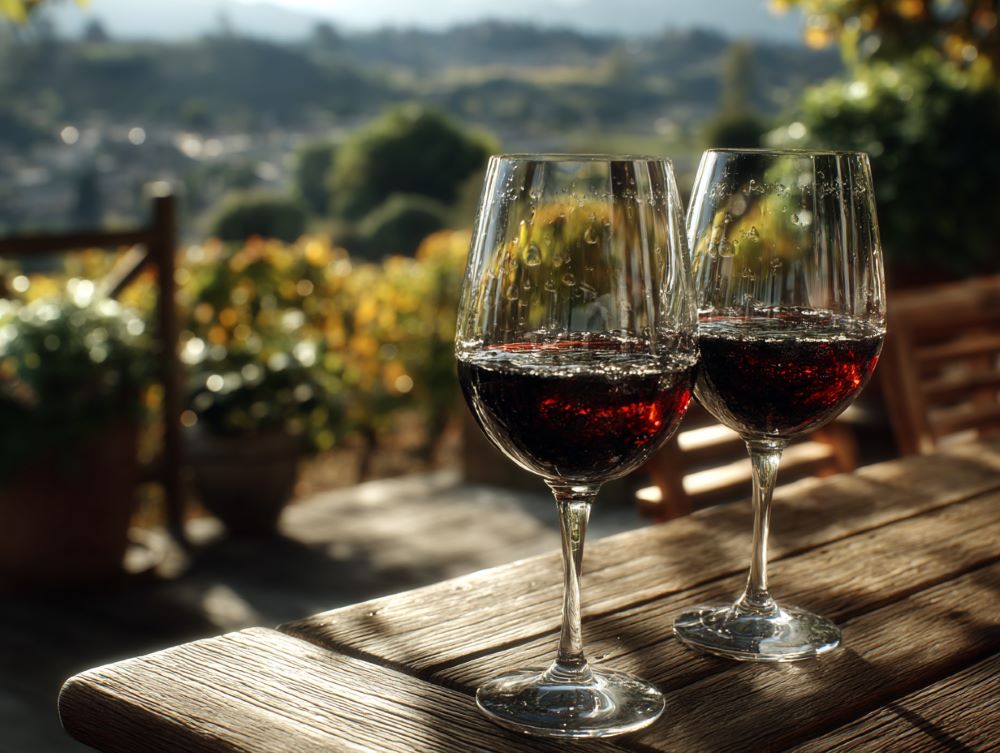
Carignano del Sulcis is one of Sardinia’s most distinctive red-wine identities because almost everything about it runs against expectation. The climate is hot, the light is intense, many vineyards sit close to the sea and the grape itself has a reputation elsewhere for rusticity, high yields and hard tannin. Yet in the Sulcis, particularly on deep sandy soils and among old alberello vines, Carignano can become remarkably supple, aromatic and long-lived.
The denomination occupies the extreme south-west of Sardinia, stretching across the historical Sulcis and including Santadi, Sant’Antioco, Calasetta, Sant’Anna Arresi, Teulada, Giba, Narcao, Carbonia and Carloforte among its principal areas. Here, sand, wind, low rainfall and maritime exposure have preserved a substantial patrimony of ungrafted vines, some of them extremely old, while the best producers have learned to combine concentration with freshness rather than simply pushing ripeness.
At its strongest, Carignano del Sulcis is not about brute Mediterranean power. The wines can show black cherry, plum, blackberry, Mediterranean herbs, liquorice, pepper, tobacco and balsamic notes, supported by tannins that are usually more polished than outsiders expect from the variety. The most ambitious versions, particularly Superiore and old-vine selections, can age for well over a decade.
The Basics
- Appellation: Carignano del Sulcis DOC
- Region: Sardinia
- Area: Historical Sulcis, south-west Sardinia
- DOC recognition: 1977
- Main grape: Minimum 85% Carignano
- Other permitted grapes: Up to 15% authorised non-aromatic red varieties
- Main styles: Rosso, Riserva, Superiore, Rosato, Novello, Passito
- Rosso minimum alcohol: 12%
- Riserva minimum alcohol: 12.5%
- Superiore minimum alcohol: 13%
- Maximum yield: 11 t/ha for standard styles
- Maximum yield, Superiore: 7.5 t/ha
- Superiore training: Alberello or supported alberello
- Riserva ageing: Minimum 2 years, including at least 6 months in bottle
- Superiore ageing: Minimum 2 years, including at least 6 months in bottle
- Passito minimum alcohol: 16%
- Typical body: Medium-full to full
- Tannin: Medium to medium-high
- Acidity: Medium
- Typical alcohol: Around 13–15%
- Typical aromas: Plum, black cherry, blackberry, herbs, liquorice, pepper, tobacco
- Best serving temperature: 16–18°C
- Ageing potential: 5–8 years for standard wines; 10–20+ years for top Superiore and old-vine bottlings
Where the Sulcis Begins
The Sulcis occupies the far south-west of Sardinia, between inland hills and the Mediterranean. It is one of the island’s hottest and driest wine territories, but its geography is more varied than a simple coastal description suggests.
The best vineyards range from sites almost at sea level to inland parcels where soils become firmer and limestone or clay becomes more evident. Exposure, proximity to the coast and soil depth all affect the style.
Nearer the sea, wines often show more immediate fruit, balsamic character and softer tannin. Inland, Carignano can become firmer, more vertical and more structured.
The denomination therefore contains several legitimate expressions rather than one single model.
Why Carignano Works Here
Carignano thrives in the Sulcis because it is naturally adapted to heat, drought and wind.
The variety can maintain production under severe Mediterranean conditions where more delicate grapes would struggle. Its naturally high vigour, which can become a disadvantage on fertile soils, is controlled here by sand, limited water and low-yielding alberello cultivation.
This is critical. Carignano has historically suffered from a reputation for producing rustic wines because in other regions it was often cropped heavily. Reduce yields and place the vine in poor soils, and the picture changes dramatically.
The Sulcis does exactly that.
The Importance of Sand
Sand is the defining soil of some of the denomination’s most distinctive vineyards, particularly around Sant’Antioco and the coastal sectors.
Deep sandy soils drain quickly, contain little organic matter and limit excessive vine vigour. They also allowed certain vineyards to survive phylloxera because the insect struggles to complete its life cycle in loose sand.
As a result, the Sulcis retains an unusually important population of piede franco, or ungrafted vines growing on their original European roots.
This is not merely romantic viticultural history. Old ungrafted vines often carry extremely low yields and can produce grapes with remarkable concentration without requiring extreme sugar levels.
The best wines from these sites combine density with unexpectedly fine tannins.
Ungrafted Vines: More Than a Marketing Story
The presence of piede franco vineyards is one of the genuinely exceptional features of Carignano del Sulcis.
In much of Europe, phylloxera forced vineyards onto American rootstocks from the late nineteenth century onward. The sandy soils of parts of the Sulcis interrupted that process and allowed original-rooted vines to survive.
Some of these vineyards are now many decades old, with particularly important concentrations on Sant’Antioco.
Ungrafted status does not automatically make a wine better. Vine age, farming, yield and cellar decisions remain more important than rootstock alone. What it does provide is access to a rare viticultural heritage that has disappeared almost everywhere else.
When combined with old age and low yields, the effect can be profound.
Sant’Antioco: The Historic Stronghold
Sant’Antioco is one of the most important places for understanding serious Carignano.
The island’s sandy vineyards preserve some of the denomination’s oldest vines, many trained as low alberello bushes and exposed directly to maritime wind.
This is where Carignano can produce its most delicate combination of concentration and softness. The fruit becomes ripe but not necessarily jammy, while tannins can be surprisingly silky despite the intensity of the wine.
Cantina Sardus Pater, based on the island, has long played a central role in maintaining this vineyard heritage through a cooperative structure built around local growers.
Sant’Antioco is therefore not simply another production zone. It is one of the denomination’s historical and viticultural anchors.
Calasetta
On the northern side of Sant’Antioco, Calasetta adds a particularly maritime expression.
Wind exposure is strong, soils can be extremely sandy and vines often sit low to the ground to protect themselves from the elements.
Carignano here tends to combine ripe red and black fruit with herbs, saline sensations and relatively supple tannin.
The wines can feel less massive than inland examples despite high ripeness.
The sea changes the balance more through temperature moderation and wind than through any literal transfer of “salt” into the berries.
Santadi
Santadi lies inland and has become one of the modern reference points for the denomination, largely through Cantina Santadi.
Soils become more mixed here, with sand, clay, limestone and medium-textured deposits all appearing. The greater distance from the immediate coastline can give wines more structure while still preserving the warm Mediterranean profile of the region.
This is where some of the denomination’s most famous wines were created, above all Terre Brune.
The success of Santadi changed the reputation of Carignano from rustic local red to serious age-worthy Sardinian wine.
Sant’Anna Arresi
The coastal area around Sant’Anna Arresi combines intense sun, wind and sandy soils and has become another important modern zone.
Cantina Mesa is the most visible producer here, using both alberello and more modern training systems across different Carignano bottlings.
The wines often emphasise ripe red fruit, Mediterranean herbs and spice with an accessible texture.
Higher-level bottlings show how the area can support both generous fruit and significant structure without losing freshness.
Carignano and Carignan
Carignano belongs to the same grape family known as Carignan in France and Cariñena or Mazuelo in Spain.
The grape is widespread across the western Mediterranean and has long been associated with hot, dry regions.
Its exact historical journey into Sardinia is more difficult to establish with certainty. Traditional accounts often connect the grape with ancient Mediterranean trade or later Spanish influence, but the historical evidence is less definitive than the mythology.
What matters more is that centuries of cultivation in the Sulcis created a local viticultural identity completely distinct from Languedoc Carignan or Spanish Cariñena.
The genetics may be shared.
The wine culture is not.
Why Carignano Had a Bad Reputation Elsewhere
Carignan became synonymous with quantity in parts of southern France during the twentieth century.
The vine is naturally vigorous and productive. On fertile soils and at high yields, it can produce wines with hard tannins, high acidity and limited fruit concentration.
That reputation followed the grape internationally.
The Sulcis reveals the other side.
Low yields, old vines, poor sandy soils and full phenolic maturity transform the variety. Tannins soften, fruit deepens and the herbal-spicy character becomes much more articulate.
Carignano is not inherently rustic.
It becomes rustic when farming asks it to produce too much.
Alberello
Traditional alberello training remains central to the identity of top Carignano del Sulcis.
The vine grows as a compact free-standing bush, keeping the canopy low and protecting fruit from intense wind and sun.
The system is labour intensive and difficult to mechanise, which makes it increasingly expensive to maintain.
Yet it is extraordinarily well adapted to the local climate.
The DOC Superiore explicitly restricts training to alberello or supported alberello, recognising how closely this form is tied to the denomination’s most serious expression.
Sea Wind
The Sulcis is windy.
This has several viticultural consequences. Air movement reduces humidity around bunches, limits fungal pressure and can moderate the temperature of exposed vineyards.
Wind also slows vegetative growth and can reduce berry size under severe conditions.
Near the coast, this contributes to wines that combine full ripeness with more freshness than latitude alone would suggest.
The popular language of “iodine” and “salinity” should be treated as sensory descriptions rather than literal evidence of sea salt entering the fruit.
The climatic effect of the sea is real.
The chemistry is more complicated than the metaphor.
Heat Without Automatic Heaviness
The region receives intense sunlight and can ripen Carignano easily.
That does not mean the best wines should feel hot.
Old vines, wind, low yields and sensible harvest timing can preserve enough freshness to balance 14% or more alcohol.
Poorer examples become jammy when growers wait too long or extraction is excessive.
The strongest wines use ripeness rather than displaying it.
This distinction explains why good Carignano del Sulcis can feel substantial without being exhausting.
What Does Carignano del Sulcis Taste Like?
The classic profile combines black cherry, plum and blackberry with liquorice, black pepper and Mediterranean herbs.
Warm vintages can move toward ripe plum and dark fruit, while old-vine wines often show more balsamic complexity.
With age, tobacco, cocoa, leather and dried herbs become increasingly important.
Tannins are usually more supple than the international reputation of Carignan would suggest.
The best bottles have enough acidity to keep the fruit defined through the finish.
Mediterranean Herbs
One of the most recognisable aspects of serious Carignano is its herbal character.
Laurel, juniper, myrtle and dried Mediterranean scrub often appear alongside black fruit.
These descriptors fit the aromatic environment of the Sulcis but should not be romanticised into a claim that nearby vegetation literally perfumes the berries.
They are part of the wine’s aromatic profile, produced by grape, fermentation and ageing.
Still, few wines feel more Mediterranean in sensory terms.
Tannin: The Sulcis Paradox
Carignano is naturally tannic, yet some of the finest Sulcis examples feel unexpectedly soft.
Several factors contribute.
Full phenolic ripeness reduces green, aggressive tannin. Old vines produce smaller yields and more balanced fruit. Sandy soils naturally limit vigour. Long ageing in wood can further polish structure.
The result is a wine with real grip but little harshness.
This is one reason Carignano del Sulcis can surprise drinkers familiar only with rustic southern French Carignan.
Rosso
Basic Carignano del Sulcis Rosso requires at least 85% Carignano and has a minimum alcohol level of 12%.
These wines are usually the most immediate expression of the denomination, often focusing on fresh cherry, plum, herbs and liquorice.
Some producers avoid wood entirely or use only neutral vessels.
Cantina Santadi’s Grotta Rossa, matured for several months in cement, illustrates how the grape can remain expressive without heavy oak.
Good Rosso should feel Mediterranean but agile.
Riserva
The Riserva category requires at least two years of ageing, including six months in bottle, and a minimum alcohol level of 12.5%.
Compared with basic Rosso, the wines usually show greater concentration and more cellar influence.
Oak is common but not compulsory in one single form.
The strongest Riserva wines preserve fruit and herbal detail rather than becoming dominated by vanilla.
Mesa’s Buio Buio is a useful modern example of the category.
Superiore
The Superiore category is the most demanding dry-wine classification within the DOC.
Maximum yield drops to 7.5 tonnes per hectare, the minimum alcohol rises to 13%, and vines must be trained as alberello or supported alberello.
The wine must age for at least two years, including six months in bottle.
This combination of lower yield and traditional training gives Superiore genuine regulatory meaning.
The category is not simply a stronger version of Rosso.
It is tied more closely to the viticultural model that made the denomination famous.
Terre Brune: The Wine That Changed the Region
Few wines are as important to modern Carignano del Sulcis as Terre Brune from Cantina Santadi.
Created in the 1980s under the influence of Giacomo Tachis, it demonstrated that old-vine Carignano could support serious extraction, French oak and long ageing without losing Mediterranean identity.
The wine is based primarily on Carignano with a smaller component of Bovale Sardo.
Much of the fruit comes from old ungrafted alberello vineyards on sandy soils near the sea.
It spends about 18 months in French barriques followed by substantial bottle ageing.
Terre Brune helped move the entire denomination into the conversation about serious Italian red wine.
Giacomo Tachis and the Modern Sulcis
The arrival of Giacomo Tachis at Cantina Santadi in the 1970s was a turning point.
His contribution was not simply introducing barrique.
More important was the shift toward lower yields, stricter grape selection and more precise harvest timing.
This was crucial because Carignano’s quality depends heavily on controlling productivity.
The resulting wines demonstrated that the grape could produce both concentration and elegant tannin.
The influence spread well beyond one cellar.
Cantina Santadi
Cantina Santadi remains the reference producer for understanding the denomination across several levels.
Grotta Rossa shows the approachable, cement-aged side of the grape. Rocca Rubia moves into more structured Riserva territory, while Terre Brune represents the benchmark Superiore.
This range is useful because it demonstrates how one variety changes with vineyard age, yield and ageing rather than relying on different grapes to create hierarchy.
Santadi also remains one of the key custodians of old ungrafted vineyard material.
Sardus Pater
Sardus Pater, based on Sant’Antioco, is another essential producer.
The cooperative draws on vineyards owned by local growers, including some of the island’s oldest Carignano vines.
Its importance goes beyond individual labels because it helps preserve a viticultural system that would be extremely difficult for small growers to maintain alone.
The best Sardus Pater bottlings show the island’s combination of old vines, sand and maritime exposure particularly clearly.
For terroir understanding, Sant’Antioco should be tasted alongside inland Santadi.
Mesa
Mesa, based near Sant’Anna Arresi, provides a more contemporary stylistic interpretation.
Buio offers an accessible introduction to Carignano, while Buio Buio Riserva adds greater concentration and ageing.
The estate also produces Gavino as a Superiore, pushing the grape toward a more ambitious expression.
Mesa tends to emphasise polished fruit, Mediterranean herbs and a clearly modern texture.
It is useful precisely because it does not taste identical to Santadi or Sardus Pater.
Agricola Punica
Agricola Punica operates in the Sulcis but approaches the territory through a broader blending philosophy.
Created with the involvement of Giacomo Tachis, Antonello Pilloni and Nicolò Incisa della Rocchetta, the project combines Sardinian and international viticultural thinking.
Carignano plays a central role but may be blended with other varieties depending on the wine.
This places Agricola Punica slightly outside the purest DOC Carignano narrative, yet it remains important to the modern reputation of the region.
Carignano vs Cannonau
Both are major Sardinian reds, but their structure is different.
Cannonau tends toward red fruit, herbs, softer tannin and higher apparent warmth.
Carignano generally gives darker fruit, firmer structure and more liquorice, pepper and balsamic notes.
Cannonau often feels more aromatic.
Carignano feels more architectural.
The comparison is useful because the two grapes reveal completely different sides of Mediterranean Sardinia.
Carignano vs Carignan from Southern France
Southern French Carignan can range from rustic cooperative wine to superb old-vine examples from places such as Corbières, Minervois and Roussillon.
At high quality levels, the overlap with the Sulcis becomes clear: dark fruit, herbs, acidity and firm tannin.
The difference often lies in texture.
Sulcis sand and full ripeness can produce remarkably polished tannins, while French examples on schist or limestone may feel more angular or mineral.
Neither style is inherently superior.
They show how dramatically the same grape responds to soil and farming.
Carignano vs Spanish Cariñena / Mazuelo
In Spain, the variety often appears as Cariñena or Mazuelo, depending on region.
Rioja traditionally uses Mazuelo as a blending component because of its acidity and structure, while Aragón preserves a stronger varietal identity.
Spanish versions can be firmer and more acidic, especially from continental climates.
Sulcis Carignano is generally warmer, softer and more balsamic.
The difference reflects climate more than genetics.
Carignano vs Syrah
Syrah and Carignano can both produce dark, spicy Mediterranean reds, but their aromatic structures are different.
Syrah brings blackberry, violet, black pepper and smoked meat.
Carignano leans more toward plum, black cherry, liquorice, herbs and balsamic tones.
Syrah usually has more immediate aromatic intensity.
Carignano often feels more savoury and earthy.
In the Sulcis, the softer tannins of old-vine Carignano create a texture quite distinct from powerful Syrah.
Wood Ageing
Carignano can handle oak extremely well when fruit concentration is sufficient.
French barrique became central to the modern prestige style after the success of Terre Brune.
Used intelligently, wood rounds tannin and introduces oxygen without masking the fruit.
Used excessively, it pushes the wine toward vanilla and chocolate at the expense of herbs and maritime freshness.
Modern producers increasingly calibrate oak more carefully.
The grape does not need perfume added to it.
It already has enough character.
Cement
Cement deserves more attention in Carignano.
It allows the wine to mature without adding overt oak flavour and can preserve black cherry, liquorice and herbal detail particularly well.
For younger Rosso bottlings, this often makes more sense than barrique.
The success of wines such as Grotta Rossa demonstrates that Carignano does not need wood to become serious.
Structure can come directly from fruit and vineyard.
Extraction
Carignano’s thick skins and tannin make extraction one of the critical cellar decisions.
Long maceration can produce impressive concentration, but the grape can become dry and aggressive if extraction exceeds fruit ripeness.
Modern winemaking tends to focus more on tannin quality than maximum colour.
This is especially important with old vines, where natural concentration is already high.
The goal should be depth without hardness.
Rosato
The DOC also includes Carignano del Sulcis Rosato, and the grape can make surprisingly serious pink wine.
Short maceration preserves fresh red berries and floral notes while maintaining enough structure for food.
Some higher-quality examples use fruit from ungrafted alberello vineyards and extended lees contact.
Santadi’s Froris demonstrates how pale colour, red fruit and significant freshness can coexist with a traditionally powerful grape.
Carignano Rosato deserves more attention than it receives.
Passito
The denomination also permits Passito.
Yields are limited to 7.5 tonnes per hectare, while grape dehydration must raise sugar concentration significantly before fermentation.
The style reaches at least 16% total alcohol, with a minimum of 14% actual alcohol.
Passito demonstrates the grape’s ability to maintain tannic structure even at high sugar concentration.
It remains niche, but it reinforces how versatile Carignano can be.
Can Carignano del Sulcis Age?
Yes, and the best examples age extremely well.
Basic Rosso is usually most attractive within three to six years.
Riserva can develop for eight to twelve years.
Top Superiore and old-vine wines such as Terre Brune can continue for 15–20 years or longer in strong vintages.
Bottle age transforms plum and blackberry into dried fruit, tobacco, leather and balsamic spice.
The tannins soften without disappearing entirely.
Why Old Vines Matter So Much
Old Carignano vines are not important simply because they are old.
They tend to produce naturally lower yields, smaller berries and more balanced vegetative growth.
In dry years, deep root systems also help maintain ripening when younger vines suffer.
This is particularly important in sandy soils where water drains rapidly.
The combination of old age, ungrafted roots and alberello training gives the Sulcis something extremely difficult to reproduce elsewhere.
Climate Change
Carignano is naturally adapted to heat, making it strategically valuable as Mediterranean regions warm.
Yet heat tolerance is not unlimited.
Extreme drought can shut vines down before ripening finishes, while excessively warm nights can reduce acidity.
The future of the denomination may therefore depend increasingly on old vines, deeper soils, less exposed sites and careful canopy management.
Carignano is resilient.
Resilience does not mean invulnerability.
What Makes Great Carignano del Sulcis?
Great Carignano needs concentration without heaviness.
Fruit should move through black cherry, plum and blackberry, supported by herbs, liquorice and spice rather than becoming jammy.
Tannins should remain present but polished, and alcohol should widen the palate without creating heat.
Oak, where used, should disappear into the wine rather than becoming a separate flavour.
The strongest examples also retain a savoury freshness that keeps the finish alive despite the warm climate.
What Makes Great Superiore?
Superiore should feel materially different from basic Rosso.
Lower yields and alberello training should translate into deeper fruit, more texture and greater persistence, not simply higher alcohol.
The best versions combine old-vine concentration with enough acidity to age.
This is where Carignano del Sulcis moves from regional red to serious cellar wine.
Power alone is easy in the Sulcis.
Balance is the real achievement.
Serving Carignano del Sulcis
Young Rosso is best around 15–16°C, while Riserva and Superiore generally show better around 16–18°C.
Serving warmer makes alcohol dominate and softens the wine’s freshness.
Young structured bottles can benefit from 30–60 minutes of air.
Mature wines need gentler handling, particularly if sediment has formed.
A medium-large red-wine glass gives enough space for the herbal and balsamic aromas to emerge.
Food Pairings
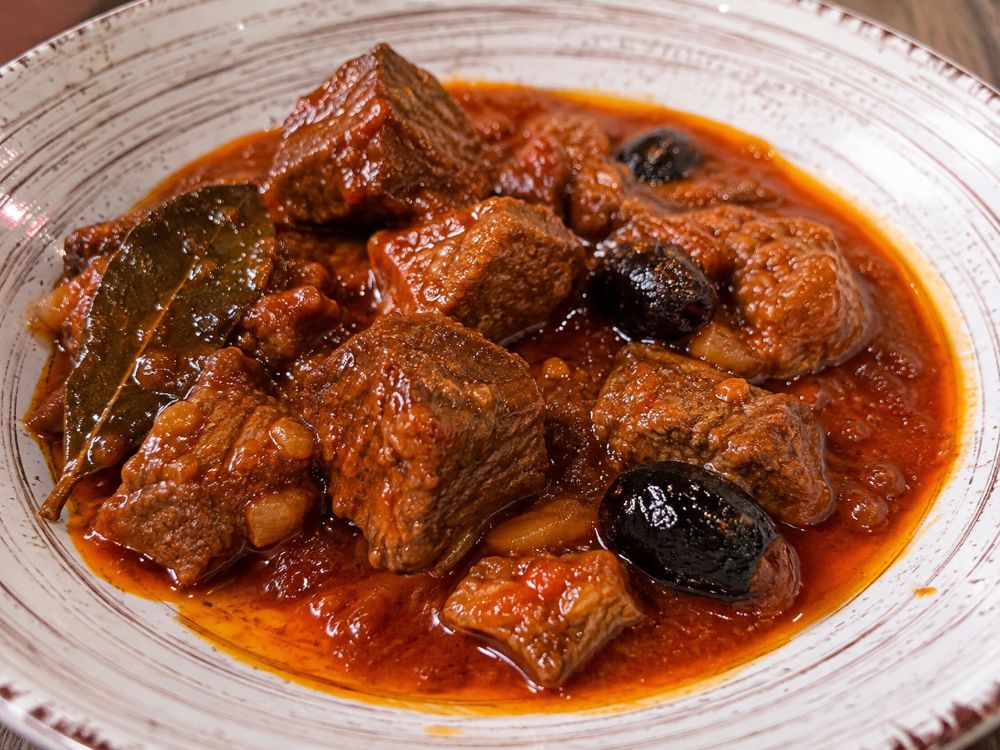
Keep the food substantial but not overly sweet. Roast lamb, grilled beef, wild boar, porceddu, braised meat and aged Pecorino Sardo are the obvious matches.
Carignano is also excellent with chargrilled tuna, especially richer belly cuts, because the wine has enough fruit and tannin without overwhelming the fish.
How Much Does Carignano del Sulcis Cost?
The denomination remains relatively affordable compared with more famous Italian red-wine regions.
Basic bottles such as Grotta Rossa or Buio often sit around €10–€15.
Better Riserva generally falls between €15 and €25.
Superiore and serious old-vine wines commonly move into the €25–€40 range.
Prestige bottlings such as Terre Brune typically sit higher, often around €35–€50 or more depending on vintage and market.
For the quality of vineyard material involved, this remains strong value.
Where the Value Is
The sweet spot is roughly €15–€30.
At this level, you can find genuine old-vine influence, meaningful ageing and substantial regional identity without paying for scarcity alone.
Riserva from Mesa, Santadi or Sardus Pater often performs particularly well here.
Above €35, the wines become more ambitious and age-worthy, but the qualitative difference depends heavily on producer and vintage.
Why Carignano del Sulcis Is Still Undervalued
The grape name lacks the immediate prestige of Nebbiolo, Sangiovese or Pinot Noir.
The region is geographically remote.
The appellation also suffers from Carignan’s old international reputation as a workhorse variety.
All three factors suppress prices.
Yet the vineyard material in parts of the Sulcis is extraordinary by any European standard.
Old ungrafted vines on deep sand close to the Mediterranean would be marketed as a luxury asset in many more famous regions.
Here they remain comparatively accessible.
The Future of the Denomination
The strongest future for Carignano del Sulcis lies in preserving old vineyards rather than replacing them with easier mechanised systems.
This is economically difficult because alberello vineyards require manual labour and produce modest yields.
Yet those same vineyards are the denomination’s greatest competitive advantage.
More transparent parcel selection, restrained oak and greater distinction between coastal and inland sites could make the region even more interesting.
The denomination does not need to imitate prestigious mainland reds.
Its strongest identity already exists in the sand.

