
Durif: A Grape with a Split Personality—Would You Survive the Tannins?
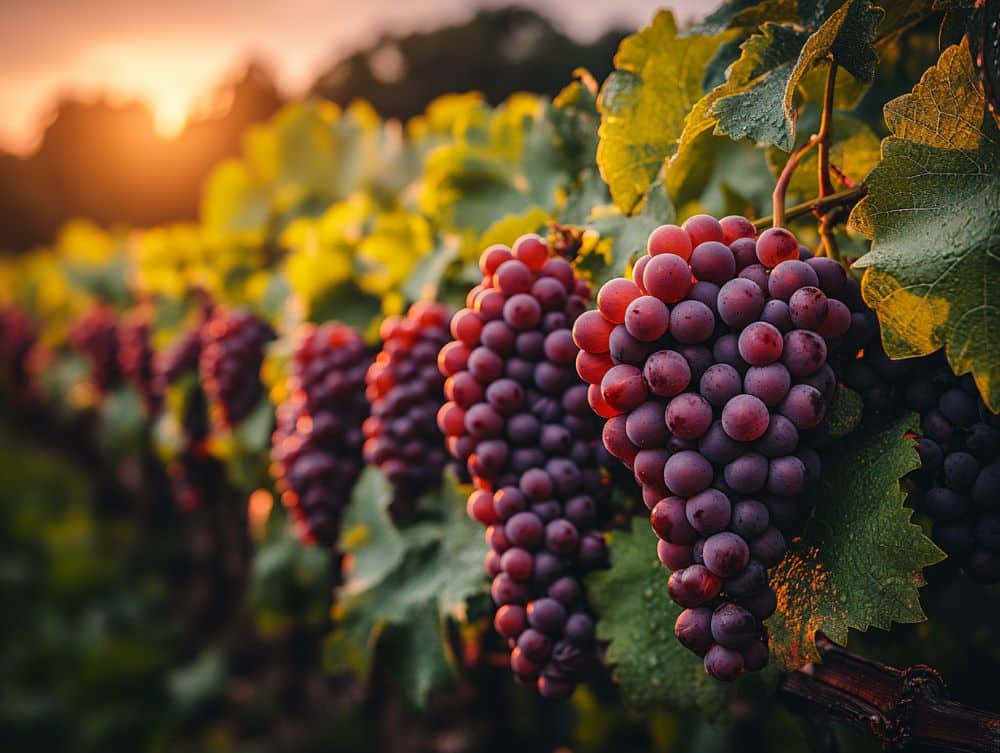
Not everyone knows that Durif is one of the most chameleonic and surprising vines in the world wine scene. Also known as Petite Sirah outside of France, Durif was officially born in the Rhone, but it is in the vineyards overseas—California and Australia above all—that it has found its second home and a new language. A wine of power, structure and spices, loved by those looking for body, tannins and personality.
The Basics
Name: Durif (also called Petite Sirah)
Category: Black grape variety
Origin: France, Crozes-Hermitage area (Drôme, Northern Rhône)
Extension: Less than 200 ha in France, over 4,000 ha between California and Australia
Synonyms: Petite Sirah, Plant Durif
Parents: Syrah x Peloursin
Areas: Rhône, Languedoc, South West; California (Sonoma, Mendocino, Napa), Australia (Victoria, Riverina), South Africa
Ripening period: Medium-late
Wine character: Very dark red, tannic, spicy, concentrated
Alcohol: 13–16%
Price: From 10 to 35 €/bottle
History and Origins
Durif was born by chance at the end of the 19th century in Drôme, in the nursery of botanist François Durif, who obtained it by crossing Syrah and Peloursin. It immediately stood out for its disease resistance and ability to produce deeply colored and structured wines, even in difficult years. In France, Durif was planted between the Rhône and Languedoc, but was soon abandoned due to its strong tannins and its tendency to produce “difficult” wines, often too rustic for the European palate of the time.
Its real fortune came in the New World: exported to the USA, Durif found a new glory in California and especially in Australia, where warm climates and rich soils tamed its character, giving rich, spicy reds with imposing but balanced tannins and an aromatic profile of plum, black pepper, licorice, chocolate, and mint.
In California, it takes the name of Petite Sirah (not to be confused with pure Syrah!), becoming a symbol of power and longevity between Sonoma, Mendocino, Napa, Paso Robles, and Central Valley. In Australia, it is the flag of areas such as Victoria and Riverina, where it finds more velvety and fruity expressions, often in blends or even alone.
Ampelographic Characteristics
The Durif vine is recognizable by its vigor, resistance to powdery mildew and botrytis, compact and small bunches, round grapes, and thick skin. The ripening is medium-late, which ensures the accumulation of sugars and aromas, but also wines with high acidity and a solid structure.
The leaves are large, trilobed, dark green; production can be high but must be managed to avoid wines that are too “hard.”
Organoleptic Characteristics
Pure Durif gives almost impenetrable wines, very dark purple in color, with aromas of ripe plum, black cherry, black pepper, licorice, bitter cocoa, Mediterranean herbs, and often a balsamic hint of eucalyptus or mint (especially in Australia). On the palate, it is powerful, tannic, structured, with lively acidity that makes it capable of aging for decades.
The best Durifs evolve towards notes of chocolate, tobacco, sweet spices, leather, and berry jam, maintaining freshness and an alcoholic thrust. When young, it can be “rough,” but with time it rounds out in the mouth, becoming surprisingly velvety and complex.
Terroir and Main Areas
In France today, Durif is very rare, used for blends or niche wines in the Rhône and the Southwest. In California, it is a star in Mendocino, Sonoma, Lake County, Napa Valley, Lodi, and Paso Robles: here, the warm and sunny climate allows for full ripening and wines of great concentration.
In Australia, it shines in Victoria (Rutherglen, King Valley), the Riverina, and South Australia, where it expresses itself on soils rich in clay, pebbles, and minerals, giving depth and flavor.
Price and Recommended Producers
Durif/Petite Sirah bottles range from €10 to €35, depending on area, age, and producer.
Eight names for true fans (between California and Australia):
- Bogle Vineyards (California)
- Stags’ Leap Winery (Napa Valley, California)
- Peterson Winery (Sonoma)
- Michael David Winery (Lodi)
- Clonakilla (Australia)
- All Saints Estate (Victoria)
- De Bortoli (Riverina)
- Campbells (Rutherglen)
Curiosity
Durif is genetically related to Syrah and Peloursin, but its aromatic profile and structure are unmatched. Some Californian vines of Petite Sirah are over a hundred years old! In France, the grape is making a comeback among natural winemakers for innovative blends and uncompromising wines. In Australia, it has become a “red flag” for character tastings.
Durif Foog Pairings

Durif’s sinewy, robust structure is perfect with succulent and fatty dishes. It is ideal with pulled pork, empanadas, hamburgers, filet Wellington. Also excellent with aged cheeses such as Cantal and pecorino di Moliterno.

