
Carignan Unmasked: The Mediterranean Grape Stealing the Spotlight from Blends to Bold Single-Varietals
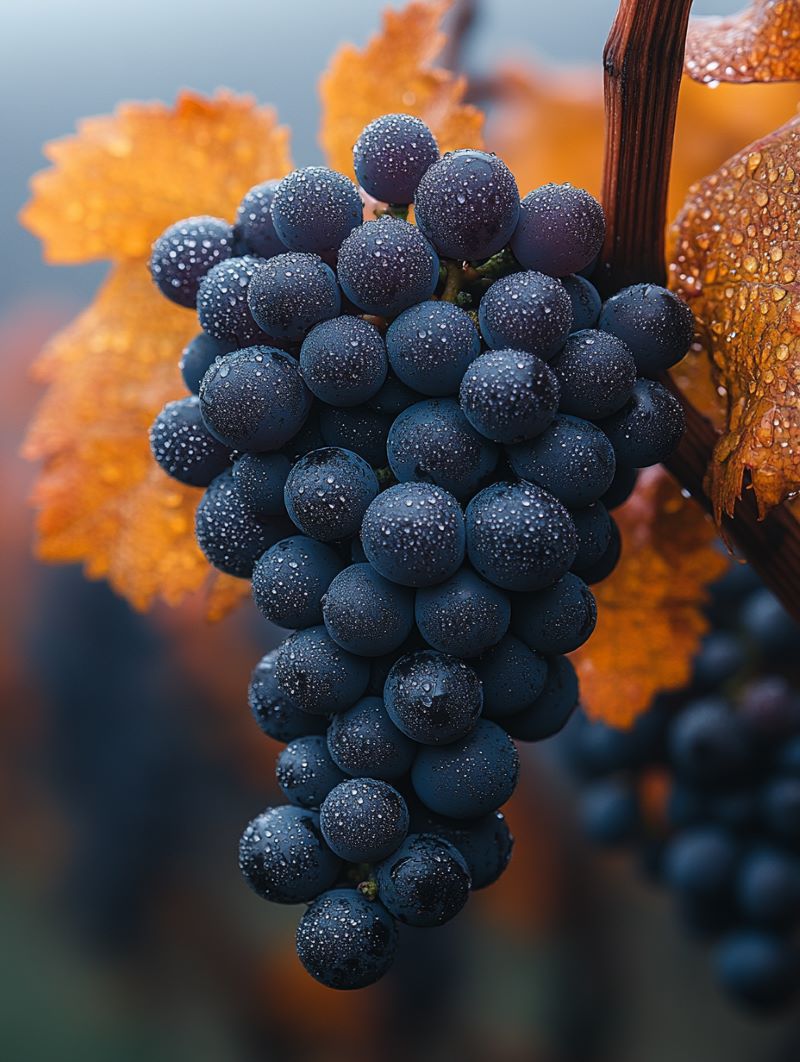
Carignan is the classic grape variety that everyone has drunk at least once, often without knowing it. For decades it has populated the vineyards of the Mediterranean, the (almost anonymous) protagonist of blends, everyday wines and rustic “blend” reds, full of sun and color. But today, thanks to a new generation of vignerons, Carignan has emerged from anonymity and is taking the stage with single-varietal wines that surprise with their character, freshness and depth. It is the great revenge of a popular variety, as loved by those seeking authenticity as by those who want to discover the wildest and most sincere side of the reds of the South.
The Basics
- Name: Carignan (Carignano in Italy, Cariñena in Spain, Mazuelo in Rioja)
- Production area: Southern France (Languedoc-Roussillon, Corbières, Minervois, Fitou), Spain (Aragon, Rioja, Catalonia), Sardinia (Carignano del Sulcis), Chile
- Vineyard area: Over 80,000 hectares worldwide (France, Spain and Chile are the main ones)
- Origin: Probably Aragon (Spain), now widespread throughout the Mediterranean basin
- Type: Red grape variety, rustic and productive
- Vineyard altitude: 100-600 m above sea level
- Climate: Mediterranean, hot, dry, windy
- Soil: Prefers poor soils, clay, schist, sand
- Profile: Medium-bodied wines, colourful, tannic, lively acidity, spicy and fruity notes
- Alcohol content: 12.5-14.5% vol.
- Appellations: AOC Corbières, Minervois, Fitou, Côtes Catalanes, DO Cariñena, DOC Carignano del Sulcis
- Style: Often blended with Grenache, Syrah, Mourvèdre; today increasingly sought-after in purity
- Serving temperature: 15-17°C
- Average price: 10-25 euros (top over 40 euros)
Origins, History and Diffusion
The roots of Carignan probably lie in Spain, between Aragon and Catalonia, where it is still known today as Cariñena or Mazuelo. In the Middle Ages, the vine conquered southern France, becoming the backbone of the blends of Languedoc-Roussillon and the Mediterranean islands. For decades it represented the “hard work” of farmers, because it was productive and resistant, ideal for blending wines and daily consumption. But the turning point came in the 2000s: selection of old vines, very low yields, careful vinification. Carignan, from a “mass grape,” becomes the protagonist of elegant, mineral reds, with surprising longevity and character.
In Italy, it finds its most famous expression in Sardinia (Carignano del Sulcis DOC), while in Chile it is the new star of the terroir reds of the Valle del Maule.
Ampelographic Characteristics
Carignan is a vigorous vine, capable of producing a lot if not contained in the vineyard. Large bunches, medium-small berries with thick skin, it resists drought and the hot winds of the Mediterranean well. It sprouts and ripens late: the late harvest, together with low yields, is the key to obtaining quality wines.
The older vines (even 80-100 years old in France and Sardinia) give more concentrated, aromatic and deep grapes, ideal for single-variety or high-quality blend vinification.
Organoleptic Characteristics
In the glass, Carignan is striking for its intense, often purplish color and aromas of ripe red fruits, cherry, plum, blackberry, accompanied by notes of spices (black pepper, licorice), Mediterranean scrub, aromatic herbs and sometimes mineral hints of graphite and wet earth. In the mouth it is lively, tannic, with a well-present acidity, medium body, often a rustic texture but also energy and cleanliness, especially if coming from old vines. The best examples also show a surprising freshness and persistence, far from the stereotypes of “jammy” Mediterranean reds.
Styles, Areas and Producers
Carignan was traditionally used for blends and cuts (Grenache, Syrah, Mourvèdre in France; Tempranillo in Spain), but today the pure wines are the most sought after by enthusiasts: they tell the story of the terroir, the hand of the vigneron and the vintage like few other reds from the South.
8 Top Producers to Mark
- Domaine Gauby (Côtes Catalanes, France): Iconic single varietals, depth and freshness
- Domaine Maxime Magnon (Corbières, France): natural, energetic, vibrant
- Domaine Léon Barral (Faugères, France): biodynamic, long-lived and pure wines
- Bodegas Paniza (DO Cariñena, Spain): archetypes of the territory, excellent quality/price ratio
- Cantina Santadi (Carignano del Sulcis, Sardinia): an absolute reference for elegance and longevity
- Tenuta Mesa (Sulcis, Sardinia): Carignano with great personality and modernity
- Garage Wine Co. (Valle del Maule, Chile): “garage wines” from old vineyards, energy and authenticity
- Alvaro Palacios (Priorat, Spain): prestigious blends, concentration and depth
Food Pairings

Carignan loves Mediterranean cuisine: perfect with roast lamb, stews, wild boar, beef stews, spicy sausages, rabbit cacciatore, pasta with mushroom sauce, ratatouille, vegetable couscous, rustic pizza, mature cheeses (Pecorino Sardo, Manchego, Comté).
Price and Market
Basic Carignans start at 10-12 euros, old vine selections and top cuvées can reach 30-40 euros and more, especially from iconic producers in France, Sardinia and Chile. In Spain, the DO Cariñena often offers some of the best value for money in the entire country.
The Big Quiz
Better pure or blended?
Both: the blend is the tradition, the single-varietal is the new frontier.
Carignan = Carignano?
Yes: same variety, different names depending on country and area.
Does it age well?
Yes, especially wines from old vines: 10-20 years for the best examples.
Only red?
Almost always yes, but there are also pink versions and some very rare white ones (mutation).

