
Cherry, Oak and Alba: Why Monriondo Is More Than a Softened Grappa

Barbera is usually discussed through acidity, dark cherry and immediacy in the glass. Marolo takes that same grape in a different direction with Monriondo, a grappa made from selected Barbera pomace from the Barbera d’Alba area and then matured in small oak barrels previously used for wine.
That ageing changes the spirit substantially. Instead of the sharp, crystalline style of an unaged Barbera grappa, Monriondo develops red fruit, vanilla, spice and a softer texture, while still keeping the dry finish and alcoholic definition that distinguish grappa from a liqueur. It is a very Piedmontese idea: take a grape known for freshness and energy, then see what remains after fermentation, distillation and wood.
The Basics
- Producer: Marolo – Distilleria Santa Teresa
- Spirit: Monriondo Grappa di Barbera
- Origin: Alba, Piedmont
- Raw material: Barbera pomace
- Source area: Barbera d’Alba
- Distillation: Discontinuous bain-marie pot stills
- Ageing: Barriques previously used for wine
- Alcohol: 40% ABV
- Bottle: 70 cl
- Colour: Amber with light reddish reflections
- Style: Dry, fruity, rounded and lightly oaked
- Price: Around €29–€32
Appearance
Warm amber with copper-red reflections. The colour is clearly shaped by wood ageing, but it remains relatively bright rather than dark or heavily extracted.
Nose
The nose opens with red cherry, plum and dried berries, followed by vanilla, light spice and a faint toasted note. The fruit remains recognisably Barbera-like in its darker register, while the oak adds warmth without turning the spirit into something sweet or confectionary.
With a little air, the profile becomes more complex, moving toward dried flowers, almond and a gentle vinous note. The most interesting feature is the way the red-fruit character survives the distillation and barrel phase rather than disappearing behind vanilla.
Palate
The palate is dry, rounded and fuller than a young white grappa. Cherry, plum and warm spice dominate the opening, while vanilla and a slight nutty tone appear through the middle.
The 40% alcohol gives enough structure to keep the spirit precise, but the barrel ageing softens the edges and makes Monriondo more immediately approachable than many traditional grappas. There is no residual sweetness, yet the combination of fruit and oak creates a naturally softer impression.
The balance is convincing because the wood never completely takes control. The spirit still tastes like grappa first and aged spirit second.
Finish
Medium-long, dry and warming, with red fruit, vanilla, almond and gentle oak spice. The finish becomes slightly more savoury as it develops, leaving a clean alcoholic warmth rather than caramel sweetness.
Serving
Serve at around 16–18°C in a tulip-shaped grappa glass.
Too cold and the red-fruit and vanilla notes flatten; too warm and the alcohol becomes more obvious. A few minutes in the glass are enough to open the spirit without needing dilution.
Food Pairings
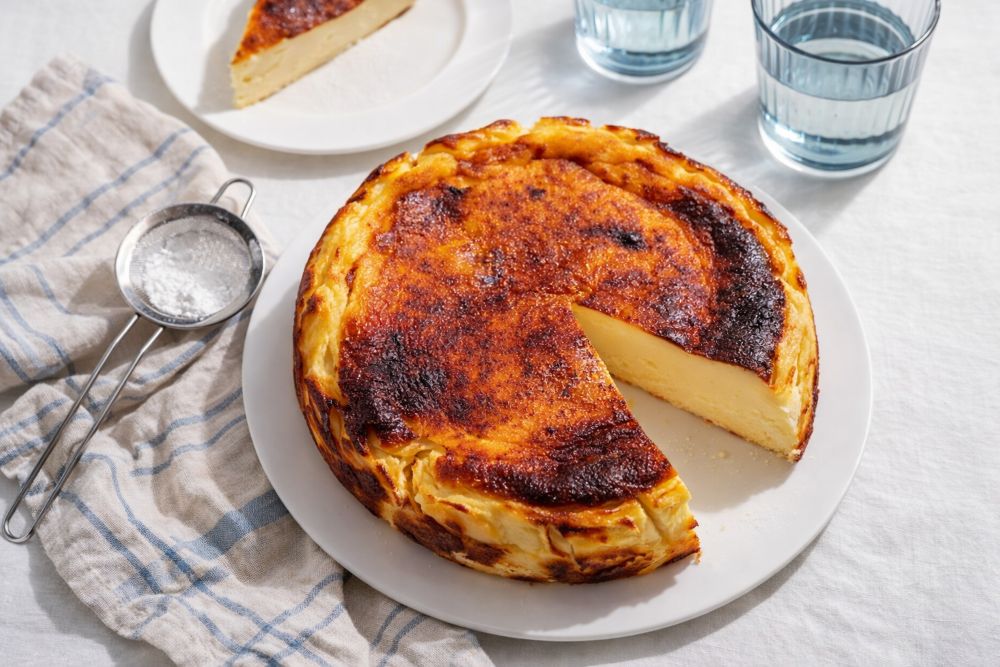
Monriondo works best with foods that echo its fruit and oak rather than fighting the alcohol. Try hazelnut tart with dark chocolate, roast pear with walnuts, or chestnut cake with cocoa.
For cheese, choose Castelmagno, Bra Duro and Parmigiano Reggiano 36 months. Their salt and nuttiness fit the grappa’s dry structure and lightly toasted character.
Price and Value
Current Italian pricing sits around €29–€32 for 70 cl, which is very reasonable for an aged varietal grappa from an established Piedmontese distillery.
What Defines Monriondo
The key is the contrast between Barbera’s naturally vivid fruit and the rounding effect of used barriques. Cherry and plum give the spirit energy, while vanilla and spice broaden the middle of the palate.

