
La Trappe Dubbel: Dates, Caramel and the Dry Edge That Keeps This Trappist Classic Alive

La Trappe Dubbel is easy to underestimate because nothing about it is extreme. It does not have the alcoholic force of a Quadrupel, the pale spicy lift of a Tripel or the roasted intensity of a stout. What it does have is balance: dark malt, dried fruit and caramel are given enough sweetness to feel generous, while lively carbonation and a lightly bitter finish prevent the beer from becoming heavy.
It is brewed at Koningshoeven Abbey in Berkel-Enschot, where Trappist brewing began in 1884, and remains one of the clearest examples of the Dutch interpretation of Dubbel. The recipe uses Munich, pale and caramel malts alongside hops, yeast and glucose syrup, followed by bottle refermentation. At 7% ABV, it has enough strength to develop real malt depth without moving into the warmer, denser territory of La Trappe Quadrupel.
The Basics
- Brewery: La Trappe – Bierbrouwerij De Koningshoeven
- Origin: Berkel-Enschot, North Brabant, Netherlands
- Style: Trappist Dubbel
- Alcohol: 7% ABV
- Colour: 82 EBC
- Malts: Munich, pale and caramel malt
- Other ingredients: Water, glucose syrup, hops and yeast
- Fermentation: Top fermented
- Conditioning: Refermented in bottle
- Appearance: Mahogany with ivory foam
- Profile: Malt, caramel, dates, dried fruit, vanilla, honey, toasted chocolate
- Best serving temperature: Around 10–12°C
Appearance
Deep mahogany with ruby-brown highlights and a generous ivory head. The bottle conditioning helps create fine, persistent carbonation and a foam that remains more substantial than the beer’s dark colour might suggest.
Nose
Caramel malt arrives first, followed by dates, raisins and toasted bread, with vanilla and milk chocolate softening the darker aromas. There is a light honeyed character underneath, but the nose never becomes syrupy because the yeast contributes a faint spicy-fruity lift.
As the beer warms, dried fruit becomes more evident and the caramel moves toward toasted sugar and malt loaf rather than confectionery sweetness. This is where the beer gains most of its complexity; the aroma is comforting, but not simply sweet.
Palate
The opening is rounded and malt-driven, with caramel, brown bread and dried fruit supported by a soft honey note. Dates become particularly clear through the middle, accompanied by toasted chocolate and a faint nutty character.
What prevents the beer from becoming ponderous is its carbonation. The bottle refermentation gives the palate enough movement to cut through the malt sweetness, while restrained hop bitterness begins to appear toward the back. The 7% alcohol adds warmth without becoming a flavour in its own right.
The body is substantial but not massive, which makes La Trappe Dubbel easier to drink than many darker monastery-style beers. It has richness, but the beer remains composed rather than dense.
Finish
The finish moves gradually from caramel and dried fruit toward toasted malt and gentle bitterness, with a final impression of dates, cocoa and light spice. It is softer than a hop-driven finish but noticeably drier than the first sip suggests.
That shift is important. Without it, the caramel and honey could become tiring; instead, the beer closes cleanly enough to encourage another glass.
Bottle Conditioning Matters
La Trappe Dubbel is refermented in the bottle, which contributes both carbonation and a small amount of ongoing development. A fresh bottle emphasises malt, caramel and fruit, while some bottle age can soften the edges and move the profile toward deeper dried fruit and more integrated malt character.
This is not a beer that needs prolonged cellaring, but a year or two of correct storage is unlikely to hurt it. With greater age, freshness and carbonation eventually become more valuable than additional tertiary complexity, so there is little reason to treat ordinary bottles as collectibles.
Serving
Serve at around 10–12°C, warmer than a standard lager but not at room temperature. Too cold and the dried fruit and malt disappear; too warm and the sweetness and alcohol become more obvious.
A Trappist chalice or wide goblet gives the beer enough room to release its aromas while maintaining the foam. Pour most of the bottle steadily and decide whether to add the final yeast sediment according to preference: including it makes the beer cloudier and slightly more yeasty, while leaving it behind gives a cleaner malt profile.
Food Pairings
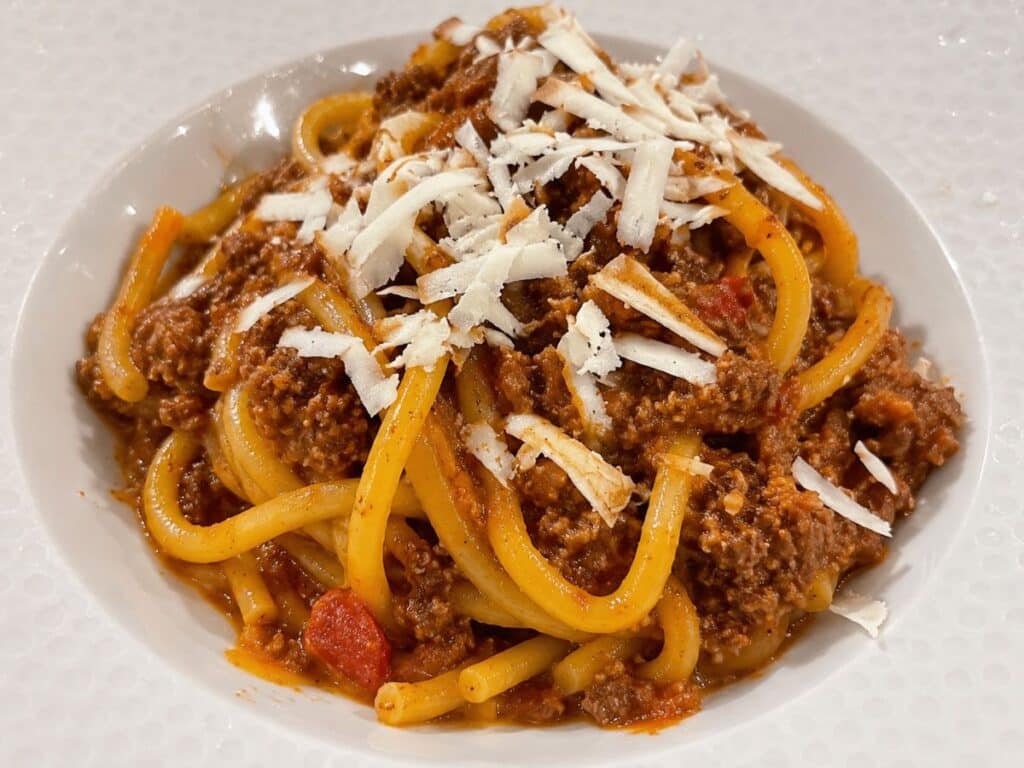
La Trappe Dubbel needs savoury dishes with enough caramelisation or slow-cooked depth to mirror its malt. Try Flemish beef stew with onions and dark beer, roast pork belly with baked apple and thyme, or duck leg braised with prunes and warm spices.
For cheese, choose aged Gouda, Chimay Grand Cru and Comté 24 months. Their nutty, salty flavours fit the caramel malt and dried-fruit character without making the beer taste sweeter.
Price and Value
La Trappe Dubbel remains unusually affordable for an authentic Trappist beer. Roughly €2.70–€3.60 for 33 cl, while a 75 cl bottle sells for about €6.50 in the Netherlands.
At those prices, value is excellent. The beer delivers bottle conditioning, genuine Trappist production and enough aromatic depth to reward slow drinking without pushing into premium craft-beer pricing.

