
Rakı: Why Turkey’s Anise Spirit Is Much More Than an Answer to Greek Ouzo
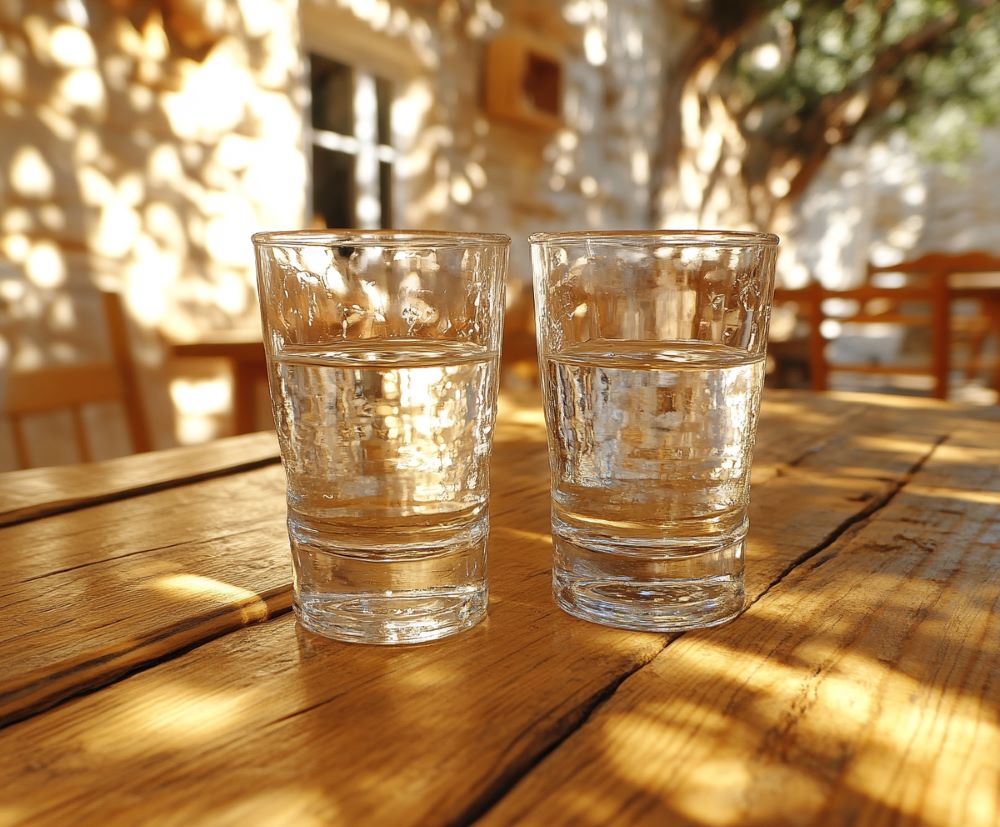
Few spirits are as closely connected to the rituals of a national cuisine as Turkish rakı. It is poured at family celebrations, served in Istanbul’s old taverns and enjoyed beside the Aegean Sea with grilled fish, white cheese, melon and small plates of meze. Its unmistakable anise aroma and milky appearance have made it one of Turkey’s most recognisable drinks, but reducing rakı to a stronger version of Greek ouzo overlooks its distinctive production methods and cultural history.
At its heart, rakı is a grape-based spirit redistilled with aniseed, traditionally in copper pot stills. The combination produces a powerful aromatic profile dominated by anise, with underlying notes of grapes, herbs, spice and delicate fruit. Water transforms the clear spirit into an opaque white drink, creating the appearance that earned it the nickname aslan sütü, or lion’s milk.
Unlike whisky, cognac or aged rum, rakı is generally not designed to be assessed in isolation from food. The way it is diluted, the temperature at which it is served and the dishes accompanying it are all central to its character. Understanding rakı means examining both the distillation process and the culture of the rakı sofrası, the Turkish table around which it is traditionally enjoyed.
The Basics
- Country: Turkey
- Category: Anise-flavoured distilled spirit
- Protected geographical indication: Rakı, registered in Turkey
- Alcohol: Minimum 40% ABV; commonly 45%, with stronger examples at 50%
- Principal ingredients: Grapes, aniseed and water
- Grape distillate: Suma, made from fresh or dried grapes
- Anise: Pimpinella anisum
- Distillation: Redistillation with anise in copper pot stills
- Minimum grape-derived alcohol: 65% of the alcohol charged into the final distillation
- Maximum copper still capacity: 5,000 litres
- Resting: At least one month before bottling
- Colour: Clear, turning milky white when diluted with water
- Typical aromas: Anise, sweet spice, grape, herbs and subtle floral notes
- Traditional service: With cold water, frequently alongside meze
- Most famous brands: Yeni Rakı, Tekirdağ, Efe, Kulüp, Altınbaş and Beylerbeyi
What Is Turkish Rakı?
Rakı is a traditional Turkish spirit produced by redistilling grape-derived alcohol with aniseed. Its defining flavour comes from the essential oils in the anise seeds, particularly anethole, a naturally occurring aromatic compound responsible for the characteristic sweet, liquorice-like sensation.
The grape component distinguishes rakı from spirits based primarily on neutral alcohol. It is not necessarily perceptible as an obvious fruit flavour, especially in highly aromatic expressions, but it influences texture, alcoholic structure and the balance between sweetness and spice.
The official definition permits a mixture of grape-derived suma and agricultural ethyl alcohol, provided that at least 65% of the alcohol entering the copper still comes from suma. Some premium expressions use 100% grape-derived alcohol, a distinction increasingly important to consumers comparing styles and producers.
Rakı is generally colourless, although certain expressions undergo a period in oak and acquire a pale golden tint. Most examples are bottled between 40% and 50% alcohol, with 45% remaining the classic reference strength.
The flavour may seem sweet because of the anise, but that aromatic sweetness should not be confused with the substantial sugar content of a liqueur.
The History of Rakı: From the Ottoman Empire to Modern Turkey
The origins of rakı belong to the broader history of distilled spirits in the eastern Mediterranean. Grape cultivation and fermentation were established in Anatolia long before the modern Turkish state, while distillation techniques developed through centuries of cultural exchange involving the Byzantine, Islamic and Ottoman worlds.
The exact moment when anise-flavoured grape spirit acquired its modern identity is difficult to establish. Early uses of the word rakı did not necessarily describe the precisely defined product found in shops today, and recipes evolved according to available raw materials, local customs and changing production techniques.
By the Ottoman period, distilled spirits were being produced and consumed in commercial centres such as Istanbul, İzmir and Thessaloniki. Greek, Armenian and Jewish communities played important roles in the operation of taverns and the manufacture and distribution of alcoholic beverages, although drinking traditions were never confined exclusively to one community.
Rakı gradually became associated with the meyhane, the traditional tavern where customers gathered for conversation, food and alcohol. This culture continued through the final decades of the Ottoman Empire and into the Republic of Turkey, even as government intervention transformed the industry.
The Rise of the State Monopoly
The formation of the modern Turkish Republic brought major changes to alcohol production. Legislation introduced in 1926 established a state-controlled system, followed by the development of larger, more standardised distilleries.
During the 1930s and 1940s, industrial production expanded, and the state monopoly eventually became closely associated with the name Tekel.
The introduction of Yeni Rakı in 1944 was especially important. Meaning “New Rakı”, the brand came to represent the standardised, widely available expression of the spirit and eventually became one of the most familiar names in Turkish drinking culture.
State ownership changed the scale and organisation of production. Modern equipment improved consistency, while commercial brands made rakı accessible across the country through a relatively uniform distribution system.
Tekel’s dominance lasted for decades, shaping the public perception of what rakı should taste like.
Privatisation and the New Generation of Rakı
The market began opening to private production following legislative changes in 2001. The privatisation of Tekel’s alcoholic-beverages operations in 2004 marked a decisive break with the previous system.
New producers entered the market, introducing variations based on grape selection, distillation cuts, alcohol strength and maturation.
Efe helped popularise rakı made entirely from fresh-grape suma, while other brands developed premium expressions emphasising the middle portion of the distillation, longer resting periods or greater concentration of grape character.
The emergence of these different styles has made modern rakı considerably more varied than its familiar anise aroma might suggest.
Protected Origin and Turkish Production Rules
Rakı has a registered Turkish geographical indication, recognised in 2009 and formally recorded in the Turkish geographical indication system.
Unlike denominations restricted to a single province or small agricultural district, the protected production area covers Turkey as a whole.
The legislation establishes specific requirements for raw materials, distillation and composition. Production must take place in Turkey, using grape-based suma and aniseed grown in the country.
Under the Turkish Food Codex updated in October 2026, at least 65% of the alcohol charged into the final distillation must be suma, and the distillation must take place with anise seeds in traditional copper stills holding no more than 5,000 litres. Rakı must contain at least 800 milligrams of anethole per litre, reach a minimum of 40% ABV and rest for at least one month before bottling.
These specifications distinguish rakı from a generic anise-flavoured spirit. They also help explain why distillation technique, the quality of the grape base and the selection of aniseed are so important.
The 2026 legislation includes a transition period for existing producers, with compliance required by July 2027.
How Rakı Is Made
The production process combines two principal elements: a grape distillate called suma and the aromatic properties of aniseed.
The basic sequence involves preparing the grape material, fermenting and distilling it to produce suma, redistilling that alcohol with anise, then resting, adjusting and bottling the spirit.
Although modern distilleries use sophisticated equipment, the defining final distillation remains tied to traditional copper stills.
1. Fresh Grapes and Raisins
Rakı can be made from fresh grapes, dried grapes or combinations of the two.
Fresh grapes provide fermentable sugars, water and grape-derived aromatic compounds. Raisins are more concentrated and require suitable preparation before fermentation.
The choice affects the composition of the resulting distillate and can contribute to differences in texture and aromatic character.
Modern premium expressions sometimes emphasise yaş üzüm, meaning fresh grapes, as a defining feature.
However, fresh-grape rakı should not automatically be considered superior to one made with raisins. Careful fermentation, distillation and blending remain fundamental.
2. Producing Suma
Suma is the grape distillate that forms the foundation of rakı.
The grapes are fermented to convert their natural sugars into alcohol. The fermented material then undergoes distillation, commonly using column equipment, to produce a grape-derived spirit.
Under Turkish regulations, suma must preserve characteristics associated with its grape origin and cannot be distilled above 94.5% alcohol.
That limit matters because very high rectification removes much of the volatile material responsible for the character of the original raw ingredient.
The finished suma may contribute subtle fruity, floral and fermented notes, although these can be partially masked by the much stronger aromatic impact of anise.
Its quality is essential. Anise can dominate the nose, but it cannot fully compensate for a harsh or poorly balanced underlying distillate.
3. The Importance of Aniseed
Rakı’s aromatic identity comes from the seeds of Pimpinella anisum, the annual plant commonly known as anise.
Turkey has a long tradition of anise cultivation, with important growing areas including the Aegean region and southwestern Anatolia.
The seeds contain essential oils rich in trans-anethole, the compound responsible for the characteristic sweet, warm, liquorice-like aroma.
Aniseed also contains smaller quantities of other volatile compounds that can contribute spicy, herbal and floral nuances.
The quality, freshness and concentration of the anise influence the balance of the final drink. Different seed selections can produce noticeable differences in aromatic intensity and persistence.
Anise should not be confused with star anise. Despite sharing a similar dominant aromatic compound, star anise comes from an entirely different plant, Illicium verum.
Turkish rakı is specifically associated with aniseed rather than a general mixture of anise-flavoured botanicals.
4. Redistillation in Copper Stills
The suma, or a permitted blend of suma and agricultural alcohol, is placed in copper stills together with aniseed for redistillation.
The process extracts and concentrates the volatile aromatic compounds from the seeds while refining the alcoholic mixture.
Copper plays an important technical role because it interacts with certain sulphur compounds that might otherwise create undesirable aromas.
The distiller must also manage the different fractions emerging during the process. The earliest and latest fractions can carry undesirable concentrations of volatile compounds, while the central portion is generally associated with a cleaner and more balanced spirit.
The precision of these cuts influences smoothness, texture and aromatic purity.
An extended or particularly selective distillation can create a more refined profile, although additional processing alone does not guarantee better quality.
5. Resting and Bottling
After distillation, rakı is allowed to rest before bottling.
The legal minimum is one month, but individual producers may use longer resting periods.
This stage allows the liquid to settle and helps integrate alcohol, water and aromatic components.
Most rakı is bottled without prolonged wood ageing, preserving its clear appearance and direct anise character. Some specialised expressions receive oak contact, adding colour, roundness and subtle woody notes.
The spirit is then bottled at its intended strength, commonly 45% ABV.
What Does Rakı Taste Like?
Anise is the dominant aromatic feature, but the best rakı offers considerably more than a simple liquorice flavour.
A classic example opens with sweet anise, fennel-like spice, subtle grape notes and a delicate herbal freshness. Depending on its production, the background may contain floral nuances, white fruit and gentle warmth.
The palate is full and aromatic, combining the apparent sweetness of anethole with the firmness of a relatively high-strength spirit.
Well-made rakı should feel rich without becoming syrupy. Alcohol is certainly present, but it should not produce an aggressively burning or solvent-like sensation.
The finish is typically long and strongly anise-driven, with spice and a faint herbal dryness lingering after the initial sweetness.
Water changes the experience considerably, softening the alcohol and bringing different aromatic sensations into focus.
Why Rakı Turns White When Water Is Added
The transformation from a transparent liquid to a milky-white drink is rakı’s most recognisable characteristic.
It occurs because of a physical phenomenon known as the louche effect, often called the ouzo effect in scientific literature.
Anethole dissolves readily in alcohol but has very limited solubility in water. In bottled rakı, the alcohol concentration is high enough to keep much of the anethole dissolved.
When water is added, the alcohol concentration decreases. The anethole can no longer remain fully dissolved and forms extremely small droplets dispersed throughout the liquid.
These droplets scatter light, creating the familiar cloudy appearance.
The process is a spontaneous emulsification rather than a chemical reaction that produces a new substance.
The same phenomenon occurs in Greek ouzo, Lebanese arak, French pastis and several other anise-flavoured spirits.
The intensity of the cloudiness depends on factors including anethole concentration, alcohol strength, temperature and dilution.
Why Turks Call Rakı Lion’s Milk
Rakı is often called aslan sütü, literally “lion’s milk”.
The nickname refers to its white appearance after dilution and its association with strength and courage.
The expression has become deeply embedded in Turkish popular culture, appearing in literature, music and everyday conversation.
There is nothing mysterious about the colour, but the transformation adds a theatrical quality to an otherwise straightforward drink.
The ritual of pouring rakı, adding water and watching the glass turn opaque is a familiar part of the Turkish table.
The Different Styles of Rakı
Rakı does not follow an internationally familiar age classification such as VS, VSOP or XO.
Instead, differences are commonly expressed through the grape base, distillation technique, use of wood and particular production choices.
Classic Rakı
The standard expression usually combines grape-derived suma with anise and is bottled at approximately 45% alcohol.
It tends to offer a direct, pronounced anise aroma and enough alcoholic structure to retain its character after dilution.
Yeni Rakı is the most recognisable example.
Fresh-Grape Rakı — Yaş Üzüm
Yaş üzüm rakısı highlights the use of fresh grapes rather than relying exclusively on dried grapes.
Such expressions can display a more delicate fruit background and a relatively elegant texture, although the final character remains strongly dependent on distillation.
The category gained considerable visibility after the arrival of Efe Yaş Üzüm Rakısı.
Göbek Rakısı
Göbek literally means belly or middle and refers, in rakı terminology, to the central portion of the distillation.
Brands using this designation emphasise selective fractioning intended to produce a cleaner, smoother or more concentrated profile.
There is no reason to assume that all products labelled Göbek taste alike. The cut points, grape base and anise balance still vary.
Oak-Aged Rakı
Some rakı expressions spend time in oak, introducing additional texture, vanilla and subtle woody or toasted notes.
Such bottles may appear pale gold rather than completely colourless.
The influence should remain subordinate to the spirit’s central grape-and-anise identity.
The Best Rakı Brands and Bottles to Know
The Turkish market includes established producers and newer premium labels. Each offers a different entry point into a category traditionally associated with a relatively consistent flavour profile.
Yeni Rakı
Yeni Rakı is the reference point for modern Turkish rakı.
Introduced in 1944, it became closely associated with Tekel and subsequently entered the portfolio now managed by Diageo Türkiye.
The classic bottling is 45% ABV and has a pronounced anise profile supported by a grape-derived base.
It remains an excellent introduction to the traditional style, particularly when served with cold water and food.
The range has expanded to include premium expressions such as Yeni Rakı ÂLÂ and Uzun Demleme, which explore different production and maturation approaches.
Tekirdağ Rakısı
Tekirdağ Rakısı takes its name from the Thracian city of Tekirdağ, overlooking the Sea of Marmara.
The brand is associated with fresh-grape production and a comparatively polished expression of the classic rakı profile.
The standard version is bottled at 45% ABV.
Its premium bottlings, including Tekirdağ Gold, demonstrate how resting and wood contact can add another dimension to anise-based spirits.
Tekirdağ is worth comparing directly with Yeni Rakı to understand how differences in raw material and production become apparent beneath the dominant anise aroma.
Efe Rakı
Efe became an important name during the development of private-sector rakı production after the end of the Tekel monopoly.
Its fresh-grape expressions helped establish yaş üzüm as a recognisable premium category.
The range offers several styles, from traditional anise-led bottles to more distinctive premium expressions.
Efe is particularly useful for drinkers interested in the relationship between the grape base and the final aromatic balance.
Kulüp Rakısı
Kulüp Rakısı is one of the historic names of the Turkish rakı industry.
Its strong 50% ABV expression represents a more powerful approach to the category, with enough alcohol to preserve a considerable aromatic presence after dilution.
It is especially interesting for experienced drinkers looking beyond the conventional 45% profile.
Altınbaş Rakı
Altınbaş is another historic premium name associated with the Tekel tradition.
Its 50% ABV bottling offers a robust, concentrated expression, where the balance between alcohol and anise becomes particularly important.
It is a useful reference for understanding why alcoholic strength can materially change the structure of rakı.
Beylerbeyi
Beylerbeyi is well known for its Göbek expressions, which emphasise the heart of the distillation.
The brand appeals to drinkers looking for a relatively smooth and polished style while retaining pronounced anise character.
Its place within the modern market reflects growing interest in production details rather than simply brand familiarity.
Rakı vs Ouzo: What Is the Difference?
Turkish rakı and Greek ouzo are closely related through geography, history and their common reliance on anise.
Both belong to the eastern Mediterranean drinking tradition, and both turn cloudy when diluted with water.
The principal distinction lies in production rules and ingredients.
Rakı must contain a substantial proportion of grape-derived suma and is redistilled with aniseed in copper stills. Ouzo, by contrast, has a broader botanical tradition and may incorporate ingredients such as star anise, fennel, coriander and mastic, depending on the producer.
The alcoholic base also differs. Ouzo production can rely more extensively on agricultural ethyl alcohol, provided the relevant geographical and production rules are respected.
In the glass, rakı often feels stronger and more firmly structured, while some ouzo expressions appear sweeter or more botanically complex.
These are tendencies rather than absolute distinctions. A carefully produced ouzo can be exceptionally dry, and a particularly elegant rakı can display considerable finesse.
The most revealing comparison is between bottles of similar alcoholic strength served with the same quantity of water.
Rakı vs Arak
Levantine arak, particularly that produced in Lebanon, shares many characteristics with Turkish rakı.
Both rely on grape-based alcohol and anise, and both are traditionally diluted with water.
Arak is often distilled three times, although techniques vary between producers, and some examples use a period of resting in clay amphorae or other neutral containers.
Rakı is more closely associated with the production standards developed in Turkey and the use of suma redistilled with anise in copper stills.
The distinction is cultural as well as technical. Arak belongs to the food traditions of the Levant, whereas rakı is central to the Turkish meyhane and rakı table.
Rakı vs Pastis and Sambuca
French pastis is generally based on alcohol flavoured with anise and other botanicals, often including liquorice.
The result can be considerably more herbal and sweet than traditional Turkish rakı.
Italian sambuca, meanwhile, is a sweet anise-flavoured liqueur and commonly contains far more sugar.
Despite their aromatic similarities, sambuca and rakı occupy different positions at the table. Sambuca is often served as a digestif or with coffee, while rakı is normally diluted and consumed throughout a meal.
The comparison makes clear why categorising all anise-flavoured spirits together obscures significant differences in production and drinking culture.
Turkish Rakı Is Not Cretan Raki
One of the most common sources of confusion concerns the word raki itself.
In Crete, the drink frequently called raki is more precisely known as tsikoudia.
Unlike Turkish rakı, Cretan tsikoudia is an unflavoured grape-pomace spirit, generally without anise.
It is closer in concept to Italian grappa than to Turkish rakı.
A similar naming problem appears in parts of the Balkans, where rakija refers to a wide family of fruit spirits made from plums, grapes, apricots and other ingredients.
The shared vocabulary reflects centuries of regional contact, but the drinks themselves can be fundamentally different.
How to Drink Rakı Properly
The traditional way to enjoy rakı is with cold water, although preferences vary considerably.
A common starting point is one part rakı to one part water, producing a drink with substantially less alcoholic intensity while preserving the anise character.
Others prefer more water, particularly with stronger bottles.
Use a tall, relatively narrow rakı glass, pour the spirit first and then add cold water. Ice may be introduced afterward if desired.
The sequence helps maintain a consistent dilution and allows the characteristic cloudiness to develop naturally.
Extremely cold service is not always beneficial. As with other aromatic spirits, excessive chilling can suppress delicate flavours, leaving the dominant anise sensation more prominent.
Rakı is intended to be sipped rather than consumed as a shot.
The presence of water does not reduce the quantity of alcohol originally poured into the glass, so measured servings and a relaxed pace remain important.
The Rakı Sofrası: Turkey’s Most Distinctive Drinking Ritual
The expression rakı sofrası refers to the table around which rakı is consumed.
It is a social and gastronomic tradition built around conversation, shared food and an unhurried meal.
The related expression çilingir sofrası describes a table furnished with the small dishes traditionally served alongside rakı.
The meal often begins with cold meze, moves toward warm dishes and may conclude with grilled fish or seafood.
Unlike a conventional sequence of individually plated courses, the table is frequently filled with several dishes intended for sharing.
There is no universal ritual followed in every Turkish household or restaurant, but the central principle is consistent: rakı accompanies the gathering rather than becoming the sole focus of attention.
The Meyhane: Istanbul’s Traditional Rakı Tavern
The meyhane is one of the principal settings in which rakı culture developed.
Historically associated with the Ottoman urban world, these taverns became places where different communities met to eat, drink and socialise.
In Istanbul, meyhane traditions are particularly associated with neighbourhoods such as Beyoğlu, Kumkapı and parts of the Bosphorus waterfront.
The atmosphere ranges from simple neighbourhood taverns to formal restaurants offering elaborate meze selections and seafood.
Music can be part of the experience, especially songs associated with longing, love and melancholy, although not every meyhane includes live performance.
The best examples preserve a distinctive relationship between food and conversation. The meal is not intended to be rushed, and the same table may remain occupied for several hours.
Food Pairings: What to Eat with Rakı
Rakı’s most successful food pairings are built around salt, acidity, herbs and the natural richness of seafood.
The classic beginning is beyaz peynir with ripe melon, an exceptionally effective combination of salt, sweetness and creamy texture. The anise remains prominent, but the contrast prevents it from dominating the palate.
Among traditional meze, haydari with garlic and dried mint, lakerda made from salt-cured bonito, and fava topped with olive oil and dill are particularly convincing. The combination of creamy textures, aromatic herbs and savoury intensity suits rakı much better than heavily sweetened dishes.
For the main course, charcoal-grilled sea bass with lemon and rocket is a natural choice. The fish’s delicate sweetness and the freshness of the accompaniments complement the anise without introducing excessive spice or richness.
How to Choose a Good Rakı
Begin by examining the raw material and alcohol content rather than relying entirely on the brand name.
A traditional 45% bottling provides a useful reference for understanding the category, while fresh-grape and Göbek expressions allow a more detailed comparison of texture and aromatic refinement.
The proportion of grape-derived suma is another meaningful consideration. Premium bottlings sometimes emphasise 100% suma, distinguishing them from products made with the minimum legally required percentage.
Alcohol strength also matters. A 50% rakı may retain greater aromatic intensity after dilution, although a poorly balanced high-strength spirit can become unnecessarily aggressive.
Ageing is a separate stylistic choice. Oak can add roundness, but the clearest expression of grape and anise generally remains in unaged rakı.
For a first comparison, taste Yeni Rakı, Tekirdağ Rakısı and a fresh-grape Efe expression under identical serving conditions. Differences are easier to recognise when the dilution ratio and temperature are kept consistent.
How Much Does Rakı Cost?
Rakı prices vary substantially between Turkey and export markets because of taxation, distribution costs and different retail structures.
In Italy, standard Yeni Rakı 70 cl has appeared in specialist retail at approximately €24, while certain premium Yeni Rakı expressions have been listed around €34.
These figures are useful as reference points rather than fixed market prices. Depending on availability, importation and bottle size, other brands may cost considerably more.
For a first purchase, the classic 45% expressions generally provide the clearest introduction to the category without requiring the additional expenditure associated with premium editions.
More expensive rakı is not automatically better. The value of a premium bottle depends on whether its grape selection, distillation and resting process produce a recognisably different drinking experience.
Can Rakı Be Used in Cocktails?
Rakı is traditionally consumed with water and food, but its intense aromatic profile makes it a distinctive ingredient in mixed drinks.
The main challenge is balance. Anise can dominate delicate spirits and easily overpower citrus, fruit or herbal modifiers.
A small quantity of rakı can add complexity to a highball made with cold soda water and a modest amount of grapefruit or lemon.
It can also be explored in drinks using cucumber, fresh herbs or restrained citrus acidity.
The essential principle is to preserve enough space for the grape spirit beneath the anise. Heavy syrups and sweet liqueurs usually make the combination less precise.
Does Rakı Improve with Age?
Standard bottled rakı does not mature in the same way as wine.
Once bottled, its principal aromatic characteristics are already established. Keeping an unopened bottle for several years is unlikely to create desirable new complexity.
Store it upright, tightly sealed and away from direct sunlight and excessive heat.
After opening, prolonged exposure to air can gradually affect the perception of its delicate volatile compounds, particularly if the bottle is almost empty.
Oak-aged rakı is different in production, but its development occurs before bottling rather than during years of storage at home.
There is no practical reason to cellar ordinary rakı in anticipation of substantial improvement.
What Defines a Great Rakı?
The quality of rakı depends on the relationship between grape-derived alcohol, anise intensity, distillation precision and texture.
The best examples express the characteristic sweetness of anise without becoming cloying. The alcohol should remain firm but controlled, while subtle grape and herbal nuances add depth beneath the dominant aroma.
Dilution provides an important test. A balanced rakı should retain aromatic clarity and sufficient texture after water is added, rather than becoming thin, harsh or excessively dominated by one sensation.
The finish should be persistent, clean and warm, with anise and spice gradually fading rather than leaving aggressive alcohol.

