Directions

The deep and rich flavors of an Irish stout marry beautifully with hearty beef in this traditional yet modern recipe. Perfect for those chilly evenings or when you just crave some honest-to-goodness comfort food. The beer’s roasted barley accents meld seamlessly with the savory beef, producing a stew that’s comforting, filling, and bursting with layered flavors.
Ingredients
- 2 lbs (approximately 900g) beef chunks, preferably chuck or brisket, cut into 2-inch cubes
- 1 cup Irish stout
- 3 carrots, chopped into 1-inch pieces
- 3 potatoes, diced into 1-inch cubes
- 2 onions, coarsely chopped
- 6 cloves garlic, minced
- 3 cups beef broth or stock
- 2 tbsp tomato paste
- 2 tbsp vegetable oil or unsalted butter
- 1 tsp rosemary, fresh (or 1/2 tsp dried)
- 1 cinnamon stick, optional
- 15 grams of salt and pepper to taste
- Optional: Fresh parsley, chopped for garnish
Instructions
- Preparation: Start by seasoning the beef chunks with salt and pepper.
- Browning the Beef: In a large pot or Dutch oven, heat the vegetable oil or butter over medium-high heat. Once hot, brown the beef chunks on all sides, ensuring a nice crust forms. Do this in batches to avoid overcrowding. Once browned, set aside.
- Sautéing Vegetables: In the same pot, add the chopped onions and minced garlic. Sauté until onions are translucent.
- Deglazing with Stout: Pour in the stout, using a wooden spoon to scrape the bottom of the pot, lifting any browned bits (this is packed with flavor).
- Building the Stew: Return the browned beef chunks to the pot. Add the chopped carrots, diced potatoes, tomato paste, rosemary, and beef broth. Stir well to combine.
- Slow Cooking: Bring the mixture to a gentle boil, add the cinnamon stick, then reduce the heat to low, letting it simmer covered for 2 to 2.5 hours. The beef should be fork-tender and the flavors melded.
- Final Touches: Adjust seasoning with additional salt and pepper if necessary. Remove the cinnamon stick, garnish with freshly chopped parsley before serving.
How about drinks with the stew?
- Red Wine. When considering red wines, a classic go-to for beef stew, medium to full-bodied options are ideal. A Cabernet Sauvignon or Merlot offers a well-rounded depth that resonates with the heartiness of the stew. French Bordeaux, with its structured tannins, stands strong against the rich textures of the dish. For those who appreciate more unique and regional choices, the robust Italian Sagrantino, the fruity and bold Argentinian Malbec, or the intriguing Greek Naoussa offer diverse profiles that can beautifully complement the stew’s savory notes
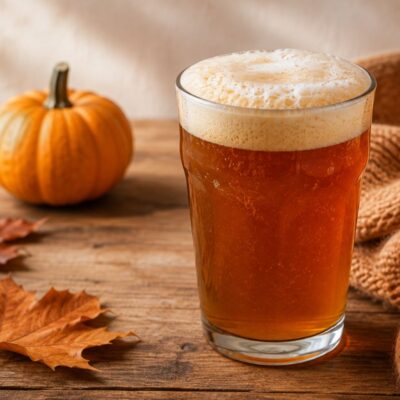
- Beer. A good stout or porter can complement the deep flavors of a beef stew, especially if the stew incorporates beer in its recipe. For lighter stews, consider an amber ale or even a lager.
- Cider. A dry or semi-dry cider can provide a refreshing contrast to the savory notes of the stew, with its effervescence cleansing the palate.
- Whiskey or Bourbon. For those who prefer spirits, a neat glass of whisky or bourbon can be a warming and comforting pairing, especially in colder weather.
- Cocktails. Clearly Old Fashioned.
- Water. Never underestimate the power of a glass of still or sparkling water to cleanse the palate, especially with a rich dish like stew.
- Tea. A strong black tea or a smoky Lapsang Souchong can be a lovely match with beef stew. The tannins in the tea can balance the fat in the dish.
- Coffee. Like tea, the bitter notes in a well-brewed black coffee can be a good counterpoint to the richness of the stew.
- Red Wine Reduction Sauce. If you want to elevate your dining experience, try reducing some red wine with a bit of sugar and herbs until syrupy and use it as a drizzle or dipping sauce.
- Mocktails. For those who avoid alcohol, consider mocktails made with cranberry juice, pomegranate juice, or even non-alcoholic versions of red wine.
- Bone Broth. If you’re in the mood for an ultra-cozy and comforting meal, sipping on a cup of warm bone broth alongside your beef stew can be delightful.
Freezing Leftover Beef Stew
- Cooling the Stew: Before you freeze your beef stew, allow it to come to room temperature. Do not leave it out for more than two hours to avoid bacterial growth.
- Portioning: If you don’t plan to reheat the entire batch of leftovers at once, consider portioning the stew into meal-sized amounts. This way, you can thaw only what you’ll eat.
- Storage: Use airtight containers or heavy-duty freezer bags. If using bags, press out as much air as possible before sealing to prevent freezer burn.
- Labeling: Always label your containers or bags with the date and content. It’s easy to forget how long something has been in the freezer.
- Freezing: Place the stew in the coldest part of your freezer until fully frozen.
- Storage Duration: For optimal taste and texture, consume frozen beef stew within 2-3 months.
Reheating Frozen Beef Stew
- Thawing: For best results, thaw the stew in the refrigerator overnight. If you’re in a hurry, you can use the defrost setting on your microwave, but be sure to stir occasionally for even thawing.
- Stovetop Reheating: Transfer the stew into a pot and reheat over medium heat, stirring occasionally. Bring the stew to a simmer and let it cook for a few minutes to ensure it’s heated all the way through.
- Microwave Reheating: If you choose to reheat in the microwave, transfer the stew to a microwave-safe dish, cover it loosely, and heat in intervals, stirring occasionally for even heating.
- Check Before Eating: Regardless of your reheating method, always ensure the stew reaches an internal temperature of 165°F (74°C) before eating.
- Reheating Tips: If you find the stew has thickened excessively upon freezing and thawing, you can add a bit of water or broth while reheating to achieve the desired consistency.
Remember, for safety reasons, you should only reheat leftovers once. If you’ve thawed and reheated your beef stew but can’t finish it, it’s best to discard any uneaten portions.
What side dishes go with stew?
A hearty beef stew is often a meal in itself, but pairing it with the right side dishes can elevate the dining experience and bring out its rich flavors. Here’s a list of side dishes that go perfectly with stew:
- Crusty Bread: Few things are as satisfying as mopping up the last bits of stew with a piece of crusty bread like a baguette, sourdough, or ciabatta.
- Mashed Potatoes: If your stew doesn’t already contain potatoes, serving it over a bed of creamy mashed potatoes can add a delightful texture contrast.
- Steamed Green Vegetables: Lightly steamed green beans, broccoli, or asparagus with a touch of butter or olive oil can offer a fresh counterpoint to the richness of the stew.
- Rice or Quinoa: Both are great options for soaking up the flavorful broth of the stew, turning the dish into something reminiscent of a curry or thick sauce.
- Dumplings: Stew with dumplings is a classic pairing, especially in British cuisine. They can be either baked on top of the stew or steamed separately.
- Salad: A crisp green salad with a light vinaigrette can provide a refreshing contrast. Consider salads with apples, nuts, or dried fruits for a mix of textures.
- Polenta or Grits: A creamy bed of polenta or grits can complement the meaty richness of a beef stew beautifully.
- Roasted Root Vegetables: Carrots, parsnips, turnips, and beets roasted with herbs can be a delightful accompaniment, especially during colder months.
- Buttered Noodles: Egg noodles or pasta tossed in butter, parsley, and perhaps a sprinkle of parmesan can be a simple yet satisfying side.
- Pickled Vegetables or Cabbage: The tangy, crisp bite of pickles or sauerkraut can offer a lovely contrast to the deep, savory flavors of the stew.
- Cornbread: Especially popular in the southern U.S., a slice of warm cornbread pairs wonderfully with hearty stews.
- Horseradish Cream or Mustard: For those who enjoy an extra kick, a side of horseradish cream or a strong mustard can be a zesty addition to beef stew.