
Monterey Jack: Why America’s Melting Cheese Has Conquered the World (and Your Kitchen)
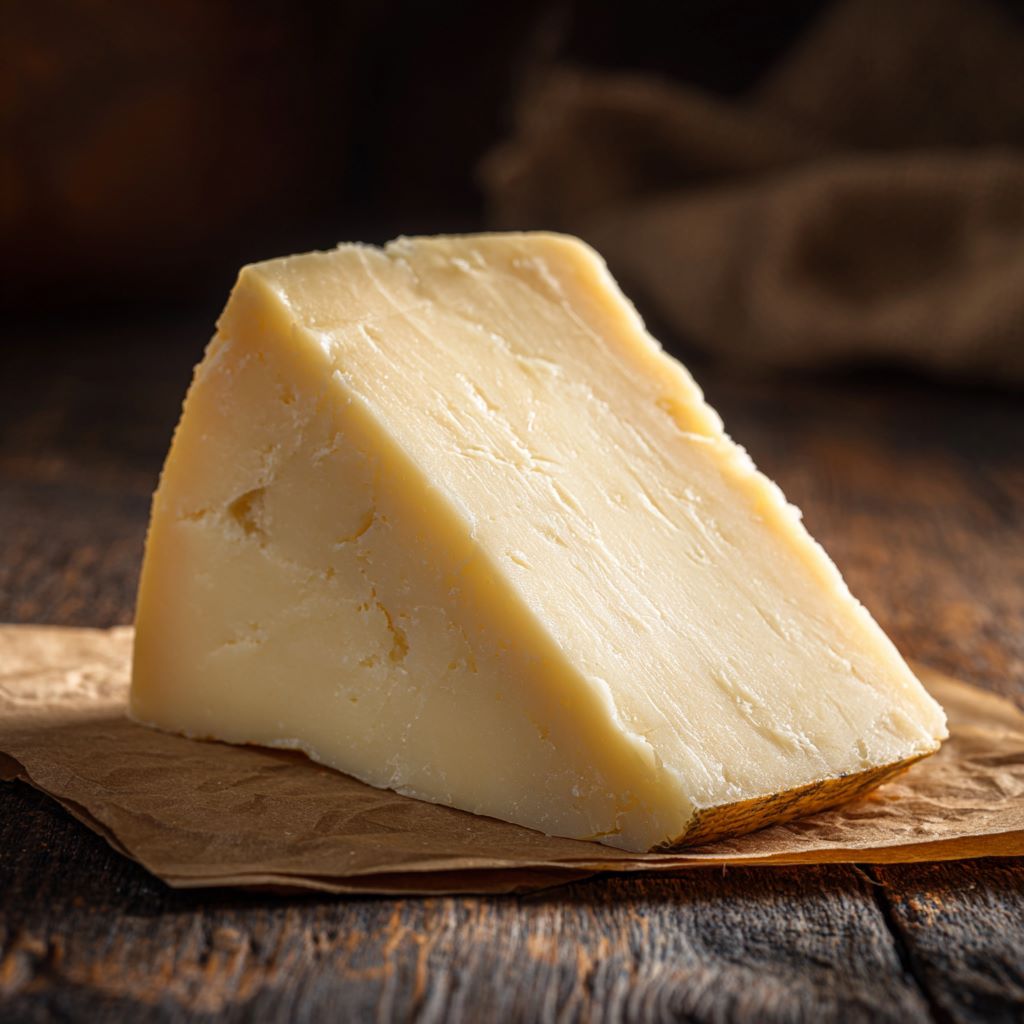
Monterey Jack is one of the few cheeses truly born in the United States and has become a sort of lingua franca of fusion cuisine. It melts like a dream, with gentle, delicate aromas, but can also be transformed into Dry Jack, firm and flavorful when grated, or Pepper Jack, enriched with chili peppers for a spicy, modern twist.
The Basics
- Origin: California (Monterey County), now also produced in other US states
- Milk: Cow’s milk, usually pasteurized
- Style: Semi-hard, high moisture (young version), with excellent melting properties
- Legal standards (USA): Moisture ≤44%; fat to dry matter ≥50%
- Maturation: Young 1–3 months; Dry Jack 7–10 months (or more)
- Known variants: Dry Jack, Pepper Jack, Colby-Jack, Cheddar-Jack (blends)
History & Curiosities
The cheese originated between the 18th and 19th centuries in the Franciscan missions of California; later, merchant David Jacks brought it to a larger scale, and the name “Jack’s cheese” became Monterey Jack.
In the twentieth century, Dry Jack appeared: wheels treated on the surface with oil and pepper (sometimes cocoa) and aged for a long time—giving Jack a second life as a grating cheese.
How It’s Made
- Milk and starter: Pasteurized cow’s milk inoculated with mesophilic lactic acid cultures for a delicate profile.
- Coagulation: Rennet at 31–32°C for 30–45 minutes. Slow coagulation preserves moisture, crucial for melting.
- Cut and cook: Curd cut into 1–1.5 cm cubes, then gradually heated to 38–40°C to control final softness.
- Washed curd: Part of the whey replaced with warm water—reduces lactose, keeps the pH higher, and the curd elastic.
- Draining, salting, pressing: Dry or brine salting, progressive pressing. The pH and calcium retention determine elasticity and melt.
- Maturation: Young version: 1–3 months. Dry Jack: 7–10 months+ with special rind treatments.
Why Does It Melt So Well?
The secret is the moisture-to-fat ratio combined with a pH that isn’t too low: the casein network stays flexible and bonds loosen when heated, giving a silky, uniform melt.
Organoleptic Characteristics
- Young Jack: Pale yellow, aromas of sweet milk and butter, creamy and delicate.
- Dry Jack: Compact, savory, notes of dried fruit and spice, perfect grated.
- Pepper Jack: With jalapeño, serrano, or habanero—medium spiciness, green aroma, great for quesadillas and burgers.
In the Kitchen: Tricks and Uses
- Melt control: Grate finely, heat gently for a silky melt; high heat stiffens it.
- Tex-Mex: Star of quesadillas, enchiladas, chile con queso, and gratin tacos.
- Dry Jack “Italian style”: Excellent grated on minestrone, baked pasta, scrambled eggs, or cutlets.
- Pepper Jack: Ideal in hot sandwiches, mac & cheese, baked potatoes, and omelets.
Pairings
- Young Jack: Dry, fresh whites like Verdicchio dei Castelli di Jesi, Soave Classico, or Fiano di Avellino.
- Dry Jack: Vibrant reds like Barbera d’Alba, Sangiovese di Romagna, or artisanal Zinfandel.
- Pepper Jack: Citrusy pale ales and IPAs, or off-dry Rieslings for balancing spiciness.
Producers to Know
- Vella Cheese (Sonoma, California): Historic Dry Jack, aged, rind treated with oil, pepper, sometimes cocoa.
- Rumiano Cheese Co. (Redwood Coast, California): Organic line, excellent Monterey and Pepper Jack, family tradition since 1919.
- Schoch Family Farmstead (Monterey County): Rare, rustic, deep-ripened Jack, some with natural rind or beer-washed finish.

