
How Japanese Rice Became Culture: The Untold Story of Uruchimai
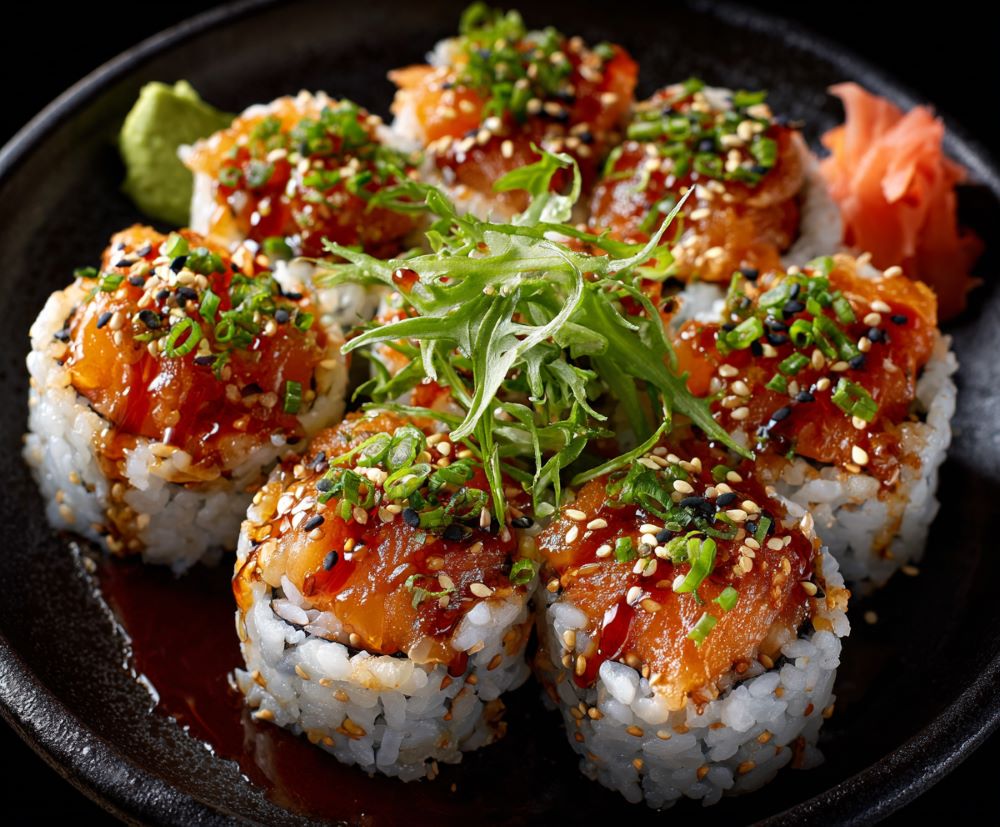
There is no Japanese table without a bowl of white, fragrant, perfectly cooked rice: it is called Uruchimai and it represents much more than a side dish. It is culture, identity, daily ritual.
Unlike the rarer and more precious glutinous rice (“mochigome”), uruchimai is ordinary rice, the one that accompanies every meal, which becomes sushi, onigiri, donburi or the simple morning gohan. The word itself—uruchi (“normal”) and mai (“rice”)—tells of a thousand-year-old tradition that has shaped landscapes, habits and festivities.
The history of uruchimai is intertwined with the roots of Asian agriculture: the first crops date back more than two thousand years, when rice became the cornerstone of the Japanese economy and diet. It is not just food: it is an offering to the gods, a symbol of prosperity and well-being, the protagonist of seasonal ceremonies and rituals.
If rice in Italy changes face from region to region, in Japan uruchimai is a sort of “gastronomic currency”, the basis from which everything is born: the simplicity in the bowl that requires years of practice to be perfect.
Characteristics and Varieties
Uruchimai is immediately recognizable by its short, squat and slightly pearly grains. Compared to long and dry rice, this has a high starch content—especially amylopectin—which gives cooked rice a slightly sticky and shiny consistency, perfect for shaping onigiri, sushi or to be enjoyed with chopsticks without losing a grain along the way.
Among the most widespread varieties are Koshihikari, the most famous and loved, with a velvety consistency and hazelnut scent; Sasanishiki, delicate and aromatic; and Hitomebore, very common in Tōhoku, ideal for keeping after cooking. Each region proudly defends its own local varieties, which differ in aroma, chewiness, resistance to cooking.
Cultivating uruchimai requires patience and care: the flooded fields (“tanbo”) create the ideal microclimate, with pure water and constant temperatures that help form perfect grains.
The harvest takes place in late summer or early autumn, with rituals that still mark rural life and mark the seasons.
In the Kitchen
Uruchimai is the undisputed king of Japanese cuisine: you can find it at the base of sushi (where it is seasoned with vinegar, sugar and salt), in onigiri, in curry rice dishes, in donburi with fish or meat, but also as simple gohan, the white rice that accompanies soups and dishes of all kinds.
The perfect preparation is an art: it must be washed several times to eliminate excess starch, then left to rest and cooked with the right proportion of water. The result? Separate but compact grains, shiny, slightly elastic, never dry or mushy.
Many chefs recommend cooking uruchimai in clay pots (“donabe”) or in automatic rice cookers to obtain the ideal consistency. A sprinkling of sesame or furikake on top is always present, as are the thousand fusion variations of recent years (salads, poke bowls, fried rice with vegetables or fish).
Nutritional Values (per 100 g cooked)
- Energy: 129 kcal
- Protein: 2.2 g
- Fat: 0.2 g
- Carbohydrates: 28.6 g
Uruchimai is gluten-free, easy to digest, a source of slow-release carbohydrates and—if whole—rich in minerals such as magnesium and phosphorus.
Producers and Curiosities
In Japan, uruchimai producers are proud artisans: among the most renowned areas are the Niigata prefecture (cradle of Koshihikari), Akita prefecture, and the Yamagata region. Many family farms grow native varieties and promote crop rotation to keep the fields fertile and the water clean.
Among the reference names:
- Uonuma Koshihikari (Niigata): the non plus ultra for those looking for shiny grains, intense flavor and velvety texture.
- Sasanishiki di Miyagi: perfect for sushi, delicate and aromatic, it maintains its firmness even after cooling.
- Akita Komachi (Akita): balanced, with a small and compact grain, ideal for any preparation.
Every autumn, in Japan, the harvest is celebrated with the “Niinamesai”, an ancient ritual in which the emperor offers the new rice to the gods as thanks.
Curiosity
Uruchimai rice is so important that in some regions it is even served as a dessert, seasoned with azuki, matcha or black sesame cream.
In recent years, small artisan businesses have emerged that grow organic rice, rediscovering ancient forgotten varieties.

