
Ají Amarillo Explained: The Fruity Chilli Behind Peru’s Most Famous Dishes
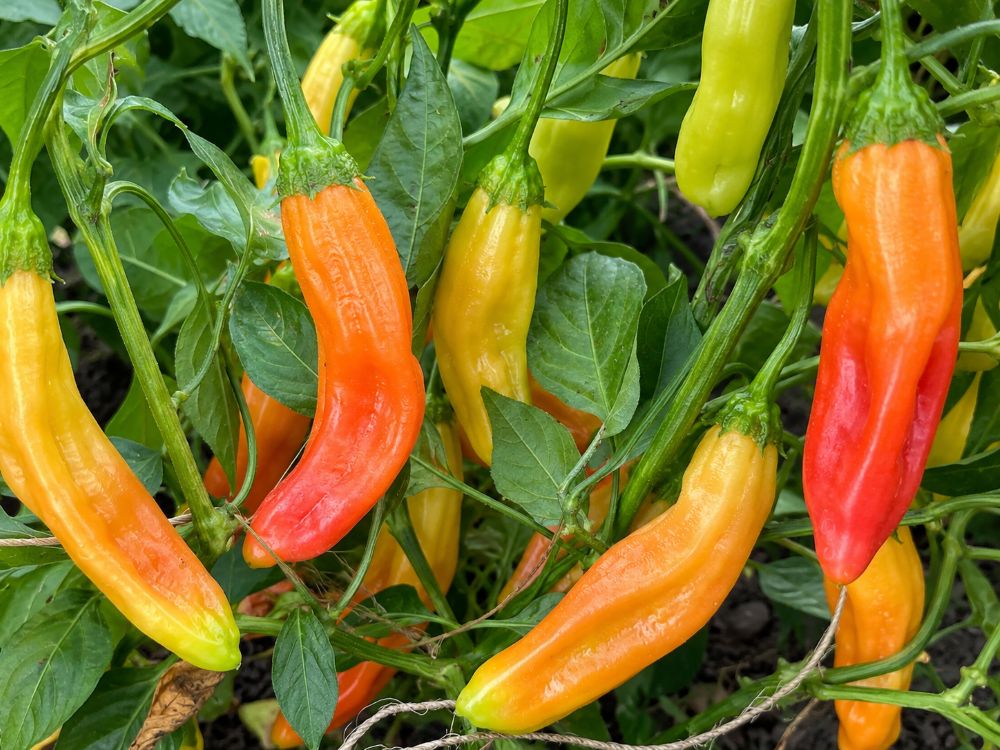
Ají amarillo is the chilli that gives Peruvian cooking its unmistakable golden colour and much of its aromatic personality. It appears in ají de gallina, causa limeña, papa a la huancaína, ceviche sauces, escabeche and countless household salsas, bringing a combination of ripe fruit, floral fragrance and clean heat that ordinary yellow peppers cannot reproduce.
Despite its Spanish name, a ripe ají amarillo is rarely bright yellow. The elongated fruits mature from green through yellow before developing a vivid orange skin, sometimes with deeper red tones. “Amarillo” refers as much to the warm colour it gives sauces as to the appearance of the fresh chilli itself.
Its importance in Peru is difficult to overstate. Ají amarillo is not merely added when a dish needs spice. It provides body, aroma, colour and a faint sweetness, acting almost like a seasoning, vegetable and spice at the same time.
The Basics
- Name: Ají amarillo
- Scientific species: Capsicum baccatum
- Origin: South America
- Strongest culinary association: Peru
- Colour when ripe: Deep yellow-orange to orange
- Shape: Long, narrow and gently tapered
- Flavour: Fruity, floral, lightly sweet and vegetal
- Heat level: Medium-hot
- Scoville range: Approximately 30,000–50,000 SHU
- Common forms: Fresh, frozen, dried, powdered and as chilli paste
- Essential dishes: Ají de gallina, causa limeña and papa a la huancaína
- Best substitutes: Ají amarillo paste, frozen whole peppers or a careful blend of fruity chilli and yellow bell pepper
What Is Ají Amarillo?
Ají amarillo is a cultivated chilli belonging to Capsicum baccatum, one of the principal domesticated Capsicum species of South America. The plant produces elongated pods that commonly grow to around 10–15 centimetres and ripen to a glossy orange.
The word ají is widely used in South America for chilli peppers. Ají amarillo therefore means “yellow chilli”, although fully mature examples are normally closer to tangerine orange than lemon yellow.
Its flesh is thicker and juicier than that of many narrow dried chillies. This makes it particularly useful for sauces and pastes: once blanched and blended, it produces a dense, smooth base with enough natural body to bind cheese, milk, nuts, bread or oil.
Ají amarillo is among the best-known cultivars of Capsicum baccatum, a domesticated species deeply embedded in Peruvian agriculture and cooking.
What Does Ají Amarillo Taste Like?
Ají amarillo has a distinctly fruity and floral flavour, often recalling ripe apricot, yellow plum, passion fruit and orange pepper. Beneath that aromatic sweetness sits a fresh vegetal character and a controlled bitterness near the seeds and inner membranes.
Its heat arrives after the fruitiness rather than overwhelming the palate immediately. This delayed warmth is one reason ají amarillo works so well in creamy dishes. The chilli remains perceptible through cheese, milk, bread and nuts without flattening the other ingredients.
The flavour is considerably more complex than jalapeño and less aggressively tropical than habanero. It has enough personality to define a sauce but remains moderate enough to use in substantial quantities.
Specialist produce references place ají amarillo at approximately 30,000–50,000 Scoville Heat Units, hotter than the average jalapeño but far below most habaneros.
How Hot Is Ají Amarillo?
Ají amarillo is medium-hot, although individual peppers vary according to cultivar, maturity and growing conditions.
At 30,000–50,000 SHU, it can be several times hotter than a mild jalapeño. The heat is noticeable but rarely brutal when the seeds and pale internal ribs are removed. Cooking it with dairy, cheese, bread or potatoes reduces the apparent intensity further.
Peruvian recipes often use more ají amarillo than a European cook might expect because the objective is not simply to add chilli heat. The fruit must contribute enough aroma, colour and texture to shape the whole dish.
Removing the seeds alone does not eliminate most of the capsaicin. The greatest concentration sits in the pale tissue surrounding the seeds, so both the seeds and internal membranes should be removed for a gentler sauce.
Why Ají Amarillo Matters in Peruvian Cuisine
Peruvian cooking does not treat all chillies as interchangeable. Ají amarillo supplies brightness and fruit; ají panca brings darker sweetness and mild smokiness; rocoto delivers juicier flesh and much stronger heat.
Ají amarillo occupies the most versatile position. It works with chicken, potatoes, fresh cheese, seafood, onions, corn, eggs and herbs. It can be raw, sautéed, boiled, roasted, dried or blended into a paste.
Its golden-orange colour is equally important. Without ají amarillo, ají de gallina loses its characteristic warm tone, causa becomes less aromatic and huancaína sauce tastes like a generic cheese cream rather than a recognisable Peruvian preparation.
Peru’s official food and tourism material presents ají-based cooking as a central part of the country’s gastronomic identity, while Capsicum baccatum remains one of Peru’s principal domesticated chilli species.
The Essential Dishes Made with Ají Amarillo
Ají de Gallina
Ají de gallina combines shredded chicken with a creamy sauce made from ají amarillo, bread, milk, cheese or nuts, depending on the recipe. The chilli contributes fragrance and colour rather than fierce heat.
The sauce should be smooth, savoury and gently spicy, with enough ají amarillo to remain vibrant beneath the dairy ingredients.
Papa a la Huancaína
Huancaína sauce blends ají amarillo with fresh white cheese, evaporated milk, crackers or bread and oil. It is traditionally served over boiled potatoes with egg, olives and lettuce.
The sauce needs the fruitiness of the chilli to cut through the richness of the cheese. A plain yellow pepper can imitate the colour but not the aromatic depth.
Causa Limeña
Causa is made from seasoned yellow potato mashed with lime and ají amarillo, then layered with fillings such as chicken, tuna, avocado or seafood.
Here the chilli is part of the potato mixture itself. It gives the causa warmth, colour and a subtle fruitiness without making it aggressively spicy.
Tiradito and Ceviche Sauces
Ají amarillo can be blended with lime, fish stock and aromatics to make bright sauces for tiradito or ceviche. Its floral quality is particularly effective with white fish, scallops and prawns.
Escabeche
Peruvian escabeche uses ají amarillo with onions, vinegar and spices to create an acidic, aromatic sauce for fish or meat. The chilli reinforces the sweetness of the cooked onions and gives the dish its warm colour.
Fresh, Frozen, Dried or Paste: Which Form Is Best?
Fresh ají amarillo offers the clearest fruit aroma and the most natural texture, but it can be difficult to find outside South America.
Frozen whole ají amarillo is often the best alternative. Freezing softens the flesh slightly, but the peppers retain enough flavour and colour for sauces, stews and marinades.
Ají amarillo paste is the most practical form. Good products contain mainly chilli, water, salt and possibly a small quantity of acid or preservative. Some brands are considerably saltier or more concentrated than others, so the paste should be tasted before seasoning the dish.
Dried ají amarillo, sometimes sold under the name ají mirasol, has a deeper, sweeter and less fresh flavour. Drying concentrates its fruit while introducing raisin-like and lightly toasted notes. It is excellent for stews and marinades but does not reproduce the bright profile of fresh pepper.
Powder is convenient for dry rubs and seasoning, although it cannot provide the body required for huancaína or ají de gallina.
How to Prepare Fresh Ají Amarillo
Wear gloves when handling a large quantity of chillies and avoid touching your eyes.
Remove the stem, split each pepper lengthwise and scrape out the seeds and pale ribs. For a cleaner, milder flavour, boil the peppers for approximately five minutes, change the water and repeat the process once or twice.
This blanching method reduces heat, softens the flesh and removes part of the bitterness. The peeled or unpeeled peppers can then be blended with a small amount of water or neutral oil to produce a smooth paste.
Roasting creates a darker and sweeter result but changes the fresh character of the chilli. It is useful for meat sauces and marinades, while blanching remains better for pale, creamy preparations.
How to Make Ají Amarillo Paste at Home
Remove the stems, seeds and internal membranes from fresh or thawed peppers. Blanch them in boiling water for five minutes, drain and repeat with fresh water when a milder paste is required.
Blend the softened chillies with just enough neutral oil or water to keep the blades moving. The final paste should be thick, smooth and intensely orange rather than watery.
For a basic batch, use:
- 250 g fresh or frozen ají amarillo
- 1–2 tablespoons neutral oil
- A small pinch of salt
Keep the paste neutral when it will be used across several recipes. Garlic, onion, lime and herbs are better added to the final dish rather than built permanently into the base.
How Much Ají Amarillo Paste Should You Use?
Begin with one tablespoon of paste for a dish serving four people, then adjust according to the strength of the brand and the desired heat.
Huancaína and ají de gallina often require two to four tablespoons because the cheese, milk, bread and potatoes soften the chilli. A ceviche or dipping sauce may need less because acidity and salt make capsaicin feel more pronounced.
Commercial pastes vary widely. Some are mild and vegetable-forward; others retain substantial heat and bitterness. Measurements should therefore guide the first addition, not replace tasting.
What Can Replace Ají Amarillo?
No single chilli reproduces its exact balance of heat, orange colour and tropical fruit.
The most accurate substitute is frozen ají amarillo, followed by a good-quality commercial paste. When neither is available, combine a fruity medium-hot chilli with yellow or orange bell pepper.
A practical substitute uses:
- Two parts yellow or orange bell pepper
- One part Fresno, serrano or moderately hot red chilli
- A small amount of habanero only when more floral aroma is needed
Habanero alone is too hot and too perfumed. Jalapeño alone is greener, grassier and less fruity. Scotch bonnet has suitable tropical aromas but far more capsaicin.
Turmeric can improve colour but should be used sparingly. Too much gives the sauce an earthy spice profile that does not belong to ají amarillo.
Where to Buy Ají Amarillo
Outside Peru, fresh peppers are uncommon but may appear in Latin American food shops during late summer and autumn.
Frozen whole peppers and jars of paste are more dependable. They are sold by Peruvian grocers, larger Latin American supermarkets and specialist online retailers. Check that the package identifies ají amarillo rather than a generic “yellow chilli sauce”.
Choose a paste with a short ingredient list and a vivid orange colour. Brownish paste may be heavily oxidised, cooked for too long or made predominantly from dried peppers.
How to Store It
Fresh ají amarillo keeps for approximately one week in the refrigerator, stored dry and unwashed in a breathable bag.
Whole peppers freeze well. Remove the stems and seeds first when convenience matters, then freeze them in a single layer before transferring them to an airtight container.
Homemade paste keeps for three to five days in the refrigerator. For longer storage, freeze it in ice-cube trays and transfer the solid portions to a sealed freezer bag. Small frozen cubes make it easy to add controlled amounts to sauces and stews.
Commercial paste should be refrigerated after opening and used according to the manufacturer’s instructions. Always use a clean spoon to reduce contamination.
Nutritional Values
Specific nutritional data for fresh ají amarillo vary by cultivar and maturity. Its general profile resembles that of other fresh hot peppers: low in calories and rich in vitamin C, carotenoids and other plant pigments.
Approximate values for 100 g of fresh hot chilli pepper are:
- Energy: 35–45 kcal
- Protein: 1.5–2 g
- Fat: Less than 1 g
- Carbohydrates: 7–9 g
- Fibre: Approximately 1.5–2.5 g
- Vitamin C: High, but highly variable
- Sodium: Naturally very low
Commercial paste may contain considerably more sodium because salt is often added. Cooking and prolonged storage also reduce vitamin C.
USDA material identifies chilli peppers as an excellent dietary source of vitamin C, although precise values differ substantially among varieties.
Is Ají Amarillo Healthy?
Ají amarillo contributes flavour with very few calories and supplies vitamin C and carotenoid pigments. Capsaicin creates the sensation of heat and has been widely studied, but a normal serving of chilli should be valued as food rather than marketed as medicine.
Its practical dietary advantage is culinary: a small quantity gives sauces intensity, allowing cooks to build flavour without depending entirely on salt, sugar or heavy fats.
The health profile changes when ají amarillo is turned into a sauce containing large quantities of cheese, oil, condensed milk or salty crackers. Huancaína sauce may contain a nutritious chilli, but it is still a rich cheese-based preparation.
Does Ají Amarillo Cause Any Problems?
Ají amarillo is safe for most people in normal culinary quantities. Large portions may cause temporary mouth irritation, sweating, reflux or digestive discomfort, particularly in people who rarely eat chilli.
Capsaicin transfers easily from fingers to eyes and sensitive skin. Gloves are useful when cleaning several peppers, and kitchen tools should be washed thoroughly after preparation.
A severe burning sensation should not be treated with water alone because capsaicin does not dissolve effectively in it. Dairy products, rice, bread or other fatty and starchy foods provide more relief.
What Drinks Pair with Ají Amarillo?
Ají amarillo’s fruity profile works particularly well with Sauvignon Blanc, Riesling, Chenin Blanc and aromatic sparkling wines. Wines with sharp acidity and moderate alcohol cope better with chilli than powerful, tannic reds.
With causa or huancaína, try a crisp Peruvian Sauvignon Blanc or an Italian Verdicchio. Ají de gallina can handle a lightly off-dry Riesling, whose sweetness softens the heat while acidity cuts through the sauce.
Pisco Sour is an obvious cultural pairing, although the drink’s alcohol can intensify capsaicin. Its lime and sweetness create contrast, but it is not necessarily the most soothing choice.
Cold lager, wheat beer and citrus-led alcohol-free drinks remain reliable with spicier preparations.
Is Ají Amarillo Worth Seeking Out?
Absolutely. Ají amarillo is one of those ingredients that cannot be understood by reading “yellow chilli” on a label. Its appeal lies in the combination of apricot-like fruit, floral aroma, warm orange colour and medium heat.
It gives Peruvian dishes more than spice. It binds sauces, lifts potatoes, sharpens cheese, complements seafood and gives chicken stews their characteristic glow.
Commercial paste is sufficient for everyday cooking, but frozen or fresh peppers reveal a brighter and more complex ingredient. Once its flavour becomes familiar, replacing it with an ordinary chilli feels like removing both a spice and a principal ingredient from the recipe.

