
Why Kasuga Shrine Should Top Your Nara Itinerary: Temples, Trees, and Tranquility
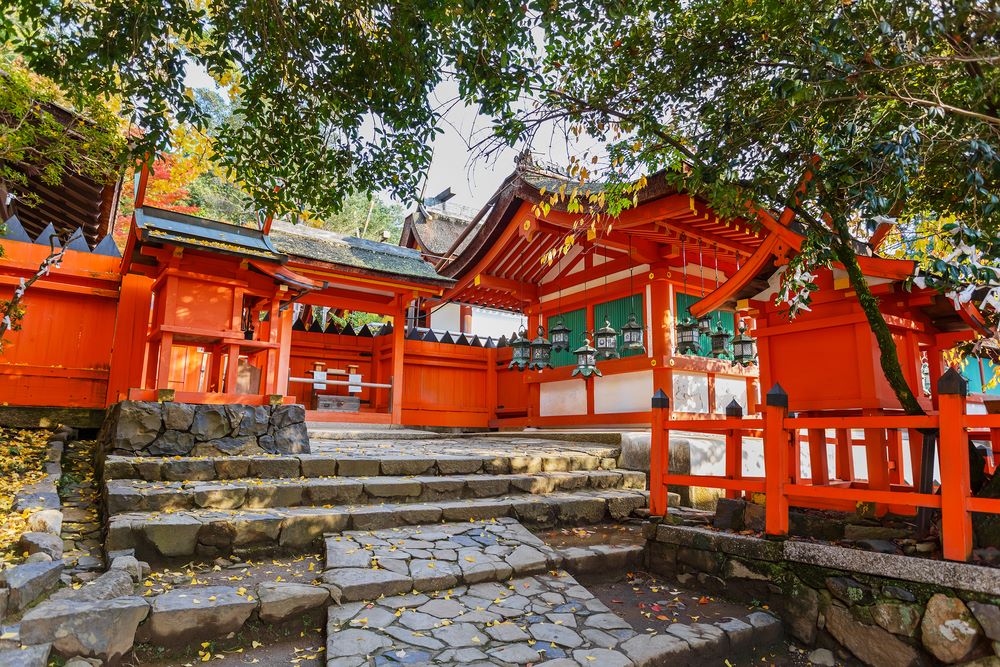
Kasuga Shrine (春日大社, Kasuga Taisha) is one of Japan’s spiritual and artistic wonders, an undisputed symbol of Nara and among the most revered Shinto shrines in the country.
Located on the edge of the ancient Kasugayama Forest , a UNESCO World Heritage Site, the shrine strikes with its suspended atmosphere, amid mossy paths, stone and brass lanterns, freely roaming sacred deer, and the intense red of its structures.
Coming here means traversing centuries of history, nature, and spirituality, in one of the most evocative places in East Asia.
Founded in the 8th century (768 AD) by the powerful Fujiwara family, Kasuga Taisha began as Nara’s protective shrine and a place of worship for four great Shinto deities (kami) linked to fertility, war, wisdom, and the city’s protection.
Legend says that Takemikazuchi-no-mikoto, one of these kami, arrived in Nara on a white deer—now the symbol of the sacred animals still roaming the park.
The shrine has always represented the guardian of cosmic order, a bridge between the human and divine, and the setting for major imperial ceremonies.
Fun fact: Every twenty years, according to ancient tradition, the shrine is faithfully rebuilt, renewing the link to the gods’ original purity.
Architecture, Routes, and What to See
- Monumental Torii: The huge red gate that marks the sacred path—one of Japan’s iconic images.
- Avenue of Stone Lanterns: Over 2,000 mossy lanterns line the wooded trail, creating a mystical, timeless atmosphere.
- Main buildings: The red-lacquered Kasuga-zukuri pavilions with bark roofs and golden details are stunning examples of Shinto architecture. Don’t miss the prayer hall (haiden), the main sanctuary (honden), and colonnaded corridors, all filled with symbols and purification rituals.
- Bronze lanterns: Hundreds hang under the porticoes, glowing magically during the two major annual festivals.
- Kasuga Taisha Museum: National treasures, masks, armor, religious objects, and historic calligraphy tell the shrine’s story.
Suggested itinerary: Start at the main torii, stroll among the lanterns, explore the pavilions, visit the smaller forest shrines and the museum. Don’t miss the prayer areas for prosperity, often animated by Shinto rituals.
Experiences and Tips

- Lantern Festival (Mantōrō): Twice a year, in February and August, every lantern is lit—a truly magical experience.
- Meet the deer: Symbols of purity and protected as messengers of the gods. Respect their space and only feed them with “shika-senbei” biscuits sold at the entrance.
- Shinto ceremonies and traditional weddings: You may see kagura dance, gagaku music, processions, and rituals among the red porticoes.
- Forest walks: The shrine is set in an ancient forest with over 170 tree and bird species. Trails lead to smaller shrines and hidden viewpoints.
Fun fact: Local belief says tying an omikuji (fortune slip) to a branch helps your wishes come true.
Where to Stay in Nara
- Nara Hotel (1096 Takabatake-cho – tel. +81 742 26 3300): Historic, elegant, overlooking the park.
- Kasuga Hotel (40 Noborioji-cho – tel. +81 742 22 4031): Classic comfort and Japanese hospitality in a prime location.
- Guesthouse Nara Komachi (41-2 Surugamachi – tel. +81 742 94 3776): Friendly, casual, great for independent travelers.
- Hotel Nikko Nara (8-1 Sanjo-hommachi – tel. +81 742 35 8831): Modern convenience near all main shrines.
- Asukasou (1113-3 Takabatake-cho – tel. +81 742 26 2538): Traditional ryokan vibes, excellent kaiseki cuisine.
Where to Eat
- Kameya (30-1 Noborioji-cho – tel. +81 742 22 2625): Refined Japanese cuisine, tofu and tempura specialties.
- Maguro Koya (17-1 Hanashibacho – tel. +81 742 23 3766): Renowned for tuna and fresh fish dishes.
- Nino (18-1 Sannomiyacho – tel. +81 742 23 2910): Classic izakaya, honest prices, local food.
- Shizuka (59 Noborioji-cho – tel. +81 742 27 8030): Famous for kakinoha sushi (persimmon-leaf sushi).
- Kura (2-1 Kamisanjocho – tel. +81 742 27 3223): Warm atmosphere, typical Nara dishes.
Shopping and Local Crafts
- Lantern shops: Buy small stone, bronze, or paper lanterns—icons of the shrine.
- Deer-themed souvenirs: Wood, cloth, or ceramic crafts inspired by Nara’s sacred deer.
- Omamori: Good-luck charms for health, love, and prosperity, sold at the shrine.
- Naramachi Market: Historic shops, rice cakes, local sake, artistic postcards.
What to See Nearby
- Todai-ji: The Great Buddha temple, among Asia’s top monuments.
- Nara Park: Meadows, free-roaming deer, postcard-perfect scenery.
- Wakamiya Shrine: Kasuga’s branch shrine, famous for kagura dance and the On-Matsuri.
- Nara National Museum: Buddhist art and archaeological treasures.
Useful Info
- Address: 160 Kasugano-cho, Nara
- Hours: 6:30–17:30 (Nov–Feb 7:00–17:00)
- Phone: +81 742 22 7788
- Email: [email protected]
- Emergencies: 110
- Tourist info: Nara City Tourist Center – tel. +81 742 27 2223
- Accessibility: Largely accessible
How to Get There and Around
Kasuga Shrine is a 25-minute walk from Kintetsu Nara Station, or a short bus ride from the city center (Kasuga Taisha Honden stop). Trails are well-marked and perfect for walking through forest, shrines, and scenic spots. The park is best explored on foot, by bike, or with a guided tour.

