
Hidden Wonders of Majuro Atoll: A Deep Dive into Island Life
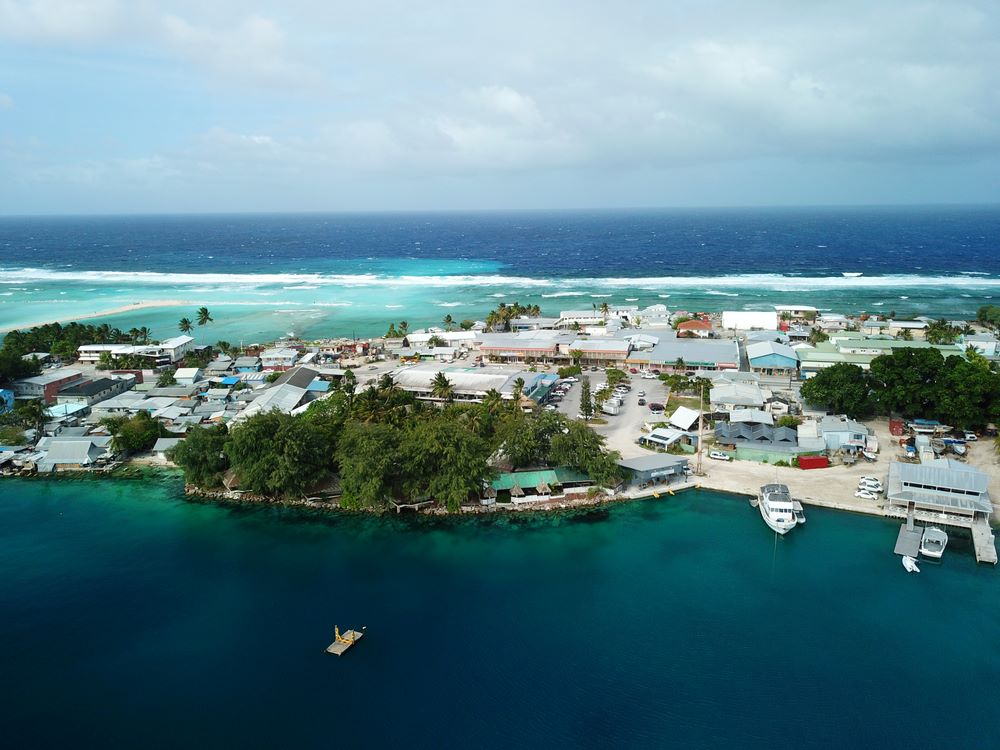
Majuro Atoll, consisting of 53 islands stretched across a 108-kilometer arc, is the main political, economic, and logistical center of the Marshall Islands, and has served as the capital since 1986. The municipality, with a population of just over 23,000, is home to the state’s educational facilities, the only international airport, a port, and most of the island’s tourist amenities. The most populous towns are Rita, also known as Delap-Uliga-Darrit, with 19,000 residents, Laura, which is home to around 2,000, and Ajeltake, which recently surpassed 1,000. When Robert Louis Stevenson visited Majuro in 1889, he called it the “Pearl of the Pacific.” Though some of its former allure has faded, the atoll retains much of its magnetic charm.
Delap-Uliga-Darrit: The Municipality of DUD
The Municipality of DUD, or the islands of Delap, Uliga, and Darrit (Rita), is the focal point for services and commercial activity on Majuro. State offices are located in Delap, including the Capitol Building, a modern skyscraper costing over 9 million US dollars, which stands out as a significant architectural feat given its unique location. In Uliga, near the courthouse, you’ll find the Alele Museum & Public Library, which hosts small but intriguing exhibitions of Marshallese cultural artifacts, such as stick charts, model canoes, and shell objects. Across the bridge from the town lies the Tobolar Copra Processing Plant, the atoll’s main facility for processing copra. Like many Pacific islands, Majuro’s key economic resource has historically been copra—dried coconut meat. Its derivatives, such as coconut oil and soap, make perfect souvenirs and can be purchased in local shops.
Laura Beach and Enemanot: The Best of Majuro’s Nature
When the tide is out, you can walk across the reef to the islands north of Rita. The beautiful beaches of Enemanot are a popular weekend destination, easily accessible by boat—a perfect spot for a picnic and some snorkeling. Laura, a quiet, green area located 40 kilometers from DUD, is the agricultural heart of the atoll. The tip of the island boasts a white sand beach, the most beautiful on Majuro, popular throughout the week. As is typical across the Marshalls, the beach is privately owned but is accessible to the public for a nominal fee. About halfway along the road to Laura, you’ll find the Peace Park, built by the Japanese to honor the fallen of World War II.
Diving, Fishing, and Relaxation on Majuro
Majuro offers a wide array of activities, particularly those that explore its tropical marine life. The clear waters, rich reefs, and World War II wrecks make the atoll an ideal place for diving. The further you venture from Rita, the more transparent the water becomes. One popular diving spot is the Calalin Channel, also known as Shark Alley, where strong currents require caution. Other water activities include snorkeling—Laura Beach is perfect for this—and sport fishing, with several tournaments held annually.
A Taste of Marshallese Cuisine
One of the best reasons to visit the Marshalls is to sample the local cuisine. Compared to other Central Pacific nations, Majuro offers a surprising variety of culinary delights. While you may not find the most polished service, the quality of pancakes, fresh seafood, exotic pasta dishes, and delicious fruit cocktails will make you forget any lack of formality. For those seeking a livelier experience, Majuro has a handful of nightclubs, while those wanting a quieter evening can enjoy a movie at the only cinema in Delap, next to Payless.
When is the best time to visit Majuro?
The climate is tropical, hot, and humid year-round, with average temperatures around 27-28°C, peaks just above 30°C, and lows rarely below 23-24°C. The rainy season, from September to November, is the least favorable time to visit, with the majority of the yearly 2,500 mm of rain falling during this period.
Getting Around Majuro
Majuro is the logistical hub of the Marshall Islands, featuring the Amata Kabua International Airport, the only international airport in the country, and a significant port that connects to the main atolls of the state. For getting around Majuro, many hotels provide cars or minibuses for guests, while taxis are an affordable and convenient option. For the adventurous, a great way to explore the atoll is by bicycle, but be aware that you will need to bring your own, as there are no rental options available.

