
From Ancient Ruins to Modern Festivities: Experience Frosinone’s Rich Heritage
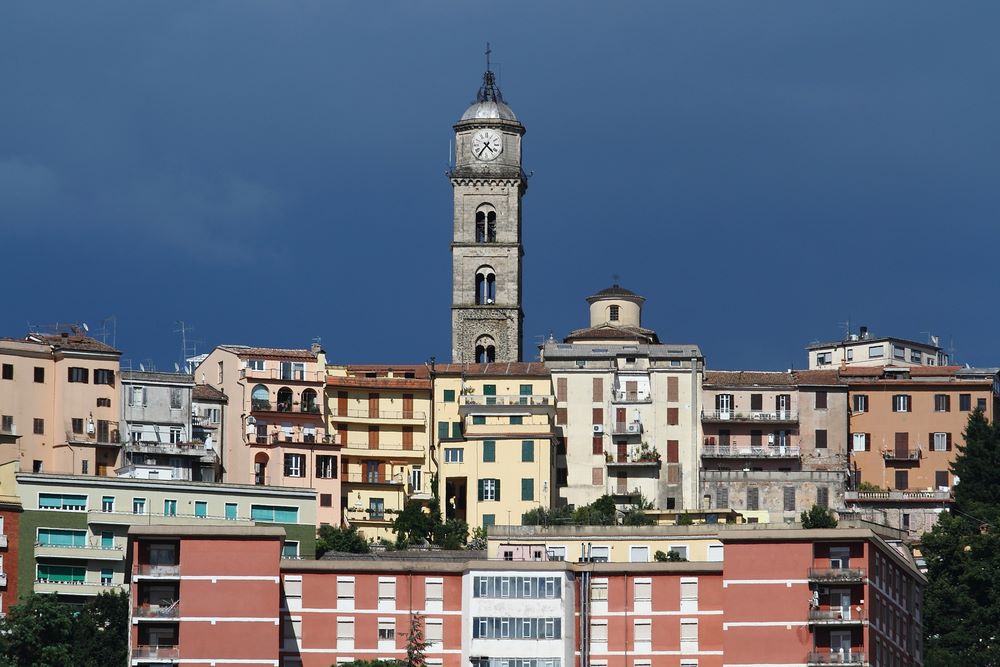
An important industrial and commercial center, as well as a critical communication hub in southern Lazio, Frosinone is widely recognized as the capital of Ciociaria. With approximately 48,000 residents, it is the twelfth most populous municipality in Lazio and serves as the capital of its province.
History
Known locally as ‘Frusenone’, the city was originally founded by the Volsci under the name Frusna, later renamed Frùsino by the Romans.
Over the centuries, the city endured looting, destruction, and a devastating earthquake in the mid-14th century, which obliterated many architectural treasures. Today, remnants of its storied past can be explored in Frosinone’s Archaeological Museum.
Situated on a hilltop, Frosinone enjoys panoramic views of the surrounding valleys, with towering mountains such as the Ernici, Lepini, and Ausoni framing the landscape. The city’s layout is divided into two distinct areas: Frosinone Alta, the historic center, and Frosinone Bassa, the newer, lower section of the city.
What to See in Frosinone
Among the historical and artistic beauties of the city, the religious buildings stand out, in particular the Cathedral of Santa Maria Assunta, heavily renovated in the 18th century, taking inspiration from the beautiful Sant’Andrea della Valle in Rome. The church is distinguished by its tall Romanesque bell tower, over 60 meters high, and the three rows of elegant mullioned windows, while inside one is enchanted by the sight of a Madonna with Saint Anne, Saint John the Baptist and angels created by Sementi.
Other interesting religious buildings are the Church of San Benedetto, of very ancient origins, with a single nave interior adorned with important works of art painted between the 17th and 19th centuries, and the Sanctuary of the Madonna della Neve, built as a rural chapel at the end of the 17th century. This sanctuary honors a miraculous event known as the ‘sweating of the Madonna’, which inspired the quick construction of the chapel.
Frosinone also has several civil buildings worthy of note:
- Government Palace, built starting from 1825, created as the seat of the city’s Apostolic Delegation, with a portal attributed by some scholars to Michelangelo.
- Palazzo della Provincia, built in the 1930s in a neoclassical style, particularly imposing with its monumental staircase.
A visit to Palazzo Pietro Tiravanti, perched on a green spur overlooking the plain, is also recommended, as well as the Casamari Abbey, a masterpiece in Cistercian Gothic style located northeast of the city.
Events, Festivals, and Traditions
Frosinone is known for its festivals that enliven the streets of the city:
- Carnival and Festa della Radeca, a lively February celebration featuring dances with large agave leaves.
- Feast of Saints Ormisda and Silverio in June, with music, markets, and food stalls.
- Madonna della Neve Festival on August 5, celebrating with processions and fireworks.
The city is also famous for its Ciociarian cuisine, offering traditional dishes such as fettuccine ciociare, gnocchetti with offal and tomato ragù, bean and onion soup, and copiette ciociare.
Climate and When to Go
The climate of Frosinone is semi-continental, with:
- Winters: Often gray and foggy, with temperatures between 0°C and 8°C.
- Summers: Hot, with temperatures ranging from 16°C to 30°C.
The best time to visit is in spring or autumn, avoiding the peak summer heat and rainy months.
How to Get There
Frosinone is accessible by:
- Car: Via the A1 motorway, exiting at Anagni or Frosinone.
- Train: The Rome-Naples railway line serves the city.
- Air: The nearest airport is Rome, about 100 km away.
Where to Stay
- Hotel Garibaldi (Via del Plebiscito, 49): A cozy hotel in the historic center offering comfortable rooms and excellent service.
- Astor Hotel (Via Marco Tullio Cicerone, 194): A modern hotel with a convenient location and great amenities for business and leisure.
- Memmina (Via Maria, 172): A charming guesthouse offering a homely atmosphere and traditional décor.
- B&B La Stazione (Viale Napoli, 8): Ideal for travelers arriving by train, with clean and welcoming rooms.
- Hotel Testani (Via Gaeta, 8): A great choice for families, offering spacious rooms and a friendly atmosphere.
Where to Eat
- Ristorante Il Norcino (Via del Plebiscito, 33): Known for its delicious Ciociarian dishes and homemade pasta.
- Trattoria da Tony (Piazza della Libertà, 2): A local favorite, offering authentic flavors and a cozy setting.
- Ristorante Memmina (Via Maria, 172): Famous for its traditional recipes and excellent service.
- Osteria Al Vecchio Frantoio (Via America Latina, 68): Perfect for a romantic dinner with a rustic and elegant ambiance.
- Pizzeria Ciociara (Via Tiburtina, 19): Ideal for enjoying authentic Italian pizza in a relaxed atmosphere.

