
Not Just a Plant—It’s Art: Why Everyone’s Talking About Gynura aurantiaca
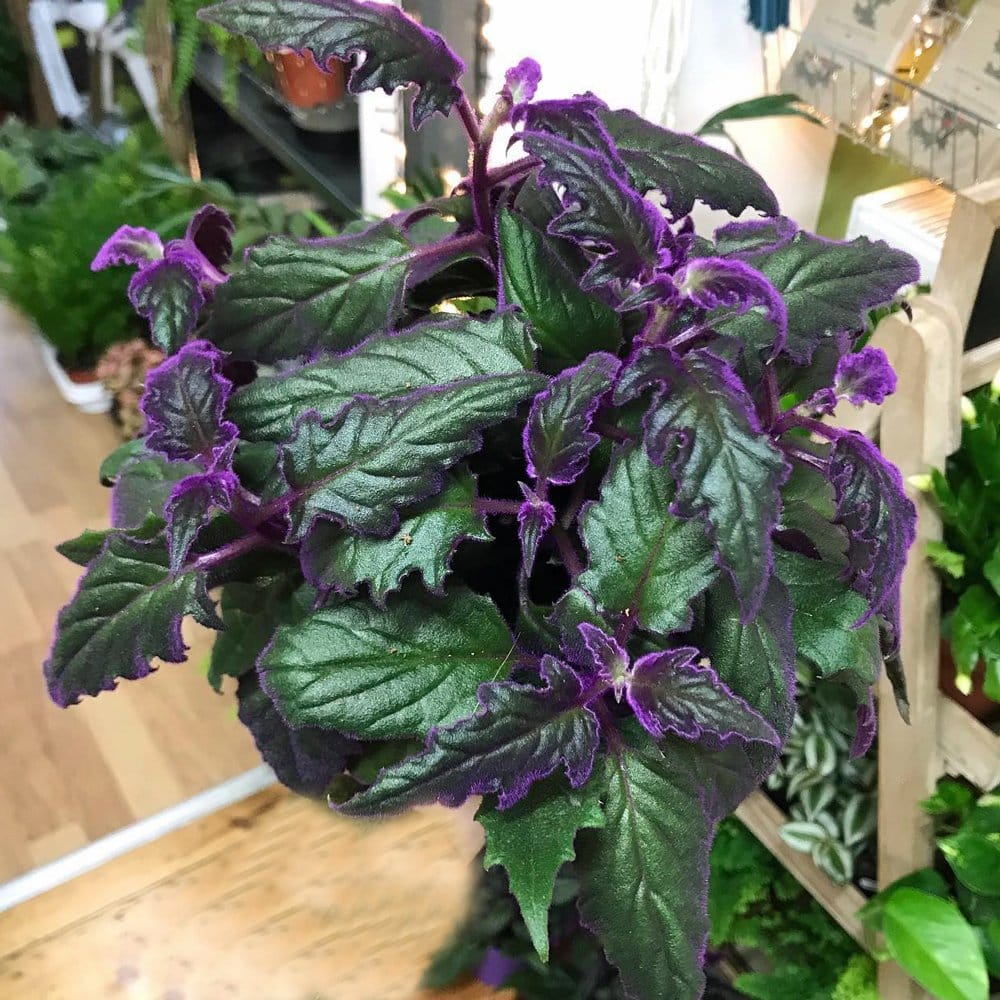
Known as “purple velvet plant” or “purple passion,” Gynura aurantiaca is a unique and interesting houseplant valued for its unexpected and velvety leaves. Try it if you want a strange houseplant that can survive and enhance your decor with color and unique charm under the correct care.
Origins and Description
Native to the tropical areas of south-eastern Asia, Gynura aurantiaca Belonging to the Asteraceae family, it is a perennial plant. Its dark green leaves strewn with little purple hairs, which provide a velvety and shining look to the plant, make it especially known.
Inquisitiveness
When exposed to light, the purple hairs on the leaves of Gynura aurantiaca provide an almost iridescent look.
Many gardeners choose to clip the blossoms before they bloom as they are brilliant orange and have a pretty strong scent.
Common Name: Apart from “purple passion,” it is also called “velvet plant.”
Benefits
With its unusual look, Decorative: brings a little of exoticism and bright color to rooms.
Perfect for beginners in gardening, it is a robust houseplant that needs no upkeep.
Care and Maintenance
It likes bright, indirect light. Direct sun exposure can scorch the leaves; therefore, avoid it.
It calls for well-drained soil. A houseplant mix with good aeration is perfect.
Watering: Maintain a steady moisture in the soil; avoid sogginess. Cut back on winter irrigation.
Humidity: It enjoys a wet surroundings. Regular leaf misting or humidifier use can assist.
Use a balanced liquid fertilizer to fertilize every four to six weeks during the growing season.
Propagation
Cuttings make it simple to reproduce Gynura aurantiaca.
Take stem cuttings roughly 10 cm long. Plant the cuttings in a wet medium after removing the lowest leaves. Until they have rooted, keep the medium somewhat moist.
Frequent Issues
Overwatering causes root rot. Ensure the soil drains properly and never remains too moist.
Aphids and spider mites are among the pests that can harm the plant. Use neem oil or insecticidal soap to treat.
Usually caused by insufficient light, yellowing leaves. Relocate the plant to a more indirectly illuminated area.

