
Modern Corinth: A City Built on Ancient Foundations

The Pelopponnesos’ narrow umbilical cord was severed around 120 years ago when the thin isthmus of rocks was cut to create the 6.4 km-long canal that bears the name of Corinth. This grandiose work was conceived in Roman times, as the cut could save the vessel from circumnavigating the Peloponnese, but despite Nero’s efforts, the enterprise was never completed.
The Spectacle of the Canal
Today, the artificial canal is too narrow for large tonnage ships, but thousands of boats pass through the fissure carved into the isthmus of Corinth every year, and if you happen to see one pass by, you will not be disappointed by the spectacle.
The Ancient Roots of Corinth
A few kilometers to the east, the modern city of Corinth rises above the gulf of the same name. In reality, Corinth has very ancient roots; legend has it that the city was founded nearly 3,500 years ago. Then there have been periods of time with great ruins, often caused by shocking earthquakes that have razed the city to the ground on multiple occasions.
Relocating the City and Ancient Ruins
The last devastating earthquake occurred in 1858, forcing the city to be relocated a few kilometers to the east, while the ancient city’s ruins remain southwest of the modern city.
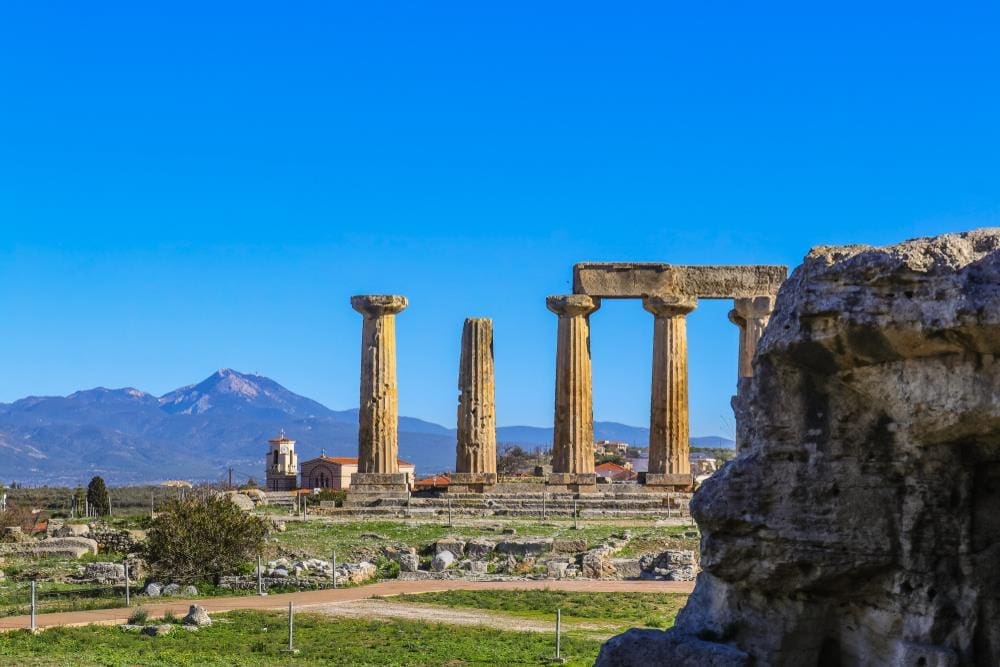
The Temple of Apollo, with its simple but effective Doric style, is one of the most significant ruins, and there are also ruins of Greek and Roman buildings, such as fountains, baths, and public buildings.
The Dominance of Acrocorinth
Corinth had to develop an acropolis, an upper city that still dominates the landscape from an enviable position, during the Byzantine period. It’s Acrocorinth, with its walls clinging to the mountains that tower over the modern, impersonal new city. Acrocorinth is visible to the south of the new city as a massive castle built on an impenetrable ridge. In fact, the location has had great strategic importance, undergoing various periods of dominance throughout the Peloponnese’s history.
Experiencing Acrocorinth
Going up to Acrocorinth is an exhilarating experience; as you get closer, you can feel history beating in your chest, and the profile of the castle almost blends into the Dolomite rocks of the cliff above. Various peoples, including the Byzantines, Venetians, and Ottomans, have passed through here. In reality, there isn’t much to see, but the ruins are charming, and the view you admire is a reward for the discomfort you feel climbing up here along a winding road.
Uncover Corinth’s Culture Through Its Vibrant Festivities
Corinth’s cultural heartbeat is best felt in its vibrant local festivals, giving life to its ancient streets and modern cityscape alike. The city celebrates the Korinthia Festival annually in summer, offering a dazzling array of cultural events, music, dance, and theater performances. This immersive spectacle serves up a tantalizing taste of Greece’s rich tradition and folklore, underpinning the Corinthian spirit that has been shaped by millennia of civilization. From the energetic Syrtaki dances to the melancholic melodies of Rebetiko, the local music scene is a rhythmic journey into Corinth’s soul.
Indulge in Corinth’s Rich Culinary Tradition
From the region’s citrus groves and vineyards to the fresh seafood from the Gulf of Corinth, the gastronomic culture here is a feast for the senses. Don’t miss out on traditional Corinthian dishes like ladopita, a savory olive oil-based pie, or a glass of Nemean wine, heralded from one of the most respected wine-producing areas in Greece. Corinth’s bustling local markets overflow with fresh produce, and its eateries, from quaint tavernas to Michelin-star restaurants, present authentic culinary narratives that echo Corinth’s historical tapestry.
Discover the Captivating Water Sports Opportunities
While the man-made Corinth Canal may be too narrow for large ships, it serves a unique purpose that thrills adrenaline junkies worldwide. The canal’s towering rock faces provide an ideal setting for bungee jumping – an experience not for the faint-hearted but guaranteed to provide the thrill of a lifetime. Likewise, the Gulf of Corinth, with its azure waters and gentle breezes, is a paradise for windsurfing and kitesurfing enthusiasts.
Top 4 Spots to Take Incredible Pictures in Corinth
- The Corinth Canal is one of the most iconic landmarks of Corinth and makes for a striking photograph. The 6.4 km long canal cuts through the narrow Isthmus of Corinth, linking the Gulf of Corinth with the Saronic Gulf. The steep limestone cliffs on either side of the canal create a dramatic contrast against the serene water below. For the most breathtaking shot, try capturing a boat as it passes through the canal, ideally from one of the pedestrian bridges stretching over it.
- In the heart of ancient Corinth, you’ll find the Temple of Apollo, one of the oldest Doric column Greek temples that still stands today. The temple, with its sturdy stone pillars set against a backdrop of the modern city or the clear blue sky, makes for a timeless snapshot of Corinth’s ancient grandeur. Capture a panoramic shot of the temple during the golden hour to give your photo a warm, ethereal quality.
- Acrocorinth, the acropolis of ancient Corinth, is a place where history and natural beauty intertwine. The fortress towers over the modern city, offering a sweeping view of the surrounding countryside and the gulf. Ascend to this elevated vantage point early in the morning to capture the best photos, when the sunrise bathes the landscape in a soft, golden light.
- 4. The Corinth Gulf from the Vrahati Beach. Vrahati Beach is a popular spot in Corinth known for its beautiful pebbly beach and clear, calm waters. With the majestic mountains in the background, this location offers a stunning view of the Corinth Gulf. Capture the beach’s vibrant atmosphere during the day or go for a serene, long-exposure shot of the waterfront at dusk. The colors of the sunset reflecting off the water create an otherworldly aura perfect for photography enthusiasts.

