
Discovering Piemonte: A Journey Through Italy’s Most Underrated Wine and Food Region
Before setting off on this flavorful exploration of one of Italy’s hidden gems, let’s take a moment to appreciate the blend of strategy and chance that can be just as thrilling as travel. For those who enjoy entertainment beyond culinary experiences, monopoly online gambling offers a creative and interactive way to unwind. This real-time live game merges nostalgia and risk, delivering immersive gameplay that pairs well with a quiet evening and a glass of Barbera. It’s an ideal detour for the curious soul who enjoys exploration in many forms.
Overview
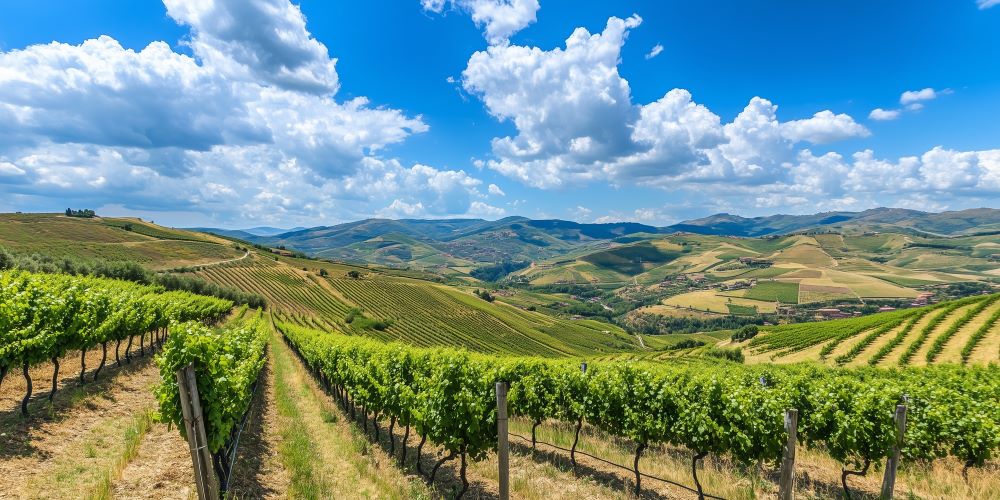
Piemonte, nestled in the northwestern corner of Italy, is often overshadowed by the global fame of Tuscany or the sun-drenched coastlines of Amalfi. Yet for those who truly appreciate artisanal wine, robust culinary traditions, and authentic regional culture, this region offers an unmatched experience. Its landscape, shaped by vine-covered hills and snow-capped Alps, is more than postcard-perfect—it’s a source of inspiration and identity for everything grown, cooked, and bottled here.
What sets Piemonte apart is its grounded elegance. Whether you’re savoring a rich glass of Nebbiolo or enjoying a handmade tajarin pasta drizzled with butter and shaved white truffle, every bite and sip carries the legacy of centuries-old techniques and a deep respect for terroir.
Barolo and Beyond: Piemonte’s Signature Grapes
While Barolo is often dubbed “the king of wines,” Piemonte’s wine tapestry extends far beyond its most regal export. The diversity of grapes and microclimates across the region makes it a playground for oenophiles seeking complexity and character in every bottle.
Nebbiolo: The Power and Grace of Tradition
This noble varietal is best known for producing Barolo and Barbaresco, two of the region’s flagship wines. Nebbiolo thrives in the fog-covered hills of Langhe, developing into a wine with firm tannins, pronounced acidity, and aromatic notes of rose, tar, and wild cherry. These wines are built to age, often requiring a decade or more to reach their full potential.
Other Noteworthy Varietals
Piemonte is not a one-grape region. Some of the standout alternatives include:
- Barbera: More approachable and fruit-forward, often enjoyed young.
- Dolcetto: Soft, juicy, and versatile—ideal with casual Piedmontese fare.
- Arneis: A white grape native to Roero, producing fresh, floral wines.
- Moscato Bianco: Famous for producing the delightfully fizzy Moscato d’Asti.
Each varietal reflects the landscape and climate of its subregion, offering a vivid taste of place.
Culinary Roots: Piedmontese Cuisine at Its Finest
If wine is Piemonte’s heart, then food is surely its soul. The cuisine here blends rustic mountain flavors with refined northern Italian elegance. The result is a menu that can be hearty, decadent, or surprisingly delicate—often within the same meal.
Signature Dishes That Define the Region
- Vitello tonnato: Sliced veal served cold with a creamy tuna and caper sauce
- Tajarin al tartufo: Thin egg pasta tossed with butter and white truffle shavings
- Agnolotti del plin: Tiny stuffed pasta pockets traditionally pinched closed by hand
- Bagna cauda: A warm dip made from garlic, anchovies, and olive oil, served with raw vegetables
Autumn is an especially treasured season, when white truffle festivals fill villages with heady aromas and wine cellars open their doors for harvest celebrations.
Truffle Tourism: Alba’s Aromatic Allure
Every October and November, the town of Alba becomes the epicenter of truffle fever. The International White Truffle Fair attracts gourmands from across the globe, eager to get their hands (and forks) on the prized tartufo bianco d’Alba.
What Makes Alba’s Truffles So Special?
- Grown symbiotically with oak, hazelnut, and poplar trees
- Harvested by trained dogs during the early morning hours
- Known for their intensely earthy aroma and delicate flavor
Local restaurants showcase these treasures in dishes designed to let the truffle shine. A simple plate of scrambled eggs can become unforgettable with a generous shaving of Alba gold.
Hidden Villages and Scenic Drives
Traveling through Piemonte feels like stepping into a series of oil paintings. Rolling vineyards, stone hamlets, and dramatic Alpine backdrops create a setting that invites slow exploration.
Can’t-Miss Stops Off the Beaten Path
- La Morra: A hilltop town offering panoramic views of Barolo country
- Neive: Among Italy’s most beautiful villages, filled with small wine bars and artisanal shops
- Saluzzo: A medieval city with cobbled streets and a rich cultural heritage
- Serralunga d’Alba: Home to an imposing 14th-century castle and top-tier wineries
Renting a car and driving through the winding roads of Langhe and Roero is one of the best ways to experience the quiet beauty and authenticity of the region.
Wine Pairing Experiences and Sustainable Viticulture
Many wineries in Piemonte now offer immersive tasting journeys that go beyond the glass. Vineyard walks, cellar tours, and winemaker-led sessions reveal how environmental consciousness and tradition coexist.
Producers are increasingly adopting organic and biodynamic practices, reflecting a broader trend toward sustainability in both agriculture and hospitality.
What to Look for in a Tasting Experience
- Small, family-run estates for personalized attention
- Side-by-side tastings of different vintages or crus
- Local food pairings to enhance the wine’s expression
Whether you’re sipping Arneis under a pergola or discussing fermentation methods with a third-generation winemaker, these experiences deepen your connection to the land.
Final Thoughts
Piemonte offers more than a culinary escape—it’s an invitation to savor life at a slower, richer pace. The region balances luxury and humility, where five-star meals are made from age-old recipes and world-class wines are poured in modest farmhouses.For readers of Winedharma.com, Piemonte is a destination that speaks to the heart of what food and wine travel should be: meaningful, immersive, and endlessly delicious. From vineyard-covered hills to truffle-scented towns, it’s a place that rewards the curious and enchants the hungry.

