
Why Christmas Island Is One of the Indian Ocean’s Most Fascinating Destinations
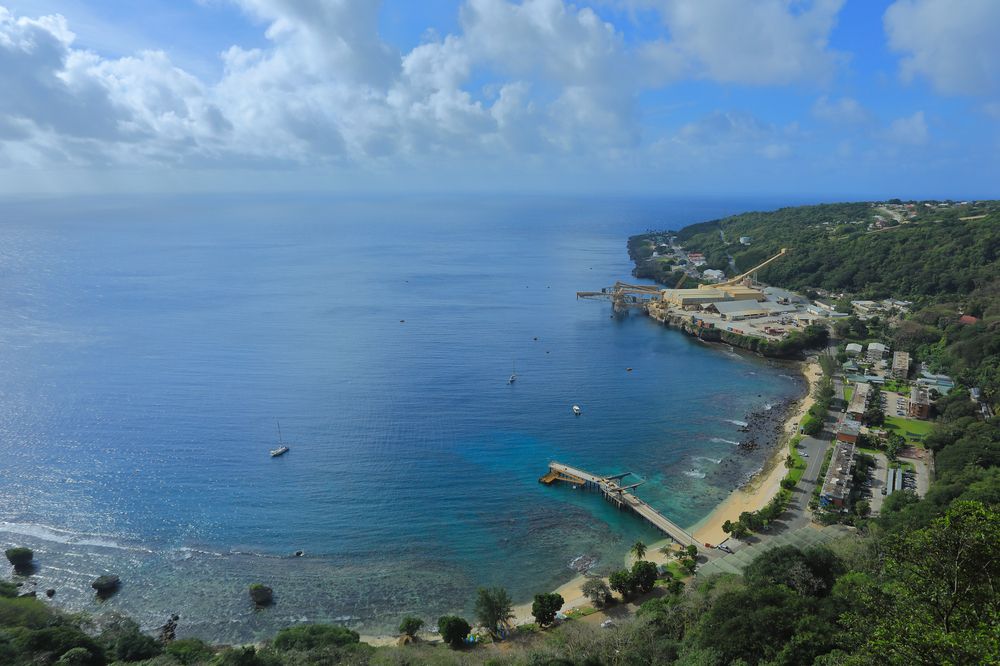
Christmas Island is an Australian territory located in the Indian Ocean, over two thousand kilometers from Perth. Its greater proximity to the Indonesian coast than to Australia has been a bone of contention between the two countries for over fifty years over ownership and control. Surrounded by a stunning coral reef, the island is one of the most popular tourist destinations in this part of Oceania. From picture-perfect beaches to diving, birdwatching, and hiking along island trails, this is truly a tropical paradise worth exploring and enjoying.
History
It’s unclear whether or when it was first inhabited in ancient times, but it is certain that this island was first sighted and documented on Christmas Day (hence its name) in the first half of the 17th century. At the end of the same century, a sort of port began to be established to supply ships bound for the Cocos and Keeling Islands, which served that sole purpose for over 150 years. The first explorations of the island date back to the 19th century; one of these discovered significant phosphate resources, which immediately attracted the attention of major trading companies, which convinced Great Britain to claim them.
In the late 1950s—after becoming the target of Japanese expansionist ambitions during World War II, especially for its natural resources—Home Island came under Australian control. In recent years, the small island has been at the center of the debate regarding Australian immigration: it is here that many Asian refugees initially land, hoping to eventually move to Australia. Recently, decisions have been passed to limit this phenomenon, but the results have been somewhat contradictory.
Geologically, the island is nothing more than the summit of a submerged mountain, the result of the work—over tens of millions of years—of an underwater volcano. The central elevations of Christmas Island do not reach 400 meters and are covered in dense tropical forest.
Climate
Its climate is equatorial, with rainfall year-round and a modest temperature range. However, there is a distinct rainy season and a generally drier one, although not without rain. The rainy season extends from November to June, when rainfall is quite intense due to the shift of the Intertropical Convergence Zone (ITCZ) into these areas. The least rainy months (but still with an average of almost 53 mm/month) are August, September, and October. The highest temperatures are reached during the wet season, generally between March and April, but there is little difference between the 31.5°C (88.5°F) in March and the 29.5°C (85.5°F) in August, the coolest time of year. The average low temperature is around 22°C, so just pack a couple of sweatshirts if you’re afraid of hotel air conditioning or enjoy spending the evenings outdoors between July and September.
National Park and Wildlife
Over 60% of the island’s surface is declared a National Park, frequented by over 100 million red crabs, who have chosen this as their ideal place to lay their eggs each year; the hatching in November is one of the most spectacular events in the world and attracts numerous tourists.
Beaches and Marine Life
These same tourists are also lured by the hidden beaches in small rocky bays or by the endless diving opportunities offered by the deep and spectacular waters; from November to April, it’s common for visitors to swim with the whale sharks that pass through the area.
Most of the more than 1,000 inhabitants of Home Island live in the small capital, Flying Fish Cove, generally known as The Settlement, while other island towns and villages have names like Poon Saan, Kampong, or Silver City.
Nature and Trails
One of the best ways to explore the island is to rent a 4WD and venture out onto the trails to discover all the stunning nature has to offer, from the rainforest teeming with life and native fauna (especially birds) to the most secluded beaches. Among the most famous are Lily Beach in the east of the island, the spectacular white Dolly Beach, and also Ethel Beach, Greta Beach, and the West White Beaches.
The Dales
The Dales, another of the main attractions of this tropical paradise, are a series of springs that flow underground in the heart of the forest in the southwest of the island. Running parallel to each other, these streams have over time formed a series of terraces that create a beautiful waterfall where visitors enjoy bathing in the natural shower.
How to Get There
To reach Christmas Island, you can fly to Perth, Australia, and from there take one of the many connecting flights to the island. Alternatively, you can also choose to stop over in Kuala Lumpur, Malaysia, or Singapore, which have weekly flights to the Australian tourist destination. Other Australian territories in the Indian Ocean, such as the Cocos (Keeling) Islands, are also well connected, but there is no sea transport service.

