
Why Bologna City Center Is Italy’s Most Vibrant Urban Heart—And How to Experience It Like a Local
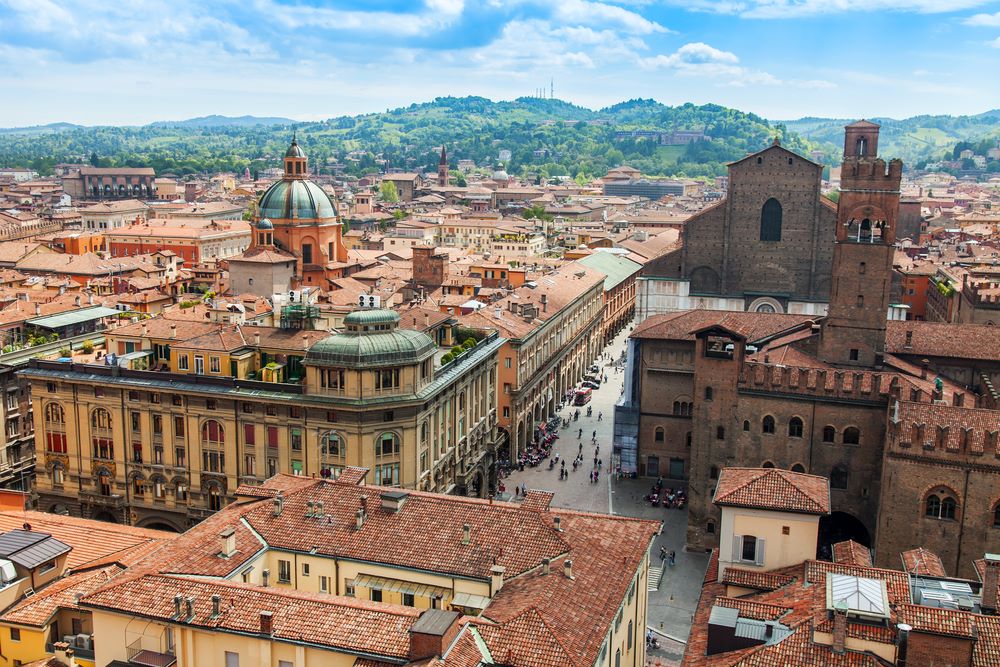
Walking through the center of Bologna is like leafing through a book of history, culture and gastronomy written under kilometers of porticos, among medieval squares, ancient towers and shop windows that smell of tortellini and mortadella. There is no Italian city where the past is so alive in everyday life: the Learned, the Red, the Fat—as Bologna is nicknamed—gives emotions in every season, among frescoes, noisy aperitifs and views that are discovered only by chance, getting lost.
History and Myth
Founded by the Etruscans as Felsina, then Roman, medieval and Renaissance, Bologna has been a crossroads for merchants, pilgrims, students and revolutionaries for centuries. The oldest university in Europe was founded here in 1088, the city was enriched with towers (there were apparently more than 100 in the Middle Ages), stately buildings, kilometre-long porticoes (almost 40 km in the centre alone, a UNESCO World Heritage Site), churches and markets that still mark city life. The people of Bologna tell legends about ghosts in the towers, about magic potions within the walls of the Studium, and pass on a proud identity made of hospitality and rebellion.
What to See
- Piazza Maggiore: the beating heart of the city, a place for meetings, concerts, events and conversation. Here you can see the monumental Basilica of San Petronio, the medieval Palazzo del Podestà, the Renaissance Palazzo dei Banchi, the Gothic Palazzo d’Accursio (now the seat of the Municipality, also worth visiting for its frescoes and the Clock Tower). Sit on the steps of the church to watch the comings and goings: here you can breathe in the spirit of Bologna.
- Basilica of San Petronio: the civic church par excellence, never completed on the façade, but grandiose on the inside with Cassini’s sundial, frescoed chapels and a history rich in intrigue between the Papacy and the Municipality.
- The Two Towers (Torre degli Asinelli and Torre Garisenda): symbol of the city, they stand out in Piazza di Porta Ravegnana. The climb up the Torre degli Asinelli (498 steps!) offers the most iconic view of red roofs and green hills.
- Quadrilatero: the district of taste, a maze of medieval alleys animated by historic shops, stalls, delicatessens and taverns where time seems to stand still among the scents of mortadella, parmesan, tortellini and lambrusco.
- Archiginnasio: ancient university building with the famous library, frescoed courtyard and Anatomical Theatre: here you can breathe in the history of science and Bolognese culture.
- Fountain of Neptune: majestic sixteenth-century statue in the center of the square of the same name, beloved by the people of Bologna (who call it “the Giant”) and always a meeting point for students and events.
- Via dell’Indipendenza: the city’s commercial “street”, perfect for shopping, but also for admiring the more classic porticos.
- Finestrella di Via Piella: a small window on a “secret” canal that offers a Venetian corner to Bologna. A must for those looking for unusual shots.
- Church of Santo Stefano (the Seven Churches): a fascinating complex of religious buildings, among the most enigmatic and spiritual in the city, with cloisters, relics and a thousand-year history.
- MAMbo and Medieval Museum: for those who love art, Bologna offers top-level museums, including contemporary, ancient and international collections.
- Portici di San Luca: from Piazza Maggiore you can set off (even on foot) for the famous climb to the Sanctuary of the Madonna di San Luca: over 3.5 km of porticoes that connect the city to the hills, one of the most iconic itineraries in Bologna.
Neighborhoods and Surroundings
- Jewish Ghetto: between Via dell’Inferno and Via de’ Giudei, picturesque alleys, street art and creative shops.
- University: a lively, multicultural and young area, with bookshops, cafes, markets and historic venues.
- Bologna hills: just leave the center to walk in the parks of Villa Ghigi, San Michele in Bosco, Parco della Montagnola or along the ancient walls (still partly visible).
Cuisine and Where to Eat
Bolognese cuisine is famous throughout the world: tortellini in broth, tagliatelle with ragù, green lasagne, crescentine and mortadella are just some of the dishes to try.
- Trattoria di Via Serra (Via Luigi Serra, 9/b – Tel. 051 6312330): authentic Emilian cuisine, handmade pasta, convivial atmosphere.
- Osteria dell’Orsa (Via Mentana, 1 – Tel. 051 231576): legendary for its traditional dishes, authentic atmosphere and honest prices.
- Da Cesari (Via de’ Carbonesi, 8 – Tel. 051 237710): historic restaurant in the Quadrilatero, excellent wines and family recipes.
- Trattoria Anna Maria (Via delle Belle Arti, 17 – Tel. 051 266894): the temple of fresh puff pastry, loved by Bolognese people and tourists.
- Mercato di Mezzo (Via Clavature, 12): gourmet street food, tastings and stalls for a quick lunch.
Where to Sleep
- Hotel Corona d’Oro (Via Guglielmo Oberdan, 12 – Tel. 051 7457611): charm and history a stone’s throw from the Two Towers.
- Albergo delle Drapperie (Via delle Drapperie, 5 – Tel. 051 222322): in the heart of the Quadrilatero, rooms overlooking the rooftops.
- Grand Hotel Majestic già Baglioni (Via dell’Indipendenza, 8 – Tel. 051 225445): the ultimate in luxury in a period building.
- B&B Chez Moi (Vicolo Bolognetti, 26 – Tel. 349 8780115): intimate atmosphere and strategic location.
Shopping and Markets
In addition to the Quadrilatero, don’t miss the Mercato delle Erbe (Via Ugo Bassi, 25), the historic haberdashery in Via Drapperie, the artisan boutiques in Via San Felice and the vintage shops in Via del Pratello.
Events, Curiosities and Legends
Bologna is the city of seven years: it is said that those who study here stay seven years, that there are seven “churches” of Santo Stefano and seven wonders to discover in the streets of the center. Legend has it that whoever does the “tour of the three arrows” under the portico of Corte Isolani will have a wish granted.
Unmissable events: the Cinema Ritrovato in the summer, the Feast of San Petronio on October 4, the musical evenings in Piazza Verdi and the lively Notte Bianca.
How to Get There and Get Around
- Train: Central Station (Piazza Medaglie d’Oro) is a 10-15 minute walk from the centre; buses and taxis connect every area.
- Bus: TPER lines 11, 13, 27, 30, 32, 33 take you anywhere in the city; central stop in Piazza Maggiore or Via Ugo Bassi.
- Car: the centre is a restricted traffic zone and can be easily explored on foot or by bike; numerous car parks (via Riva Reno, Piazza VIII Agosto, Station).
- Bikes and scooters: bike sharing (Mobike, RideMovi) and widespread electric scooters.
Practical Advice
- Visit the city in the morning hours or at sunset to avoid crowds and enjoy the most suggestive lights.
- Book in advance at historic restaurants, especially on weekends and during fairs.
- Don’t forget to walk through an entire stretch of the portico at least once: those of San Luca are a real feat!

