
Petit Verdot Goes Solo: The Grape That Transforms Blends and Surprises as a Standalone
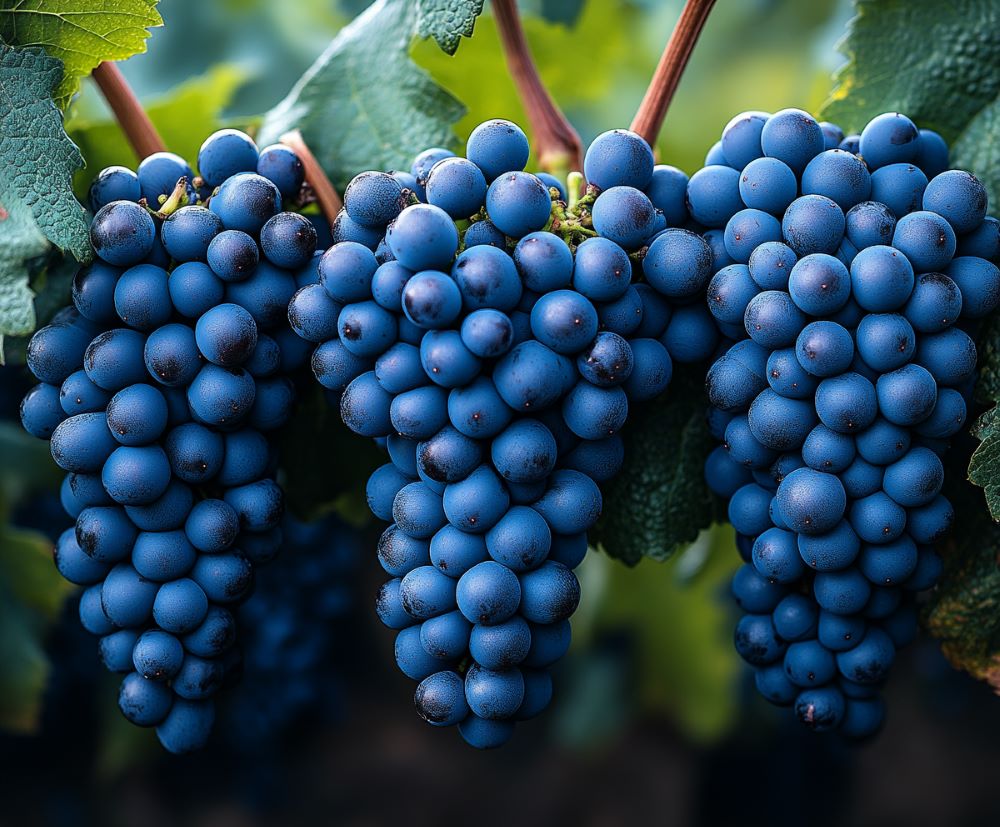
Petit Verdot is the grape variety you don’t expect. Less famous than its older brothers Cabernet Sauvignon and Merlot, yet for decades it has been the secret ingredient that gives personality and structure to the great wines of Bordeaux. Today it is experiencing a second youth: no longer just a supporting actor in French blends, but the protagonist of single-varietal red wines that surprise with their character, intensity and longevity. Those looking for depth, spice and a true outsider’s soul will find their ideal companion here.
The Basics
Name: Petit Verdot
Origin: Bordeaux (mainly Médoc and Graves), France
Type: black grape variety
Vineyard area: approximately 1,200 hectares in France, growing in the New World (Italy, Spain, Australia, California, South America)
Botanical characteristics: small bunch, dark berry, thick skin, late ripening
Wine serving temperature: 16-18°C
Iconic vintage: 2015, 2016, 2018
Typical alcohol content: 13-15% vol.
Average yield: low, often subject to declines due to difficulty in ripening
Color: intense purple-red
Origins and History
The name “Petit Verdot” says it all: “petit” for the small, compact bunches, “verdot” because the grapes in old clones often struggled to ripen, remaining greenish in cold years. Originally from the Médoc, it was once much more widespread in Bordeaux blends, but climate instability has relegated it to marginal roles. Today, thanks to climate change and new viticulture techniques, it is experiencing a rebirth: in many warm areas (Tuscany, Sicily, Maremma, Napa Valley, Australia) it has even become a protagonist, demonstrating that it also has the makings of a soloist.
Ampelographic Characteristics
Petit Verdot is distinguished by its vigorous plant, small, tight bunches, and grapes with very thick, pruinose skin. It sprouts late and ripens very late: for this reason, in Bordeaux, it does not always reach full maturity, but when it does, it gives wines with an intense color, dense tannin and an aromatic charge that ranges from black pepper to blackcurrant, from violet to Mediterranean herbs.
Production and Vinification Method
Traditionally, in Bordeaux, Petit Verdot was used in small percentages to give color, tannin and longevity to the blends. Vinified in purity, it requires careful management: it is often subjected to long macerations and refinements in barriques (new or used) to tame the power of the tannins and “smooth out” the sometimes wild character of the vine. In the New World and in Italy, the aim is instead to express the fruity and spicy component, with softer, more structured wines, but less “hard” than the classic Bordeaux ones.
Styles and Production Areas
The single-varietal Petit Verdot has conquered space in Tuscany (Maremma, Bolgheri), Sicily, Lazio, Puglia, but also Australia, Chile, California and Spain (Jumilla, Ribera del Duero). Here it offers intense wines, with great structure, with aromas of blackberry, black plum, pepper, leather, violet and often a final balsamic note. In the Bordeaux blends there is still the touch that makes the difference in the great Médoc and Graves, especially in warm years.
Organoleptic Characteristics
In the glass, Petit Verdot is very dark, almost impenetrable. On the nose it explodes with aromas of black fruits, black pepper, violet, licorice, laurel, coffee, graphite. On the palate it is powerful, rich, often muscular but with a very present acidity, gritty tannin and a very persistent, spicy, almost “spicy” finish. The best Petit Verdots improve for years, developing complexity and a rare depth.
Food Pairings and Recommended Recipes
Petit Verdot demands dishes that are up to par: perfect with braised beef, wild boar stew, lamb stew with herbs, glazed pork ribs, roast duck with red fruit sauce. Also try with spicy dishes like lamb curry or Moroccan tagine. Excellent pairing with aged cheeses like Castelmagno, mature Sardinian pecorino or blue Stilton. If you want to take your dinner to the next level, prepare a venison stew with aromatic herbs, or even beef fillet with green pepper, or the classic gourmet hamburger with caramelized onion and aged cheddar.
Price and Recommended Producers
The price of a good Petit Verdot varies greatly: in France, blended bottles start at 18-22 euros, in Italy and the New World serious single-varietal wines range between 18 and 40 euros, reserves and top labels exceed 60-80 euros.
Here are 8 reference producers to understand the style and versatility of the grape variety:
- Château Palmer (Bordeaux, Margaux) – Refined blend, Petit Verdot used as an aromatic signature.
- Tenuta Argentiera (Bolgheri, Tuscany) – Powerful and Mediterranean single-varietal, elegant but muscular.
- Feudi del Pisciotto (Sicily) – Pure Petit Verdot among the best in Southern Italy.
- Domaine de Chevalier (Graves) – Bordeaux tradition with Petit Verdot always present in the blends.

