
Fermented, Fizzy, Fantastic: What Makes Cidre de Bretagne a French Treasure
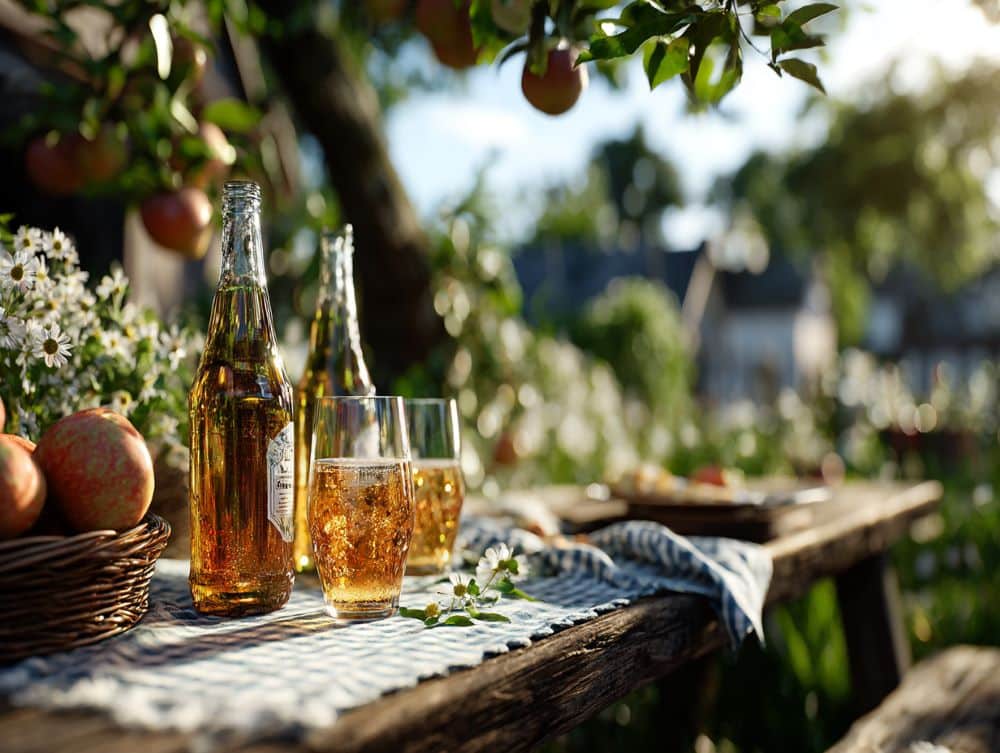
Cidre de Bretagne is one of the most authentic expressions of the Breton territory, a product that combines rusticity and refinement. Sparkling, slightly alcoholic and with an unmistakable fruity and fermented bouquet, it is perfect for those looking for an alternative to wine or beer, to pair with traditional dishes, cheeses or Breton desserts. Available in brut, demi-sec or doux versions, it tells the story of the diversity of the apple trees of north-west France with a charismatic attitude that has few rivals.
Production Area
Cidre de Bretagne is produced in Brittany, a region in north-west France overlooking the Atlantic, particularly in the departments of Finistère, Côtes-d’Armor, Morbihan and Ille-et-Vilaine. The apple orchards are grown on acidic and well-drained soils, beaten by the wind and characterized by a humid oceanic climate that favors the ripening of low-acidity apples.
The Basics
- Name: Cidre de Bretagne PGI
- Region: Brittany, France
- Extent: approximately 1,000 hectares of PGI-certified apple orchards
- Apple varieties: over 30, including Kermerrien, Marie Ménard, Douce Moën, Guillevic
- Alcohol content: 2.5% – 5% vol
- Types: brut, demi-sec, doux
- Production method: natural fermentation in the bottle or in vats, often without chaptalization
How It’s Made
The production of Cidre breton starts with a selection of sweet, sour and bitter apples, gently pressed and left to ferment slowly for several weeks or months. The natural refermentation method gives the typical fine bubbles and aromatic complexity. The cider is not pasteurized, and often has natural deposits. Some producers use the bouché method, with cork closure and refermentation in the bottle, similar to the ancestral method.
Organoleptic Characteristics
Cidre de Bretagne has a color that varies from pale gold to amber. On the nose it offers notes of ripe apple, bread crust, sweet spices and a hint of rustic fermentation. On the palate it is fresh, delicately sparkling, with a balance between sweetness, acidity and light tannin. The brut version is drier and cleaner, while the doux is rounder and sweeter.
Suggested Pairings
Breton cider is perfect with buckwheat galettes, sweet crepes, but also with fish dishes, oysters, smoked salmon and savory pies. It is also excellent with bloomy rind cheeses such as Camembert, Brie de Meaux and Neufchâtel, or with rustic desserts such as apple pie and far breton.
Average Price
The Cidre de Bretagne PGI has an average price between 4 and 8 euros for a 750 ml bottle. The artisanal bouchées or organic versions can exceed 10 euros, especially if they come from small producers such as Fils de Pomme, Domaine Johanna Cécillon or Maison Sassy.
History and Curiosities
The production of cider in Brittany dates back to the Middle Ages and experienced a real boom in the 19th century. Even today it is considered a popular and identifying drink, a symbol of Breton festivals and markets. Cidre is traditionally served in ceramic cups called bolées and accompanied by traditional music and dance. Its rarest variant, cidre de glace, is obtained by cryoconcentration and has a sweetness similar to dessert wine.

