
Why Scotland Should Be Your Next Escape: Whisky, Kilts, and Rugged Beauty Await

Scotland is more than just a few stereotypes about accents, men in kilts, and good whisky. It is a largely untamed country, a fascinating land inhabited since time immemorial by the Celts, who occupy the island of Great Britain. For over three centuries, Scotland has been part of the United Kingdom, along with England, Wales, and Northern Ireland.
However, do not make the mistake of calling a Scot English, as the Scots have a deep-seated cult of independence. The tourist coming from London, as soon as they cross the border into Scottish territory, immediately notices the change. The former kingdom of Mary Stuart opens up with the Lowlands, the southern lowlands. These enchanting green slopes, furrowed by the River Tweed, bring to mind Italy’s Monferrato, though with a harsher and more changeable climate.
Edinburgh: The Historic Capital

The capital city of Edinburgh is the best calling card for Scotland: elegant and rich in history, nestled among hills that amplify its charm. Known as Auld Reekie, or “old chimney stack,” Edinburgh is a magical place to explore. Gothic architecture lines its alleyways, offering the sensation of stepping into an ancient tale.
Edinburgh Castle dominates the city and is a must-visit landmark. Strolling along the Royal Mile unveils major attractions, while notable museums like the National Gallery of Scotland and the Royal Scottish Academy captivate visitors.
Glasgow: Scotland’s Economic Powerhouse

Glasgow, the largest city, is Scotland’s economic engine. A working-class city since the Industrial Revolution, it has grown into a vibrant metropolis with over two million inhabitants in its metropolitan area. Despite its industrial origins, a modern revitalization has imbued Glasgow with new energy.
Landmarks include St. Mungo’s Cathedral, the Riverside Museum, and the Kelvingrove Art Gallery & Museum, all accessible free of charge.
Castles, Abbeys, and the Lowlands
Scotland is famous for its historic abbeys and castles. Notable abbeys include Jedburgh, Kelso, Dryburgh, and Melrose. Among these, Melrose Abbey is particularly remarkable, built in 1136 by Cistercian monks. On the castle front, Hermitage Castle and Culzean Castle are standout attractions.
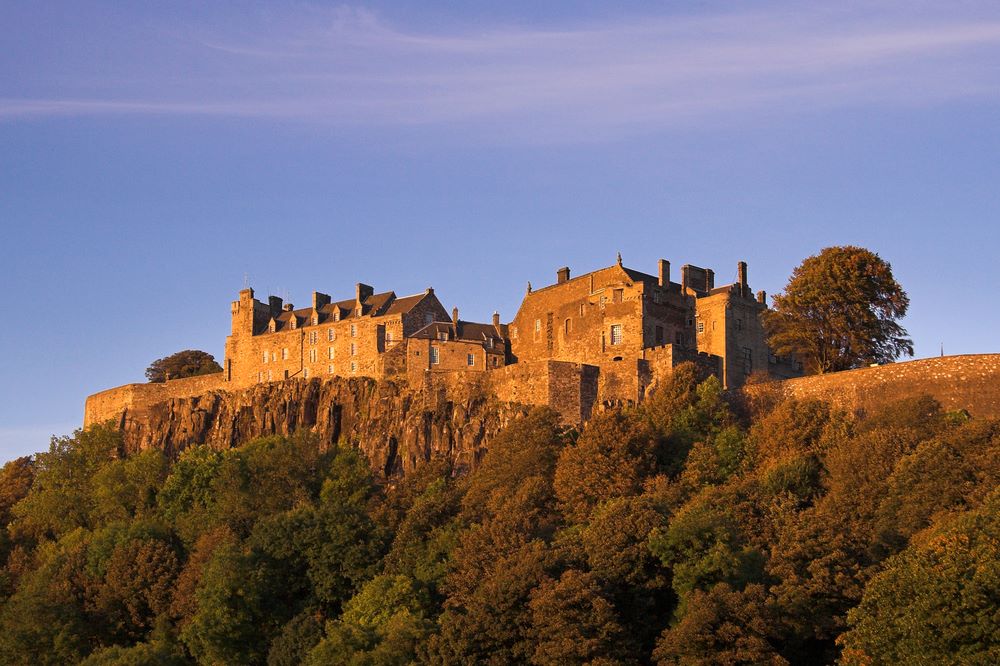
In Stirling, the Stirling Castle strategically overlooks the surrounding region. It is often said, “Whoever controls Stirling Castle controls Scotland.”
The Highlands: Myths and Nature
The Highlands present a completely different Scotland, dominated by myths, forests, moors, and towering mountains. Inverness serves as the ideal base for exploring this untamed land.
Must-sees include Loch Ness, Ben Nevis (Britain’s highest peak), Cairngorms National Park, and the haunting Glencoe. Film fans will recognize these landscapes from films like Braveheart.
Further north, the Isle of Skye and the Hebrides offer breathtaking views of mountains, lakes, and cliffs. The Orkney Islands and Shetland Islands complete Scotland’s mystical allure.
When to Visit

Summer is peak season, offering pleasant temperatures and numerous festivals. Spring and autumn also provide good conditions, but rain is a constant possibility in this enchanting land.

