
Survive and Thrive in Death Valley – The Ultimate Desert Experience!

The Death Valley is an American national park of over 13,000 km² located in Southern California, except for a small portion belonging to the state of Nevada. The valley is contained within the Mojave Desert, the secret soul of California, often forgotten by tourists attracted only by the coast.
The Harsh History of Death Valley
This scorching desert was the main overland gateway to California for much of the 19th century, with trappers, traders, and settlers roaming for miles in every season. Not to mention the great mineral wealth beneath the ground, which attracted tens of thousands of gold seekers throughout much of the second half of the 19th century. Once the gold and silver mines in the area were exhausted, many of the settlements that had sprung up specifically for that purpose were abandoned, causing a general depopulation of the territory.
At the turn of the 20th century, however, a new generation of desert lovers emerged: Jack Mitchell settled in the uncultivated lands of the East Mojave Desert, transforming the Mitchell Caverns into a renowned tourist destination. Walter Edward Scott, known as “Death Valley Scott”, spent much of his life in a castle built in the 1920s by his friend Albert Johnson, adjacent to the hottest and lowest point in the Western Hemisphere, Death Valley.
Natural Wonders of Death Valley
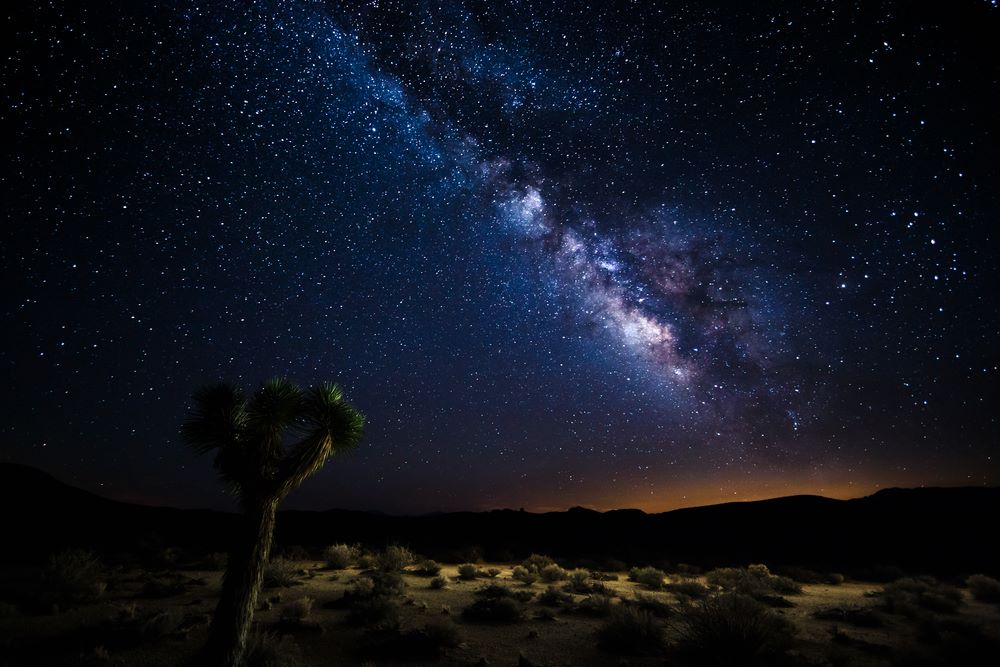
Every year, Death Valley National Park welcomes thousands of visitors from around the world who come to admire its historic sites and dramatic natural landscapes. A region of extreme upheaval, this hollow in the earth’s crust is the lowest point in the Western Hemisphere, and is flanked on either side by towering mountain ranges, some reaching as high as 11,000 feet (3,350 meters) in the western part, producing razor-sharp peaks. Inhospitable year-round, Death Valley boasts pale colors, smooth canyons, scorching salt flats, and delicate rock formations.
Exploring Furnace Creek
As we delve deeper into the valley, we come across Furnace Creek, the main town, located right in the heart of the valley. In addition to offering all the services—grocery stores, lodging, transportation—the center is practically equidistant from almost all the major points of interest in the park, which are relatively close to the town. Once upon a time, the water sources surrounding the town attracted the Shoshone Indians every winter; now the same abundant springs make Furnace Creek an oasis, with numerous buildings shaded by centuries-old palms. The lowest golf course in the world is also located here, 65 meters below sea level.
Must-See Spots in Death Valley

The most scenic sites in the park include:
- Salt Creek: A lake inhabited by the tough pupfish, a fish native to Death Valley that survives in waters almost four times saltier than the sea and at 44 degrees, surrounded by wonderful blue herons.
- Golden Canyon: Five kilometers south of Furnace Creek, characterized by mustard-yellow walls from which the canyon takes its name.
- Devil’s Golf Course: An expanse of salt humps located less than twenty kilometers south of Furnace Creek, formed from the evaporation of numerous lakes that once bathed the entire area.
- Badwater: Inhabited by various varieties of animals, insects, and snails despite the temperature reaching 50 degrees.
- The Dunes: A 36-square-kilometer stretch of dunes where you can sink your feet in the company of small marsupials, lizards, rattlesnakes, and coyotes.
- Dante’s View: A panoramic observation point located 5,400 feet above sea level on the valley’s perimeter hills, named after Dante’s Inferno.
- Zabriskie Point: Made famous by Michelangelo Antonioni’s 1960s film, offering views of the colorful hills of Golden Canyon.
- Artist’s Palette: Multicolored hills composed of consolidated gravel, mineral deposits, and volcanic ash.
Death Valley Museums
For those who really don’t want to miss anything, there are also two museums to visit:
- Borax Museum: Houses mining tools and transport devices used in borax refineries in the mid-1800s, located near the Harmony Borax Works, the old mining plant now reduced to a crumbling ruin.
- Furnace Creek Museum and Visitor Center: Offers interesting artifacts and a slide show every half hour regarding the natural and human history of Death Valley, in addition to being, at least in winter, the starting point for beautiful walks organized by the forest ranger.
Extreme Climate of Death Valley
As already mentioned, the climate is torrid and inhospitable, with average temperatures in July reaching 46 degrees in maximum values and 30 degrees as minimums, advising against being uncovered during the central hours of the day. The winter temperature range is very high, with minimum averages reaching 4 degrees in January. Precipitation is very scarce, absent in summer, with an annual average total of just over 50 mm of rain.

