
Exploring the Complexities of Arak: A Distilled Delicacy of the Middle East
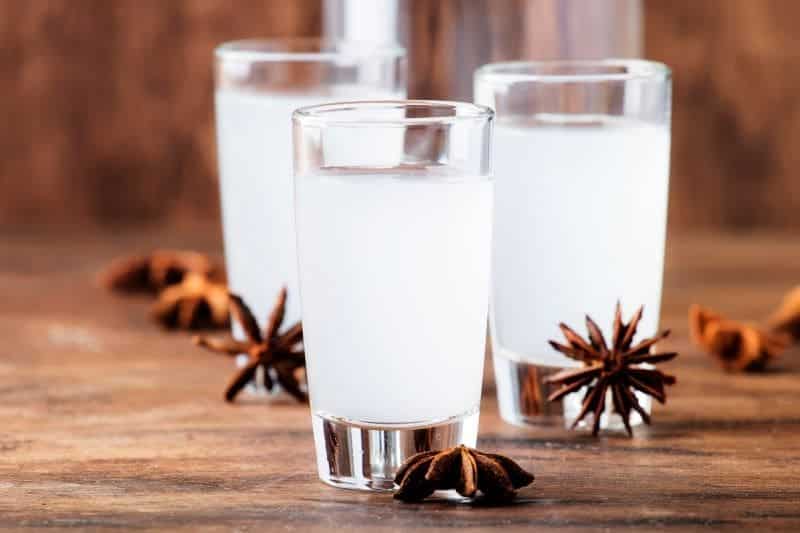
Arak is a Middle Eastern liquor traditionally produced from grapes, dates, or other fruits. Arak derives its name from the Arabic word for “perspiration,” since the grapes are reported to “sweat” during the distillation process.
In Lebanon, 25 brands of arak of varying quality are manufactured. The procedure begins in the vineyards, where grapes are permitted to hang until late September or early October. Once harvested, the grapes are crushed in barrels and allowed for three weeks to ferment with the juice (“El romeli” in Arabic).
Arak is produced by fermenting fruit juice and/or crushed grapes for many days, followed by distillation in a traditional copper still. The distillate is then matured, often in clay jars, for a length of time. Some arak is aged for just a few months, while others are matured for several years, depending on the taste profile desired.
The flavor of anise distinctly characterizes arak, derived from infusing aniseed during its distillation and maturation process. This lends arak its signature licorice nuance, setting it apart from other spirits.
Typically, Arak is taken plain, commonly as an aperitif, but it may also be blended with water and ice to make a murky, milky-white concoction. It is commonly offered with traditional mezze meals in various Middle Eastern nations, including Lebanon, Syria, and Iran.
The creation of Arak differs per nation, with each having its own recipe and variety of beverages. In Lebanon, for instance, the typical grapes are Obaideh and Merwah, which are both indigenous to Lebanon, and there are unique age regulations.
Arak is related to anise-flavored spirits from Greece and Turkey, such as ouzo and raki, but it is different in its own way. Every one of these drinks dances with its own blend of ingredients, telling a tantalizing flavor story.
“Arak” is derived from the Arabic term araq, which originally meant “perspiration” and now means “distilled.” Arak should not be confused with arrak, which is a spirit prepared by fermenting different ingredients such as molasses, grains, and palm wine and is mostly found in the Far East (Malaysia, India, and Sri Lanka) and the Middle East. Instead, Arak is produced by distilling grape juice and adding anise. It should also not be confused with “aragh,” the vernacular term for vodka in Armenia, Iran, Azerbaijan, and Georgia.
How is made?
In Lebanon, 25 brands of arak of varying quality are manufactured. The procedure begins in the vineyards, where grapes are permitted to hang until late September or early October. Once harvested, the grapes are crushed in barrels and allowed for three weeks to ferment with the juice (“El romeli” in Arabic). The barrels are periodically stirred to release the created carbon dioxide.
The mixture is then transported to stills made of steel or copper for the first distillation. Copper stills from the past are exquisitely adorned with geometric designs and are in high demand.
During the second distillation, aniseed is added to the alcohol created during the first distillation to impart the product’s signature taste. The variable alcohol-to-anise ratio is one of the primary parameters that define the flavor and quality of the final product.
Food Pairings
- Mezze Platters: Arak is traditionally sipped alongside mezze, which includes an array of small dishes like hummus, baba ganoush, tabbouleh, and olives.
- Grilled Meats: Lamb kebabs, chicken skewers, and beef kofta are all enhanced by arak’s clean and refreshing palate.
- Seafood: Grilled fish, calamari, and seafood salads with fresh herbs complement the aniseed notes in arak.
- Cheeses: Feta, halloumi, and other brined cheeses offer a salty counterpart to arak’s sweet undertones.
- Stuffed Vegetables: Dishes like dolmas (stuffed grape leaves) or bell peppers filled with rice and herbs are delightful with arak.
- Bread and Sardines: Freshly baked pita or other Middle Eastern breads, especially when dipped in seasoned olive oil, pairs well with the spirit and a ciouple of sardines.
- Pickles & Fermented Foods: Pickled turnips, cucumbers, and olives can cut through the spirit’s strong flavors, creating a balanced experience.
- Spiced Dishes: Foods seasoned with spices like cumin, coriander, and sumac can harmonize with arak’s profile.
- Desserts: While arak is typically enjoyed with savory dishes, it can also pair with desserts that aren’t overly sweet, such as baklava or rice pudding.

