
Where to Eat Chinese in Milan Chinatown: Xiao Hutong for Malatang, Dumplings and Street Food

Xiao Hutong sits at Via Paolo Sarpi 50, right in the middle of Milan’s Chinatown, but it feels smaller and more personal than the address might suggest. The name translates roughly as “little alley”, and the scale fits: a compact dining room, a few outdoor tables and a menu built around malatang, dumplings, noodles, skewers, Chinese-style flatbreads and quick street-food dishes rather than formal restaurant choreography.
This is the kind of place where the meal works best when you lean into variety. Order a bowl of broth, add dumplings, put something grilled or fried in the middle of the table and keep moving. The kitchen also slips in occasional cross-cultural ideas — most famously dumplings filled with cime di rapa — without losing the Chinese backbone of the menu.
Our 2026 meal was fast, generous and deeply satisfying in the most uncomplicated way. The food had heat, texture and enough personality to make the tiny room feel like part of the experience rather than a limitation. Paolo Sarpi has no shortage of Chinese restaurants; Xiao Hutong stands out because it feels closer to a neighbourhood kitchen than a polished concept.
Malatang Is the Dish That Best Defines the Place
The obvious place to start is malatang, the spicy broth built around ingredients chosen by the diner.
Vegetables, tofu, mushrooms, noodles and proteins can all be combined before the bowl is cooked together, creating something halfway between hot pot and a personalised noodle soup. The best version has two things in balance: the numbing character of Sichuan pepper and enough depth in the broth to stop the heat becoming one-dimensional.
This is not a dish to order timidly.
Choose ingredients with different textures and let the broth do the work.
The Dumplings Deserve Their Own Order
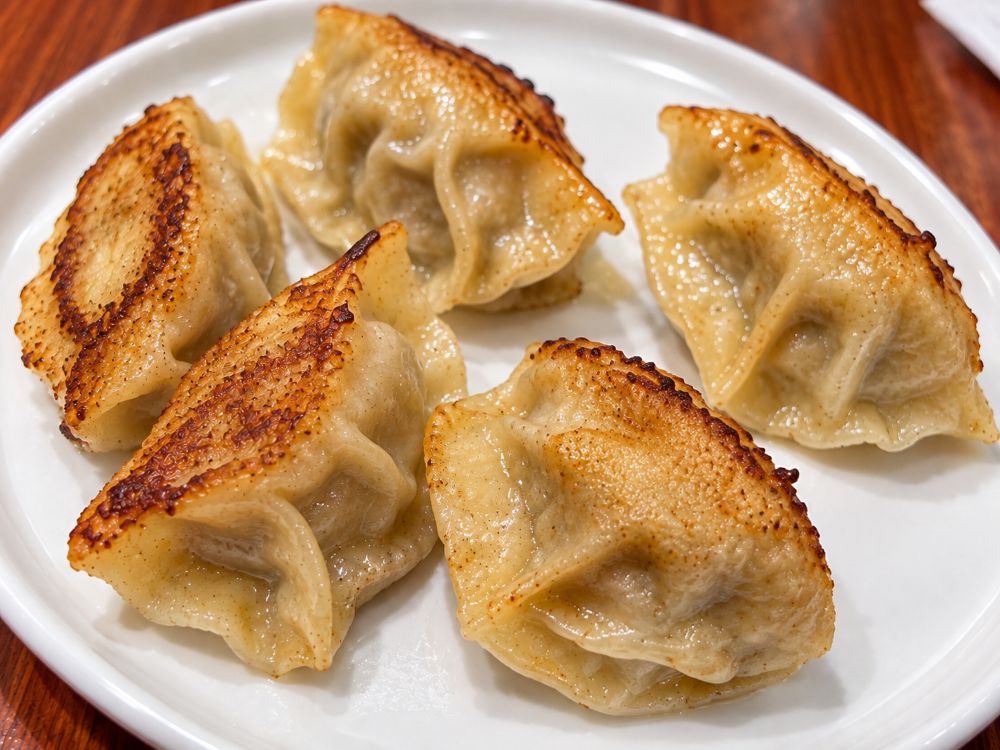
Xiao Hutong’s dumplings are one of the clearest reasons to add more than one plate to the table.
Pork fillings give the familiar savoury route, while the more unusual combinations bring the restaurant’s playful side into focus. The cime di rapa dumplings are the one that immediately breaks expectation: a Chinese format carrying a southern Italian ingredient, but without turning into novelty for novelty’s sake.
The bitterness of the greens works surprisingly well against a richer filling and soft dough.
It is exactly the kind of crossover that makes sense in Milan rather than somewhere pretending to be untouched by its surroundings.
Xiao Long Bao Bring More Delicacy
The xiao long bao take the dumpling section in a different direction.
Thin dough needs to hold broth and filling without becoming rubbery, while the soup inside should stay savoury rather than greasy. These are a better order early in the meal, before chilli oil and stronger grilled flavours begin dominating the palate.
They also reward a slower pace.
Pick one up carefully, bite a small opening, let the steam escape and drink the broth before eating the rest.
The Chinese Flatbread Is One of the More Distinctive Orders
The house Chinese-style flatbread, sometimes described simply as the “piada,” deserves more attention than the name might suggest.
It sits somewhere between snack and full meal, with a crisped exterior and a filling substantial enough to make it one of the best choices for lunch. The appeal is partly textural: warm bread, savoury filling and enough fat or sauce to keep the centre moist.
In a street full of noodles and dumplings, this is the item that gives Xiao Hutong a slightly different rhythm.
Skewers Bring Smoke and Spice
The grilled skewers, particularly lamb, are another strong move.
Lamb suits this style of cooking because fat carries cumin, chilli and char exceptionally well. The surface should be smoky and slightly crisp, while the meat stays juicy enough to avoid becoming chewy.
These are the dishes to put in the middle of the table rather than treat as a main course.
One plate changes the meal.
Several can take it over.
Cold Chicken Adds a Different Kind of Heat
The cold chicken is one of the more interesting contrasts on the menu.
Instead of relying on temperature for intensity, the dish uses chilli oil, aromatics and seasoning to create a cooler but still assertive profile. That makes it especially effective beside hot broth or grilled skewers.
It also changes the pace of the meal without stepping outside the same flavour family.
Rice and Soy Noodles Keep Things More Familiar
The menu also includes rice noodles, soy noodles and other stir-fried noodle dishes, giving Xiao Hutong a more straightforward side.
These are not necessarily the plates we would prioritise over malatang or dumplings, but they make sense for mixed groups and anyone who wants something less spicy or more familiar.
The strongest versions keep the noodles springy and the sauce controlled rather than oily.
Fried Dishes Work Best as Contrast
Spring rolls, fried dumplings and other crisp plates appear across the menu, but the restaurant is more interesting when frying stays in a supporting role.
A small fried dish between broth and dumplings brings texture without making the entire meal heavy.
That is the recurring lesson here: Xiao Hutong rewards contrast.
Hot and cold, broth and grill, dumpling and noodle all work better together than in isolation.
Beer Makes More Sense Than a Formal Wine Pairing
This is one of those meals where beer often beats wine.
Cold lager handles chilli, fried food, lamb fat and Sichuan pepper with minimal interference, while tea works naturally with dumplings and broth.
A structured wine would struggle once the table starts moving between malatang, skewers and spicy sauces.
Keep the drink simple and let the food do the talking.
The Tiny Room Is Part of the Experience
Xiao Hutong is genuinely small.
That gives the restaurant a completely different energy from the larger Chinatown dining rooms around Via Sarpi. The kitchen feels close, tables turn quickly and the outdoor seating keeps the whole thing almost street-food adjacent.
During our 2026 visit, that intimacy made the meal more enjoyable rather than less. There was no attempt to manufacture atmosphere; it came naturally from the closeness of the room, the speed of service and food arriving in quick succession.
The place feels lived in.
That matters.
Service, Atmosphere and Value
Xiao Hutong is open Tuesday through Sunday, generally from late morning through the evening, with Monday closed.
The typical spend sits around €10–€20 per person, which fits the style of the restaurant: several small dishes, one larger bowl or noodle plate and a drink can build a complete meal without turning dinner into a major expense.
The best way to eat here is not to chase the whole menu. One malatang, one dumpling order, one grilled or fried plate and something cold or fresh on the side are enough to understand what Xiao Hutong does well.
Useful Information
- Address: Via Paolo Sarpi 50, 20154 Milan
- Area: Chinatown / Paolo Sarpi
- Cuisine: Chinese
- Style: Small informal restaurant and street-food-oriented dining
- Signature dishes: Malatang, dumplings, xiao long bao, Chinese flatbread, noodles and grilled skewers
- Vegetarian options: Available
- Outdoor seating: Available
- Takeaway: Available
- Delivery: Available
- Typical spend: Around €10–€20 per person
- Closed: Monday
- Telephone: +39 377 836 4486
- Best for: Malatang, dumplings, quick lunches and casual Chinese food in Milan’s Chinatown
Our Rating of Xiao Hutong
Food: 9/10
The menu has a clear identity and rewards mixing broth, dumplings and grilled dishes rather than ordering one-dimensional comfort food.
Malatang: 9.3/10
The dish that best explains the restaurant’s personality and the strongest reason to come.
Dumplings: 9.2/10
Traditional fillings sit comfortably beside more playful ideas such as cime di rapa.
Noodles: 8.8/10
Solid and satisfying, though less distinctive than the broth and dumpling sections.
Grill and Skewers: 9/10
Lamb and spice bring exactly the kind of smoky contrast the table needs.
Creativity: 9.1/10
Italian ingredients appear occasionally without diluting the Chinese core.
Service: 8.9/10
Quick, informal and suited to the compact room.
Atmosphere: 9.1/10
Tiny, direct and full of Chinatown energy without trying to manufacture it.
Value for Money: 9.5/10
One of the restaurant’s strongest cards, especially given the breadth available in the €10–€20 range.
Overall Rating: 9.1/10

