
Il Tagliapasta Grosseto Review: Handmade Pici, Wild Boar and the Flavours of the Maremma

Il Tagliapasta, at Via Renato Fucini 12 in Grosseto, is built around a promise that sounds almost embarrassingly simple: make the pasta in-house, cook Tuscany without unnecessary decoration and leave enough room on the menu for both meat and fish.
That simplicity is increasingly valuable. Grosseto is the gateway to the Maremma, a territory where wild boar, Chianina beef, duck ragù, pecorino, game and thick handmade pasta make more sense than fashionable sauces imported from somewhere else. Il Tagliapasta understands that vocabulary, but does not imprison itself inside a historical reenactment: seafood and lighter seasonal dishes sit naturally beside the more robust Tuscan plates.
Our 2026 meal left us unusually satisfied because nothing seemed desperate to impress us. The pasta had substance, sauces tasted cooked rather than assembled, and the room maintained the relaxed rhythm of a trattoria without slipping into carelessness. Some restaurants make you remember the plating; here we remembered the pleasure of eating, which is a considerably better compliment.
Start with Chianina, Liver or Something from the Vegetable Garden
A Chianina carpaccio is a logical opening in Grosseto. Good beef this delicate needs little more than olive oil, salt and acidity, because excessive garnish would simply erase the meat.
The opposite route is Tuscan crostini with chicken liver, darker and more savoury, built around the slightly bitter mineral depth that makes this traditional spread so addictive on toasted bread.
Vegetable flans with pecorino fondue offer a softer alternative. This is where pecorino earns its place: not as a shower of grated cheese over everything, but as a salty counterpoint to sweeter seasonal vegetables.
The menu changes enough that choosing what looks most seasonal is generally more interesting than arriving with a rigid order already planned.
Pici Are Where the Restaurant’s Name Starts Making Sense
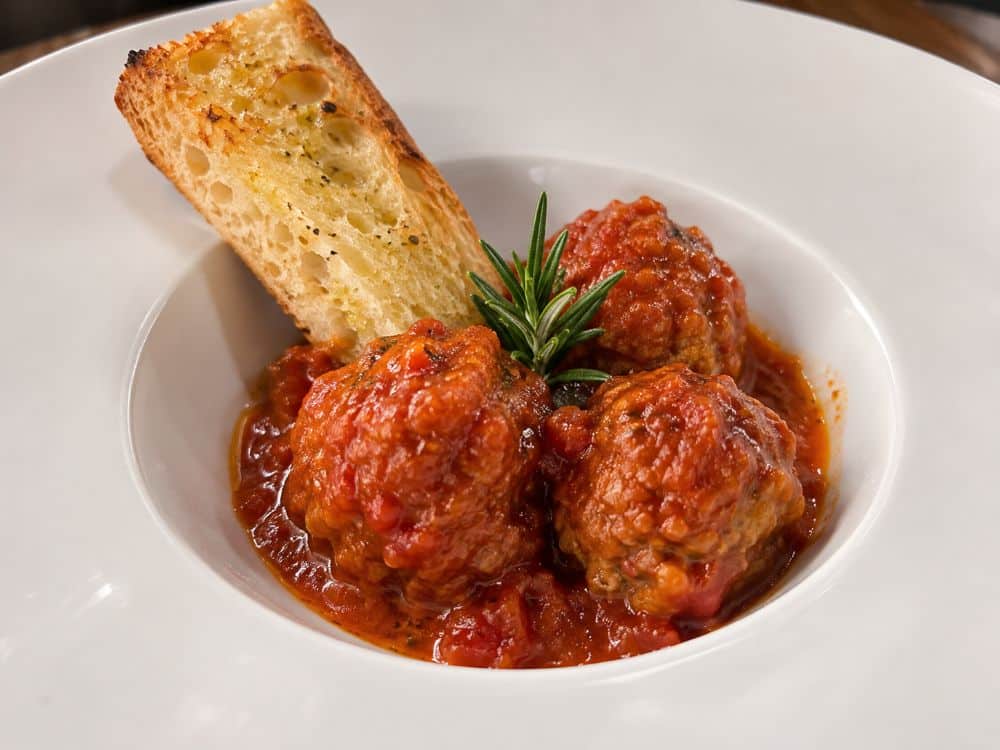
A place called Il Tagliapasta inevitably raises expectations around fresh pasta.
The thick, hand-rolled character of pici suits the restaurant particularly well. This is not pasta that disappears politely beneath a sauce; it has chew, density and enough personality to cope with ragù, sausage, fish or chilli.
One recurring combination pairs pici with duck ragù, where the meat brings a darker, slightly sweeter character than conventional beef sauce. Duck needs slow cooking and enough aromatic restraint to preserve its identity rather than simply becoming generic minced meat.
It is exactly the sort of first course we want in the Maremma: substantial without becoming clumsy.
Tortelli Maremmani Are the Regional Test
If pici represent Tuscan rusticity, tortelli maremmani go even closer to home.
These large filled pasta parcels traditionally revolve around ricotta and greens, often finished with ragù or a simpler butter-and-sage treatment. Their size is part of their charm: this is filled pasta without miniature fine-dining manners.
The important balance is between pasta, filling and sauce. Too much ragù turns the tortello into a vehicle; too little seasoning leaves ricotta and greens flat.
At Il Tagliapasta, this is the sort of dish that explains the restaurant far better than a generic carbonara ever could.
Wild Boar Belongs on This Table
Grosseto without cinghiale would feel incomplete.
Wild boar has a deeper, leaner and more feral flavour than farmed pork, making it particularly suited to long cooking and wide or thick pasta. Gnocchi or fresh pasta with wild-boar ragù bring together two forms of comfort: soft starch and a sauce with genuine savoury weight.
The trick is not to oversweeten the ragù or drown it in tomato.
Game needs space.
This is food for a cool Maremman evening rather than a delicate summer lunch, but when the weather cooperates it is difficult to argue against it.
Pici with Monkfish Show the Other Side of Grosseto
The Maremma is not only cattle, game and inland cooking.
One of the more intriguing combinations associated with Il Tagliapasta is pici with monkfish, sun-dried tomatoes and saffron. Thick Tuscan pasta and seafood can easily feel mismatched, but monkfish has enough firmness to survive beside pici.
Sun-dried tomato supplies concentration and acidity; saffron adds aroma rather than weight. The result connects inland pasta tradition with the coast rather than forcing the menu to choose one identity.
For us, this is a much more interesting seafood pasta than another anonymous spaghetti alle vongole.
Baccalà and Chickpeas Understand Tuscan Economy
Baccalà mantecato with chickpea cream is another combination with strong regional logic.
Salt cod carries intensity, while chickpeas bring sweetness, earthiness and a soft texture capable of absorbing it. Served with toasted Tuscan bread, the contrast becomes even more convincing.
It is a dish born from ingredients that once belonged to economical cooking rather than luxury.
That history still matters because the flavours make sense together, not because nostalgia tells us they should.
Peposo Is Exactly the Kind of Second Course We Want Here
When available, peposo is one of the dishes that fits Il Tagliapasta most naturally.
The Florentine stew traditionally relies on beef, red wine, garlic and an assertive quantity of black pepper, then lets time do most of the important work. The meat should become yielding without losing all texture, while the sauce reduces into something dark enough to demand bread.
There is no need for purée architecture or decorative herbs.
Peposo should look like a braise and taste like several hours of patience.
After fresh pasta, sharing one between two people is usually the more intelligent decision.
Chianina Makes More Sense Grilled Than Decorated
The meat side naturally extends towards Chianina beef, one of Tuscany’s defining cattle breeds.
A grilled cut needs heat, seasoning and very little else. The pleasure comes from the exterior crust, the juicy centre and the mineral quality of the beef.
This is where elaborate sauces become counterproductive.
If the pasta section shows the kitchen’s hands, grilled Chianina tests its restraint.
Seafood Is Not an Appendix
Il Tagliapasta also keeps a genuine seafood side rather than a token fish section attached to a Tuscan meat menu.
Shellfish, squid, cod and seasonal catches allow the kitchen to move towards the coast, while fresh pasta provides the obvious bridge between the two halves of the menu.
That flexibility makes the restaurant particularly effective for mixed tables. One person can eat cinghiale and beef while another stays entirely with fish, without either feeling they chose the secondary menu.
Wine Pairings
Tortelli maremmani with ragù: Le Pupille Morellino di Scansano — bright Sangiovese fruit and freshness suit ricotta, greens and meat sauce.
Wild-boar ragù: Rocca di Frassinello Poggio alla Guardia — darker fruit and Mediterranean herbs have enough depth for game.
Pici with monkfish and saffron: Bruni Plinio Vermentino Maremma Toscana — citrus, herbs and saline freshness keep the seafood side lively.
Dessert Still Feels Homemade
Desserts are prepared in-house, and that is exactly how this meal should end.
Tiramisù makes sense when dinner has leaned towards meat and ragù, because coffee bitterness cuts through the accumulated richness. Cheesecake variations, often paired with nuts, honey or fruit preserves, take a more contemporary route without abandoning the trattoria format.
The better choice depends less on spectacle than appetite.
After pici and peposo, sharing becomes a serious option.
The Room Is More Trattoria Than Stage Set
Il Tagliapasta does not need theatrical Tuscany.
The room is intimate, traditional in mood and focused on tables rather than visual gimmicks. That matches the food: handmade pasta and slow-cooked sauces would look slightly ridiculous surrounded by excessive restaurant design.
Its location also puts it within easy reach of Grosseto’s historic centre and old walls without forcing dinner into the most obviously tourist-facing part of town.
The atmosphere during our visit was calm enough to let the meal unfold properly. Nothing hurried us through the pasta, and nothing turned service into a performance. That normality became part of the pleasure.
Service, Atmosphere and Value
Il Tagliapasta serves lunch and dinner, generally from 12:30 to 14:30 and 20:00 to 22:00.
The restaurant’s natural price territory is that of a proper mid-range trattoria rather than destination fine dining. That feels appropriate for a menu centred on handmade pasta, regional ingredients and dishes designed to satisfy rather than astonish.
The real value is culinary rather than numerical. You can come here for pici and a glass of Morellino, or build a longer Maremman meal around crostini, filled pasta, game and dessert. Neither approach feels like the wrong way to use the restaurant.
Useful Information
- Address: Via Renato Fucini 12, 58100 Grosseto, Tuscany
- Cuisine: Tuscan, Maremman and Mediterranean
- Speciality: Fresh homemade pasta
- Menu: Both meat and seafood dishes
- Dishes to look for: Pici, tortelli maremmani, duck ragù, wild boar, Chianina beef and baccalà
- Desserts: Made in-house
- Lunch: Around 12:30–14:30
- Dinner: Around 20:00–22:00
- Reservations: Available
- Telephone: +39 392 654 4754
- Wheelchair access: Available
- Parking: Street parking available nearby
- Best for: Handmade pasta, Tuscan comfort food and a relaxed meal in Grosseto
Our Rating of Il Tagliapasta Grosseto
Food: 9.1/10
The cooking succeeds because it understands when Tuscan ingredients need technique and when they simply need leaving alone.
Fresh Pasta: 9.4/10
Pici and Maremman tortelli give the restaurant its clearest identity.
Traditional Tuscan Cooking: 9.2/10
Game, Chianina, liver and slow braises make the menu feel genuinely connected to the Maremma.
Seafood: 8.9/10
More than a secondary option, particularly when paired with fresh pasta.
Meat: 9.1/10
Peposo and Chianina suit the restaurant’s robust, uncomplicated style.
Desserts: 8.8/10
Homemade and reassuringly straightforward after a substantial meal.
Wine: 8.9/10
Morellino di Scansano and other Tuscan bottles are the obvious route through the strongest dishes.
Service: 9/10
Relaxed, attentive and appropriately informal for the room.
Atmosphere: 8.9/10
Intimate and unfussy; the restaurant lets the food provide the personality.
Value for Money: 9.1/10
A proper trattoria proposition built around fresh pasta and substantive regional cooking.
Overall Rating: 9.1/10

