Directions

The Daisy Cutter Martini is a modern cocktail that plays on the double meaning of its name. On the one hand, “Daisy Cutter” is an English cricket term for a low ball; on the other, it is the nickname given to a powerful aerial bomb. Two opposite images – delicacy and impact – that well represent the essence of the drink: floral, velvety, but with personality and a punchy finish.
The recipe was born as a variation of the Martini in a contemporary and spring key. It is not codified by any official cocktail book, but it established itself in mixology bars between 2015 and 2020, in the midst of the St-Germain era. It harks back to the school of botanical modern martinis: neutral alcohol + herbaceous and floral notes + a spicy or bitter touch.
The Basics
-
Name: Daisy Cutter Martini
-
Type: cocktail short drink, pre dinner
-
Style: floral, herbaceous, aromatic
-
Alcohol content: approximately 22–24% vol.
-
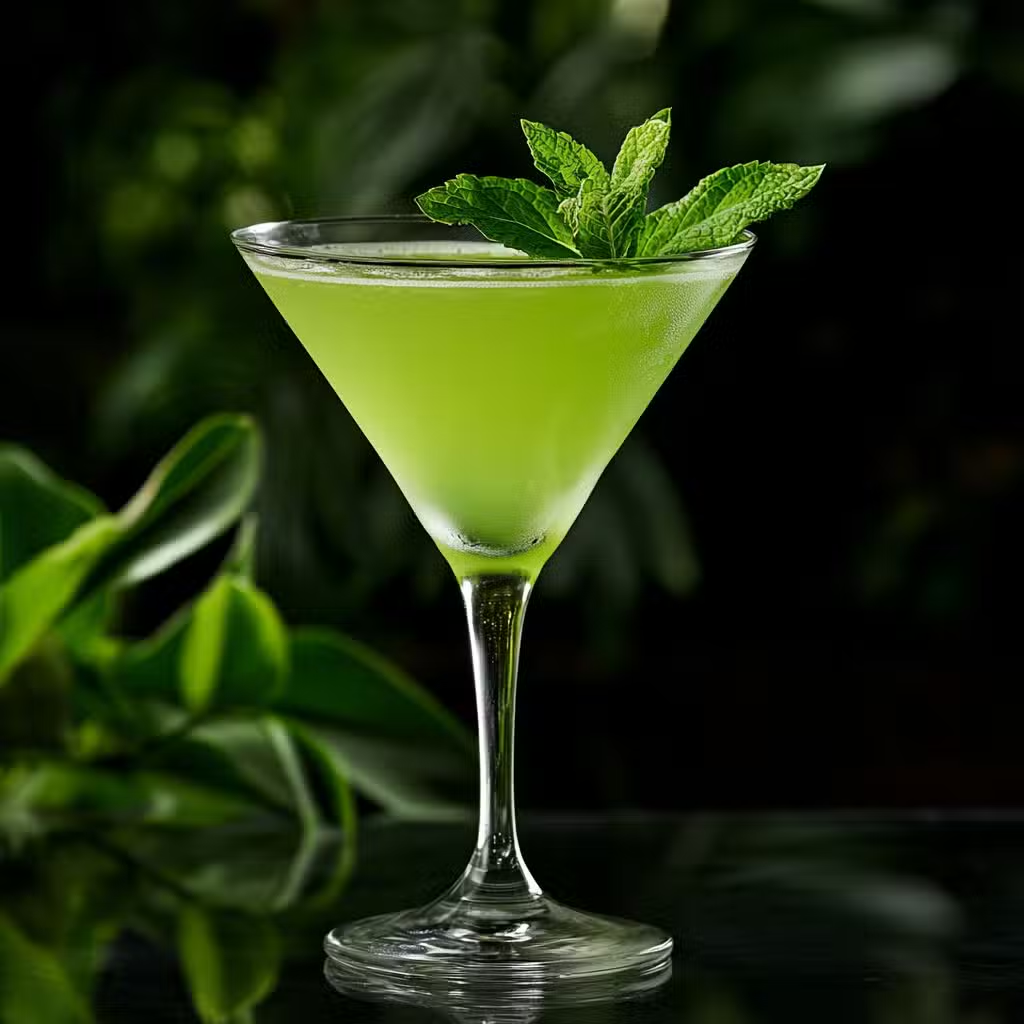
Glass: Martini glass
-
Serving temperature: chilled (0–2°C)
Recipe
-
45 ml Vodka (Ketel One or Belvedere for neutrality)
-
30 ml White Vermouth
-
30 ml Elderflower liqueur (St-Germain)
-
8–10 ml Yellow Chartreuse
-
3 fresh mint leaves, crushed
How to
Place the mint in a shaker and gently crush it. Add the remaining ingredients, plenty of ice, shake vigorously for 15–20 seconds. Strain into a chilled Martini glass. Garnish with a fresh mint leaf or lemon zest.
Pairings
With its elegant, floral structure, the Daisy Cutter Martini pairs perfectly with plant-based appetizers, such as an avocado and lime tartare, or a crostini with burrata and grated lemon zest. The elderflower enhances fresh, creamy preparations, while the Chartreuse cleanses the palate.
For cheeses, it is ideal with a fresh goat cheese, such as Sainte-Maure de Touraine, served with acacia honey and seed crackers. A delicate Blu di Bufala also works well, enhancing the floral notes without overwhelming them.